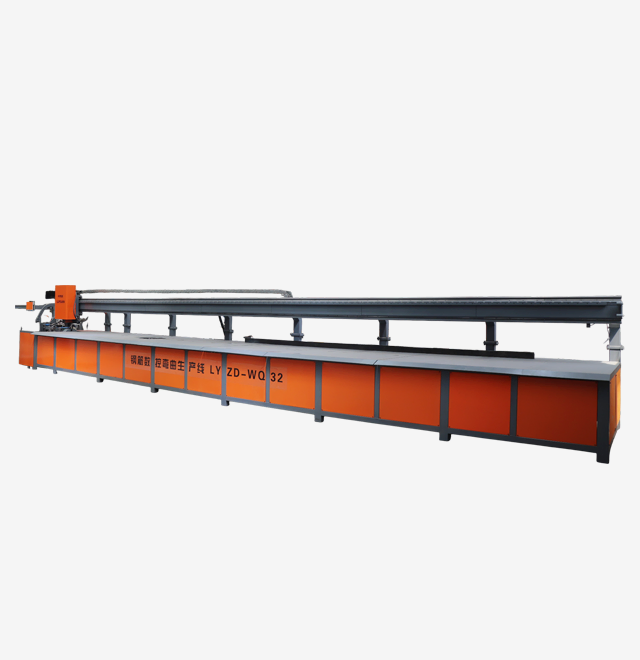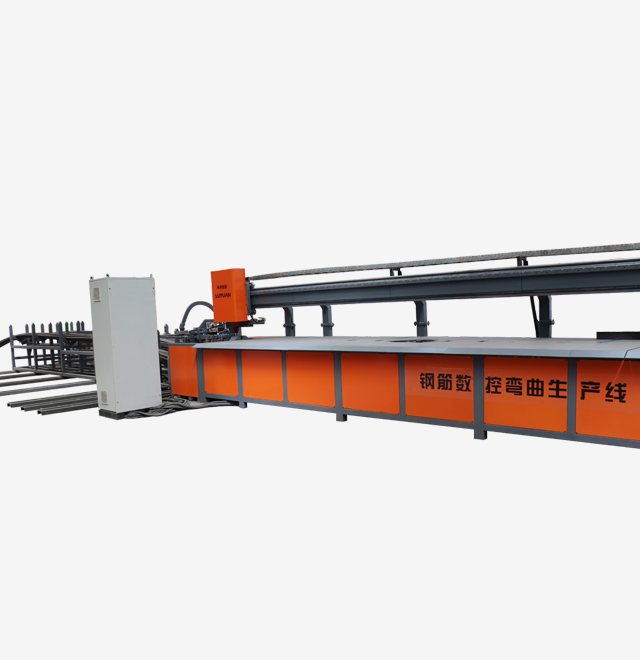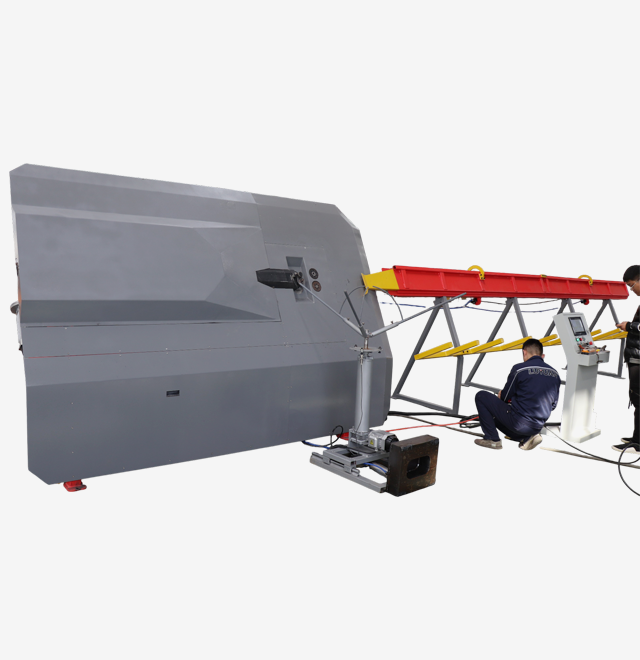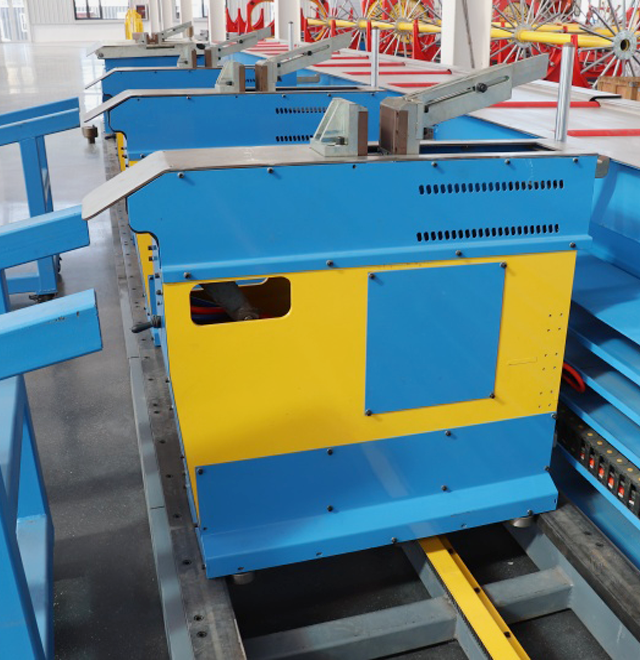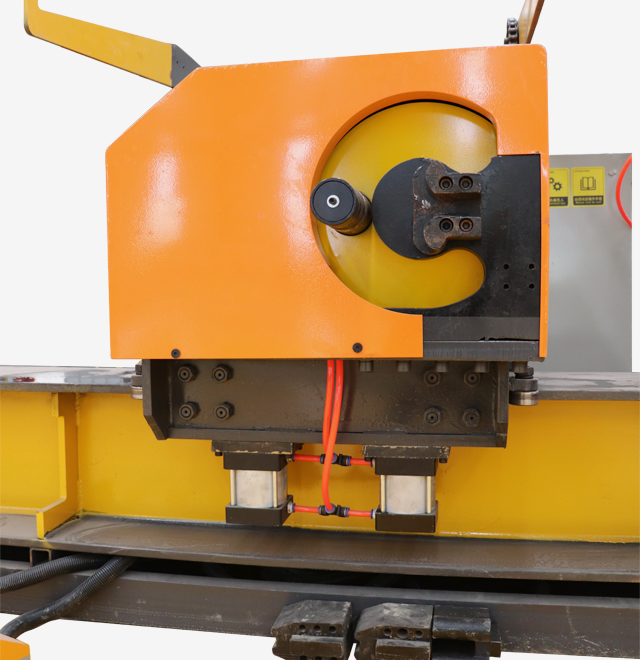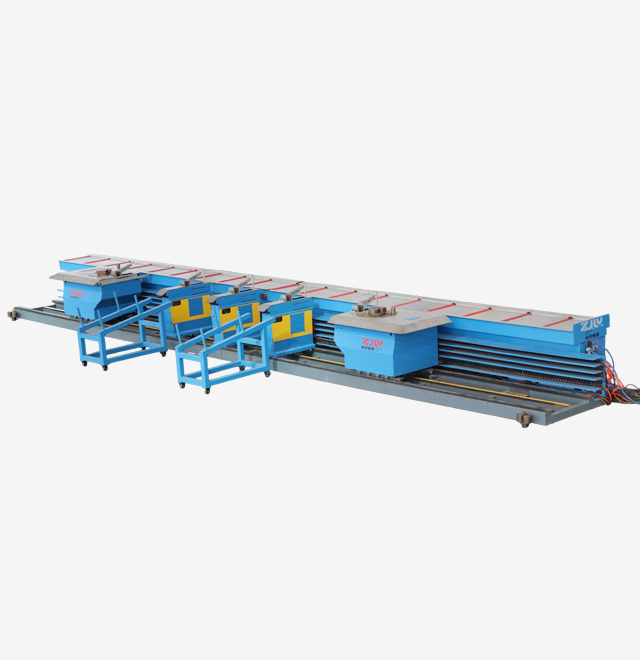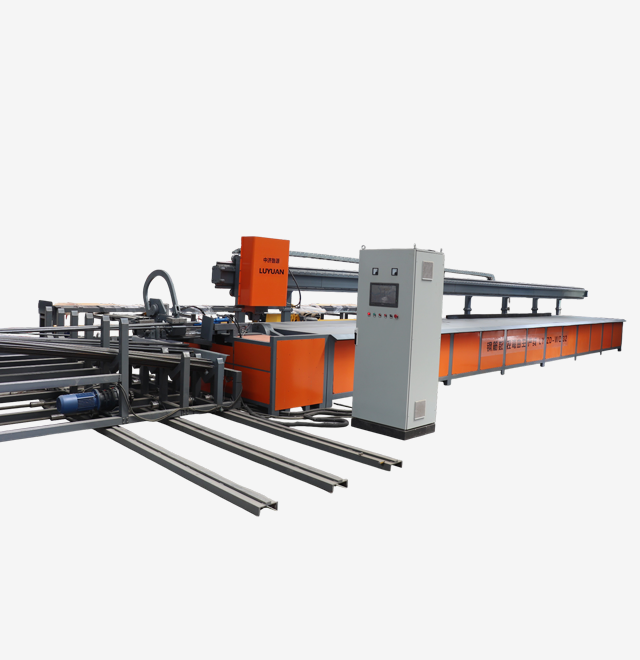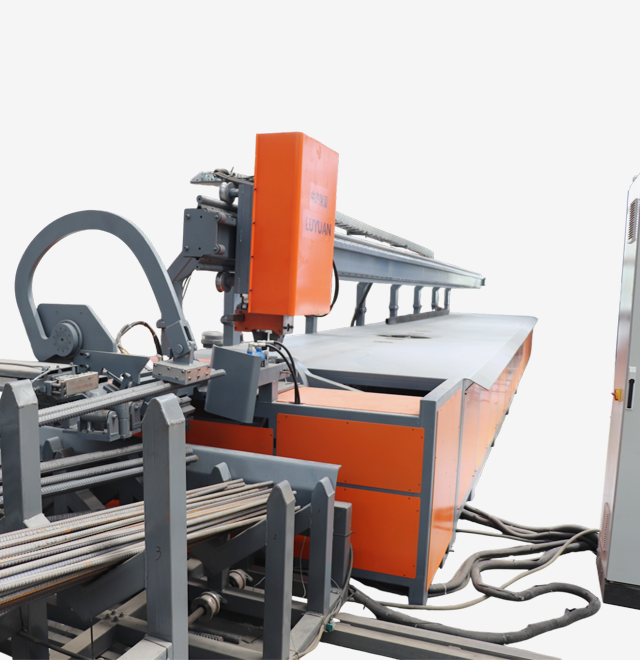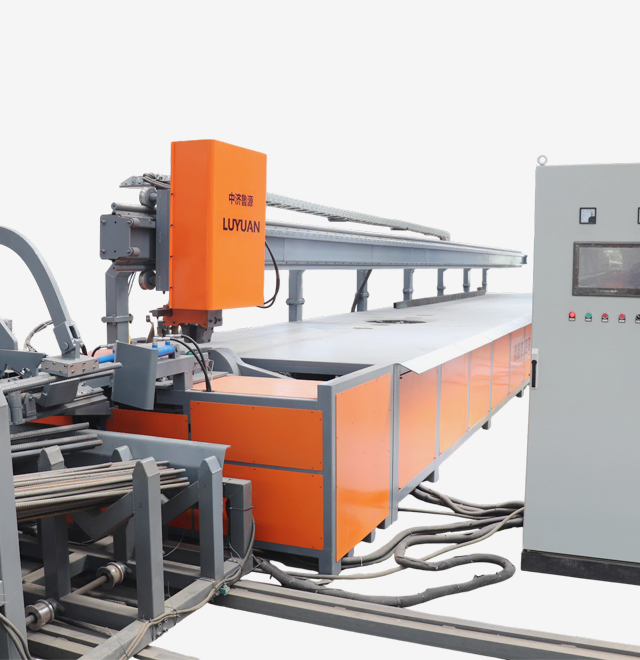
construction bar bending machine
Operation Mode: Servo-controlled fully automatic system
Bending Mode: Double-sided synchronized bending technology
Rebar Diameter Range: φ10–32 mm
Bending Angle Range: 0–180°
Bending Length Range: 0.5–12 m
Power Supply: 380V / 50Hz / 3-phase configuration
Control System: CNC operating system with touch panel
Production Efficiency: 120–180 pcs/hour
Main Materials: High-strength steel structural frame
Application: Structural steel reinforcement bending and fabrication
Product Description
CNC Construction Bar Bending Machine – High-Precision Automated Rebar Processing Solution
When modern infrastructure demands precision, speed, and reliability, the construction bar bending machine from Shandong Zhongji Luyuan Machinery delivers enterprise-grade performance. Established in 2016 with a registered capital of RMB 50 million, our company specializes in intelligent CNC rebar processing equipment trusted by China Railway, CRCC, and CSCEC across nearly 100 countries.
Our CNC Programmed Rebar Shaping Center highlights servo-controlled double-sided synchronized twisting innovation, preparing rebar distances across from φ10–32 mm at generation rates of 120–180 pieces per hour. With bowing points from 0–180°, preparing lengths up to 12 meters, and point precision inside ±0.5°, this machine changes your steel support workflow. The 27.7kW add up to control framework conveys steady 24-hour persistent operation, whereas the PLC touch screen control empowers one-operator efficiency—replacing 5–8 manual specialists and diminishing fabric misfortune by over 10%.
Why Choose Our Construction Bar Bending Machine
Your rebar handling challenges require more than essential hardware. You require innovation that adjusts to complex venture requests whereas keeping up auxiliary integrity.
Our double-head synchronous bowing framework completes one-step shaping with uncommon dimensional consistency. The vertical twisting plan preserves important workspace on congested work locales. Whether you're manufacturing stirrups for high-rise establishments or custom-shaped fortification for bridge foundation, the machine handles right points, snares, and complex geometries with precision.
The brilliantly control framework stores bowing parameters for moment review. Switch between details without manual recalibration. Unused administrators ace the touch board interface inside one hour, minimizing preparing downtime and quickening venture mobilization.
Heavy-duty development guarantees unwavering quality beneath requesting conditions. The high-strength steel auxiliary outline stands up to torsion amid amplified operation cycles. Servo drive innovation keeps up steady execution whether preparing standard distorted bars or high-strength Review 60 steel up to φ50mm diameter.
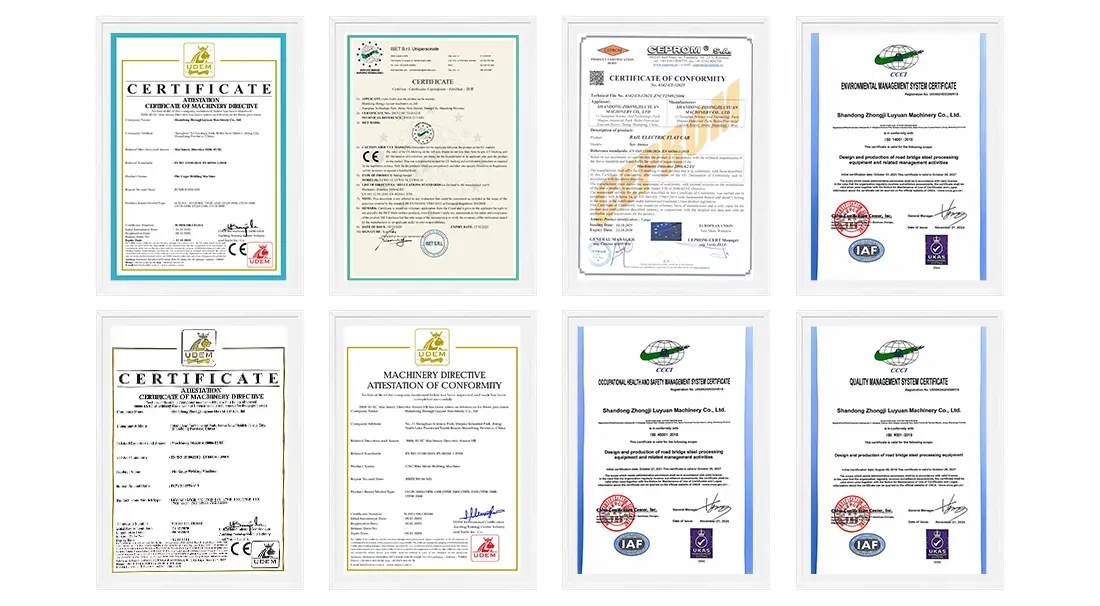
Technical Specifications
| Parameter | Value |
|---|---|
| Bending Diameter Range | Bi-directional: φ10–32mm / Single: φ36–50mm |
| Bending Angular Speed | 48°–72°/second |
| Maximum Bending Angle | Up: 0–180° / Down: 0–-120° |
| Moving Speed | 0.5–1 m/s |
| Production Efficiency | 120–180 pieces/hour |
| Bending Precision | Angle error: ±0.5° / Length error: <1mm |
| Processing Length Range | 0.5–12 meters |
| Minimum Bar Length | 1,250 mm |
| Minimum Edge Length | 80 mm |
| Power Supply | 380V / 50Hz / 3-phase |
| Total Power | 27.7 kW |
| Actual Power Consumption | 12 kW/hour |
| Control System | PLC + Touch Screen |
| Safety Features | Full protection system with overload safeguards |
Multi-Bar Bending Capacity
| Diameter | Maximum Bars Per Cycle |
|---|---|
| φ10mm | 6 bars |
| φ12mm | 6 bars |
| φ14mm | 5 bars |
| φ16mm | 5 bars |
| φ18mm | 4 bars |
| φ20mm | 3 bars |
| φ22mm | 3 bars |
| φ25mm | 2 bars |
| φ28–50mm | 1 bar |
Key Operational Advantages
Automated Efficiency
Fully automatic CNC processing eliminates manual intervention. The system executes continuous operations from parameter input through finished component delivery.
Labor Cost Reduction
One operator manages the entire process, replacing 5–8 traditional workers. Labor intensity decreases dramatically while output quality improves.
Material Conservation
Precision programming reduces human error and cuts rebar wastage by more than 10%. Exact measurements prevent costly over-ordering and scrap accumulation.
Space Optimization
Vertical bending architecture minimizes the machine's footprint. You maximize productive floor area in workshops, precast yards, and temporary site facilities.
Versatile Application Range
Process standard deformed bars, round bars, and high-strength alloys. Handle routine stirrups, complex cage assemblies, and specialized structural components within a single platform.
24-Hour Production Capability
Robust construction supports continuous operation without performance degradation. Meet aggressive project deadlines with reliable around-the-clock processing.
Quick Specification Changes
Store unlimited parameter sets in the PLC memory. Recall configurations instantly when switching between different rebar schedules or project phases.
Long-Term Durability
Industrial-grade components withstand harsh construction environments. Low failure rates and simplified maintenance protocols ensure maximum uptime throughout the equipment lifecycle.
Frequently Asked Questions
Q: What is the maximum rebar grade this machine can handle?
A: Standard units process Grade 60 (420 MPa) steel reliably. High-torque models accommodate Grade 75 or 80 rebar when you use appropriate mandrel diameters to prevent internal micro-cracking during the bending cycle.
Q: How often does the gearbox oil require replacement?
A: Perform the first oil change after 50 operating hours on new machines. Subsequent changes occur every 500–800 working hours depending on ambient temperature and load conditions. Regular maintenance preserves transmission efficiency.
Q: Can the machine bend multiple bars simultaneously?
A: Yes, for smaller diameters like φ6–10mm, you can bend multiple bars in one cycle. Ensure the combined cross-sectional area stays within the machine's single-bar maximum rating to maintain bending accuracy and equipment safety.
Q: What causes motor overheating during operation?
A: Overheating typically results from voltage drops in long extension cables on construction sites or attempting to bend rebar exceeding the machine's rated capacity. Use adequate gauge power cables and verify diameter specifications before processing.
Q: Does the machine require a specific foundation?
A: While designed for portability, place the unit on level, compacted surfaces or concrete pads. Proper foundation support prevents frame twisting and maintains bending accuracy during high-torque cycles, especially when processing larger diameter bars.
Q: How quickly can new operators learn the system?
A: The intuitive PLC touch screen interface enables most operators to achieve proficiency within one hour of training. Parameter storage functions and visual prompts simplify the learning curve significantly compared to manual bending methods.
Q: What maintenance schedule should we follow?
A: Beyond regular gearbox oil changes, inspect bending pins and mandrels weekly for wear. Check electrical connections monthly. The low-maintenance design minimizes downtime, but preventive inspections extend component life and ensure consistent output quality.
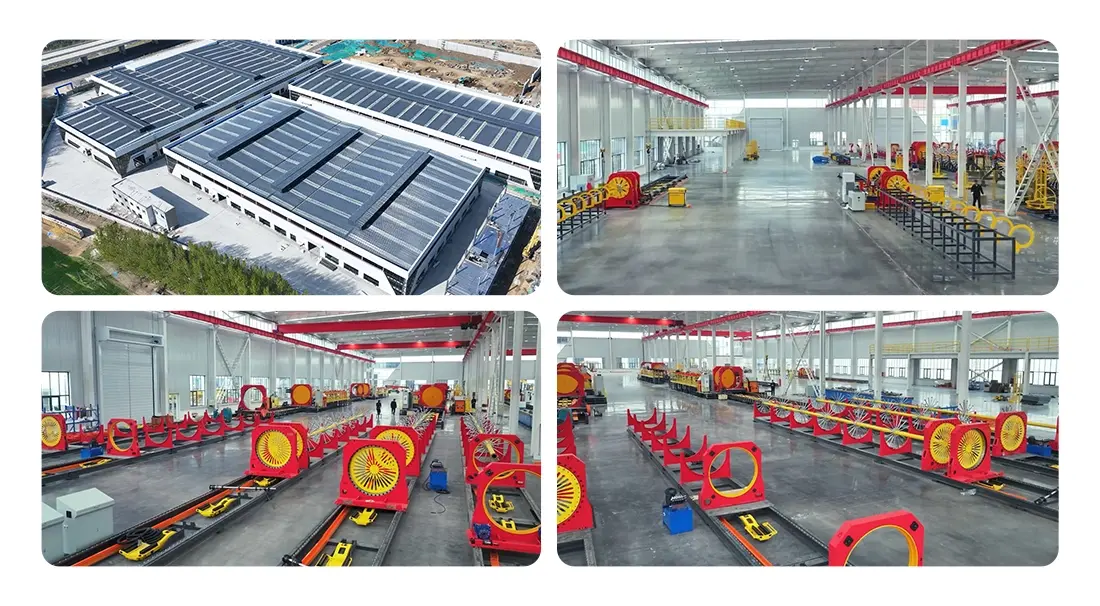
Proven Performance Across Major Infrastructure
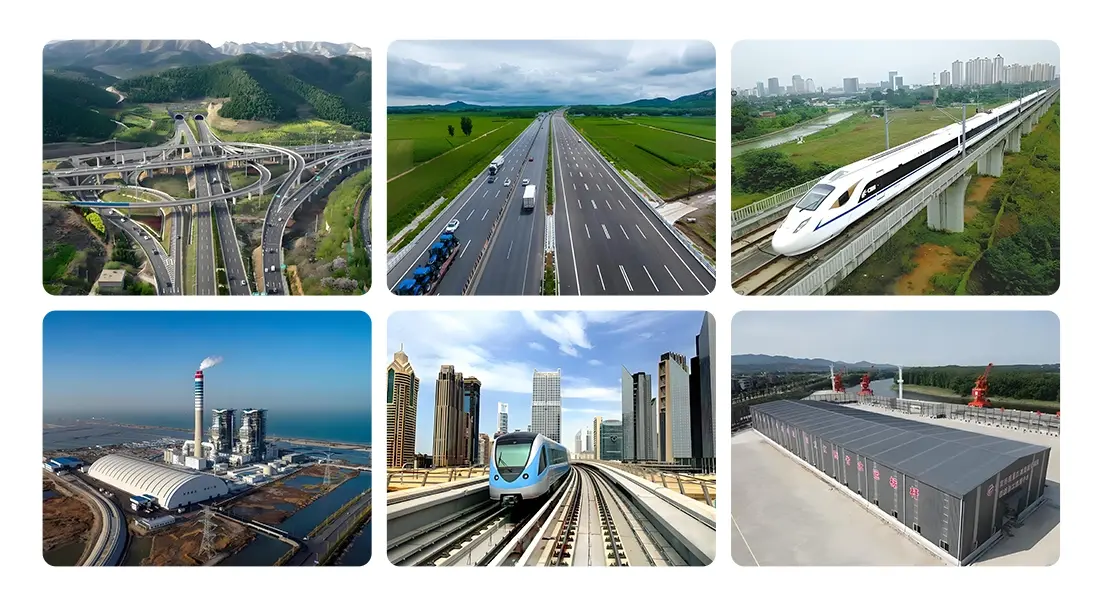
Our construction bar bending machine technology supports critical projects worldwide. From high-speed railway construction to nuclear power facilities, the equipment delivers precision when structural integrity cannot be compromised.
Long-term partnerships with China Railway Group, China State Construction Engineering Corporation, and China Communications Construction Company validate our commitment to quality. These industry leaders depend on our solutions for bridge reinforcement cages, tunnel lining systems, and urban transit infrastructure where dimensional accuracy directly impacts public safety.
Export presence in nearly 100 countries demonstrates global confidence in our engineering standards. Whether your project involves seismic-resistant building codes, extreme climate conditions, or high-volume precast production, our machines adapt to your specific requirements.
The nationwide sales and service network ensures rapid technical support. Professional after-sales teams provide installation guidance, operator training, and responsive maintenance assistance to minimize any production interruptions.
Contact Us for Custom Solutions
Ready to transform your rebar processing efficiency? Our engineering team will help you select the optimal configuration for your construction bar bending machine requirements and production volume.
Reach out today at sales2@shandongluyuan.com to discuss specifications, delivery timelines, and technical support options for your operation.