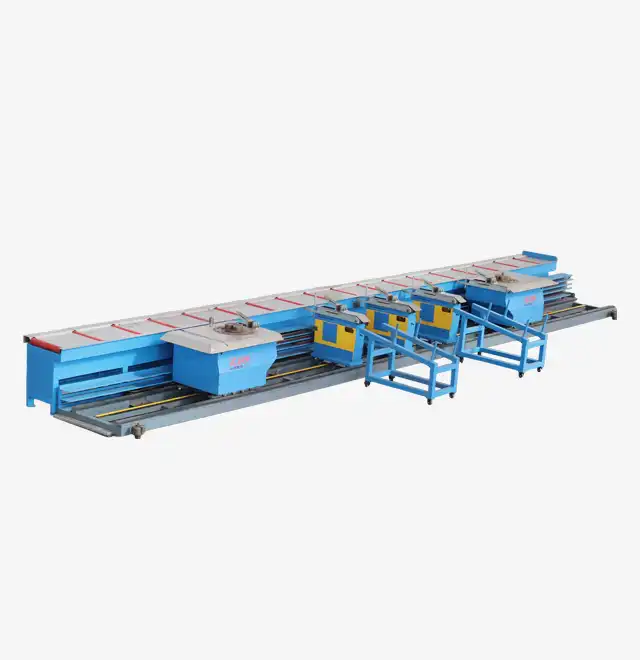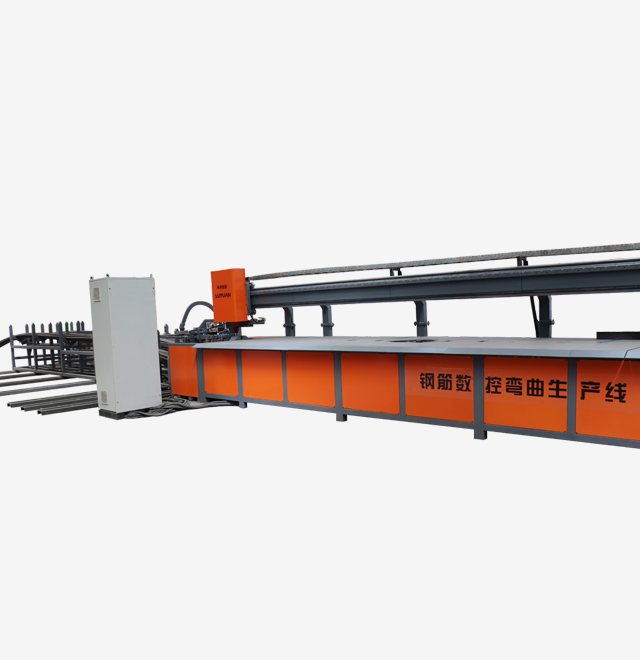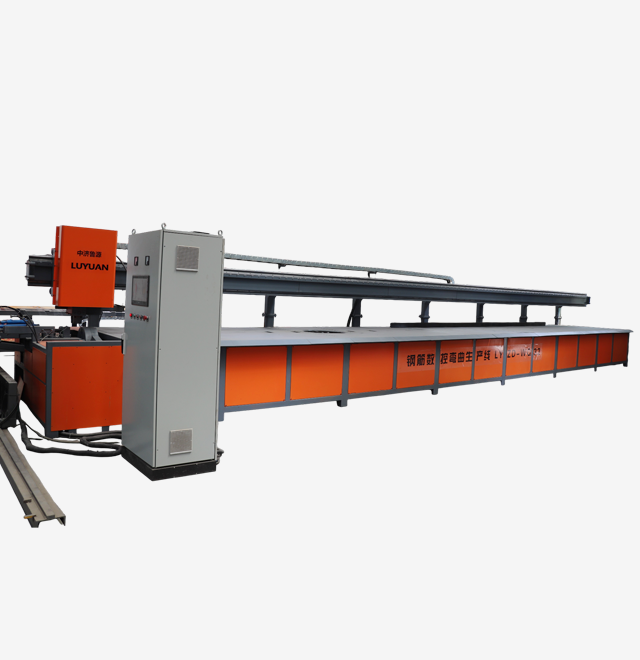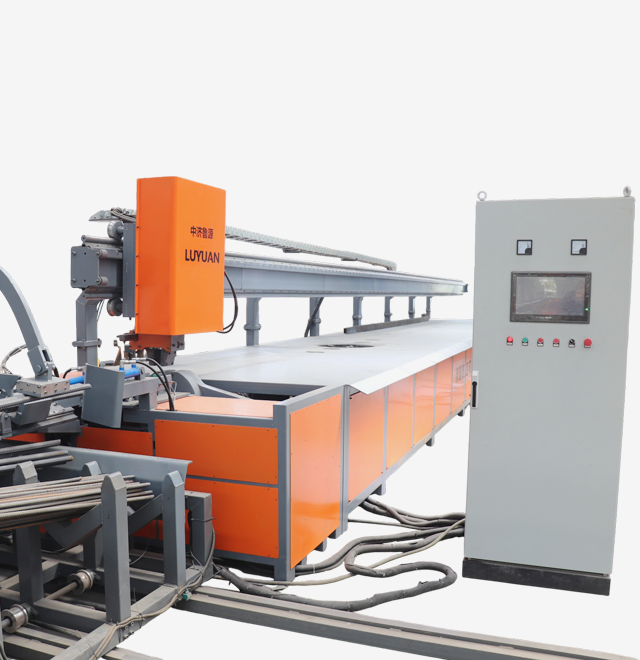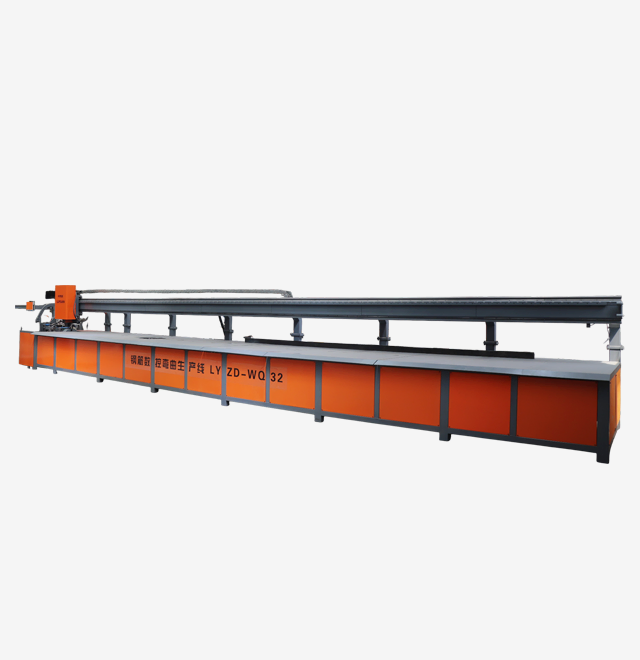
cost of bar bending machine
2.Operation Mode: Intelligent CNC automatic control / servo driven
3.Bending Mode: Double-head synchronous bending
4.Rebar Diameter Range: φ10–32 mm
5.Bending Angle Range: 0–180°
6.Bending Length Range: 0.5–12 m
7.Power Supply: 380V / 50Hz / 3-phase
8.Control System: CNC system with touch screen
9.Production Efficiency: 120–180 pcs/hour
10.Main Materials: Reinforced heavy-duty steel structure
11.Application: Rebar processing for beams, columns, and construction projects
Product Description
Cost of Bar Bending Machine: Complete Guide to Enterprise-Grade Automated Rebar Processing Solutions
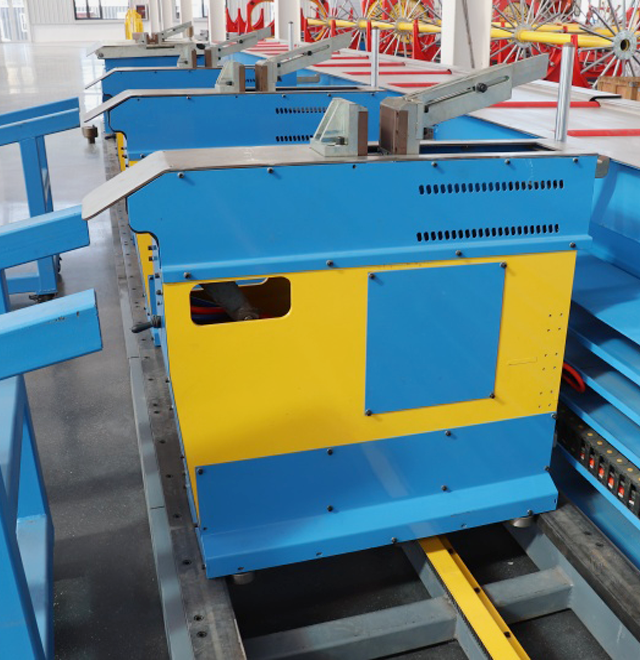
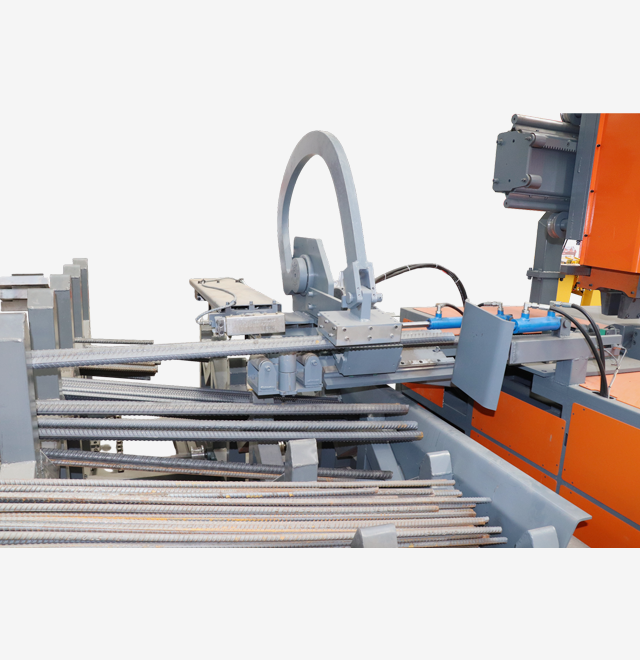
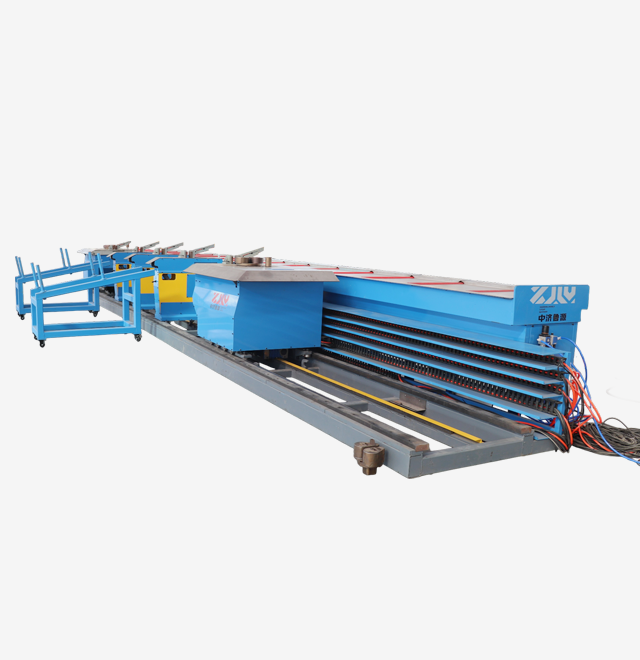
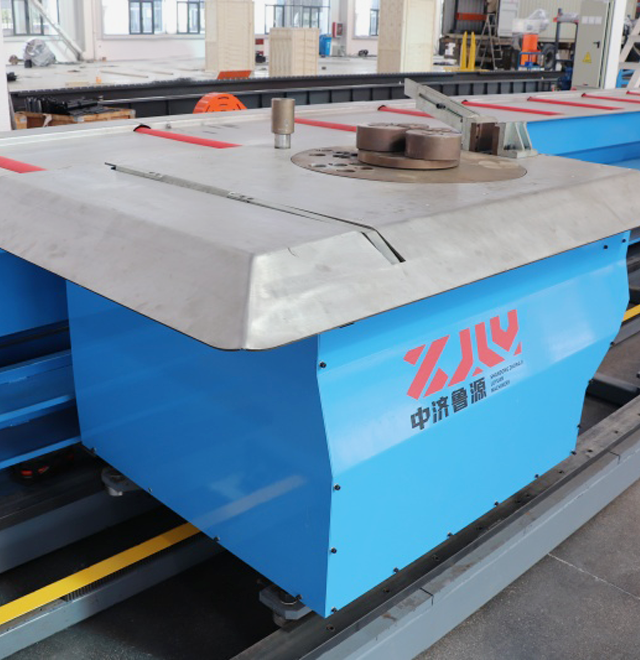
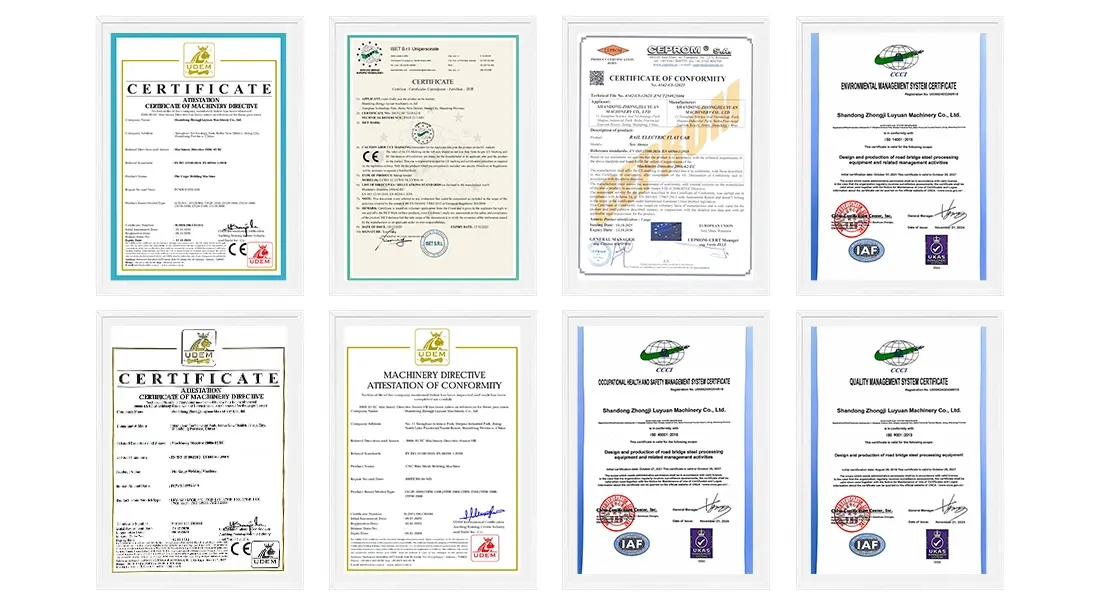
Understanding the cost of bar bending machine investment is critical for construction and infrastructure project planning. Shandong Zhongji Luyuan Machinery Co., Ltd., established in 2016 with RMB 50 million registered capital, delivers fully automatic CNC rebar bending centers engineered for large-scale operations. Our double-head synchronous bending technology processes φ10–32mm rebar at 120–180 pieces per hour, with bending angle precision within ±0.5° and length accuracy under 1mm. The machine from our facility reflects servo-driven automation that replaces 5–8 manual workers, reduces material waste by over 10%, and supports 24-hour continuous operation across railway, highway, bridge, nuclear power, and hydropower projects trusted by China Railway Group, CRCC, CSCEC, and CCCC.
Why Analyze the Total Cost of Bar Bending Machine Investment
When evaluating the cost of bar bending machine, you need to consider more than the sticker price. The Total Cost of Ownership includes shipping logistics, installation engineering, and daily energy consumption patterns.
For procurement managers, the primary pain points center on three areas. First, high labor expenses erode project margins, making automation financially attractive. Second, manual bending creates material waste through dimensional inaccuracies that multiply across thousands of rebars. Third, production bottlenecks threaten critical path timelines.
Our CNC rebar bending centers address these concerns directly. The PLC touch screen control stores bending parameters for instant recall. You can switch between specifications without manual recalibration, maintaining consistent output quality. This intelligent system enables new operators to achieve full competency within one hour of training.
Technical Specifications Affecting Equipment Pricing
The property of industrial bending equipment directly correlates with its component quality and control sophistication. High-end machines integrate CNC systems with precision encoders, while economy models rely on mechanical limit switches.
Motor composition significantly impacts performance longevity. Copper motors deliver superior conductivity and thermal resistance compared to aluminum alternatives, translating to extended operational life and reduced energy costs over multi-year periods.
Drive system architecture represents another cost differentiator. Hydraulic mechanisms provide smoother torque delivery and quieter operation during continuous duty cycles. Our servo-driven system maintains stability during 24-hour production schedules without performance degradation.
Core Machine Specifications
| Parameter | Specification |
|---|---|
| Bending Diameter Range (Bi-directional) | φ10~32mm |
| Single Bending Range | φ36~50mm |
| Max Bending Angle | Up: 0~180° / Down: 0~-120° |
| Bending Angular Speed | 48°~72°/s |
| Moving Speed | 0.5~1m/s |
| Minimum Edge Length | 80mm |
| Minimum Bar Length | 1250mm |
| Power Supply | 380V / 50Hz / 3-phase |
| Total Power | 27.7kW |
| Actual Power Consumption | 12kW/h |
| Production Efficiency | 120–180 pcs/hour |
| Precision Tolerance | Angle: ±0.5° / Length: <1mm |
Multi-Bar Processing Capacity
| Diameter | Simultaneous Bars |
|---|---|
| φ10mm | 6 bars |
| φ12mm | 6 bars |
| φ14mm | 5 bars |
| φ16mm | 5 bars |
| φ18mm | 4 bars |
| φ20mm | 3 bars |
| φ22mm | 3 bars |
| φ25mm | 2 bars |
| φ28-50mm | 1 bar |
Application Scenarios and Cost Justification
The appropriate machine selection depends on your operational environment and volume requirements. Different scenarios justify varying investment levels.
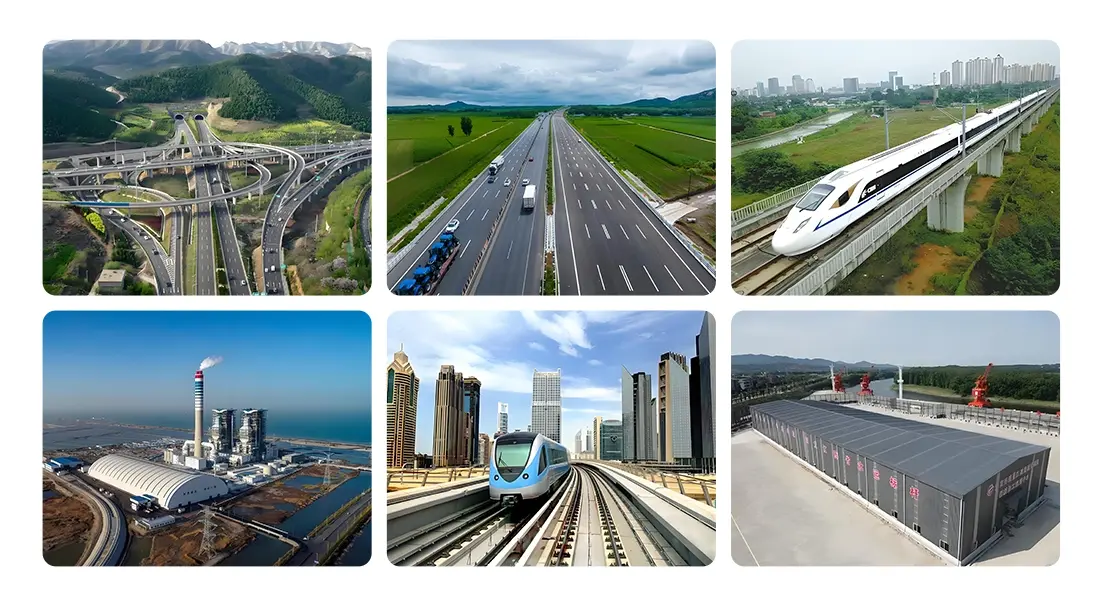
Large-Scale Infrastructure Projects require heavy-duty automatic systems. When you're building bridges or highways with 40mm+ high-strength rebar, the equipment must deliver extreme durability. Our reinforced heavy-duty steel structure withstands continuous stress without deformation. The double-head synchronous bending completes complex shapes in one-step forming, maintaining dimensional consistency across thousands of identical components.
Precast Concrete Factories benefit from CNC precision storage capabilities. Your manufacturing environment demands repeatable accuracy for structural components. Our PLC system stores 100+ bending patterns with one-key recall, ensuring millimetric precision across production batches. This eliminates the dimensional variation that causes assembly issues during module installation.
Residential Construction Sites need operational flexibility in space-constrained areas. Our vertical bending design saves valuable on-site real estate. The 0.5–12m processing length accommodates beams, columns, and stirrups without repositioning. One operator manages the complete workflow, from loading raw material to collecting finished pieces.
Performance Advantages Reducing Long-Term Costs
Automation intensity directly affects your labor expense structure. Our fully automatic system eliminates manual intervention throughout the bending cycle. You assign one operator to supervise multiple machines, replacing the 5–8 workers previously required for equivalent output.
Material waste reduction translates to measurable savings. Manual bending generates scrap through angle inconsistencies and length miscalculations. Our CNC control maintains ±0.5° angle precision and sub-1mm length accuracy, lowering material loss by more than 10% compared to conventional methods.
Energy efficiency impacts your operational budget. With 12kW/h actual power consumption despite 27.7kW total capacity, you minimize electricity costs during extended production runs. The servo drive system optimizes power draw based on real-time load requirements rather than maintaining constant maximum consumption.
Maintenance simplicity reduces downtime expenses. Our torsion-resistant structure maintains alignment under continuous stress. The low failure rate stems from vacuum-quenched alloy steel components in critical wear points. When service is required, accessible design allows rapid replacement of bushings, pins, and contactors.
Return on Investment Timeline
On high-volume construction sites, you typically recover the cost of bar bending machine within 4 to 8 months. This calculation factors increased productivity, reduced material waste, and eliminated labor expenses.
Consider a project processing 500 rebars daily. Manual crews achieve approximately 60 pieces per hour with 6 workers. Our automated system reaches 180 pieces per hour with one operator—a 200% throughput increase with 83% labor reduction.
Material savings compound over project duration. On a 10,000-rebar contract, reducing waste from 15% to 5% saves 1,000 pieces. At current steel prices, this represents substantial cost avoidance that accelerates ROI achievement.
Quality consistency prevents expensive rework. When bent components fail fit-up inspection, you incur costs for replacement material, additional labor, and schedule delays. Our precision control eliminates these downstream expenses by ensuring first-pass acceptance.
Frequently Asked Questions
Q: How does motor composition affect long-term machine ownership?
A: Copper motors provide superior conductivity and heat dissipation compared to aluminum alternatives. While initial purchase price is higher, copper motors deliver longer operational lifespans and reduced energy consumption over multi-year service periods. Your total cost of ownership decreases through fewer motor replacements and lower electricity expenses.
Q: What role does automation level play in justifying machine investment?
A: CNC-integrated machines carry higher upfront pricing but reduce labor costs by up to 70% compared to manual models. For operations processing more than 200 rebars daily, the labor savings alone justify the automation premium within six months. You also gain consistency advantages that manual methods cannot achieve.
Q: Are replacement parts included in the quoted machine?
A: We provide a starter kit containing essential consumables including bushings, pins, and alignment tools. Long-term maintenance budgets should account for wearable components like contactors and bending discs. Our nationwide service network ensures rapid parts availability to minimize downtime.
Q: Does the stated machine include shipping and installation?
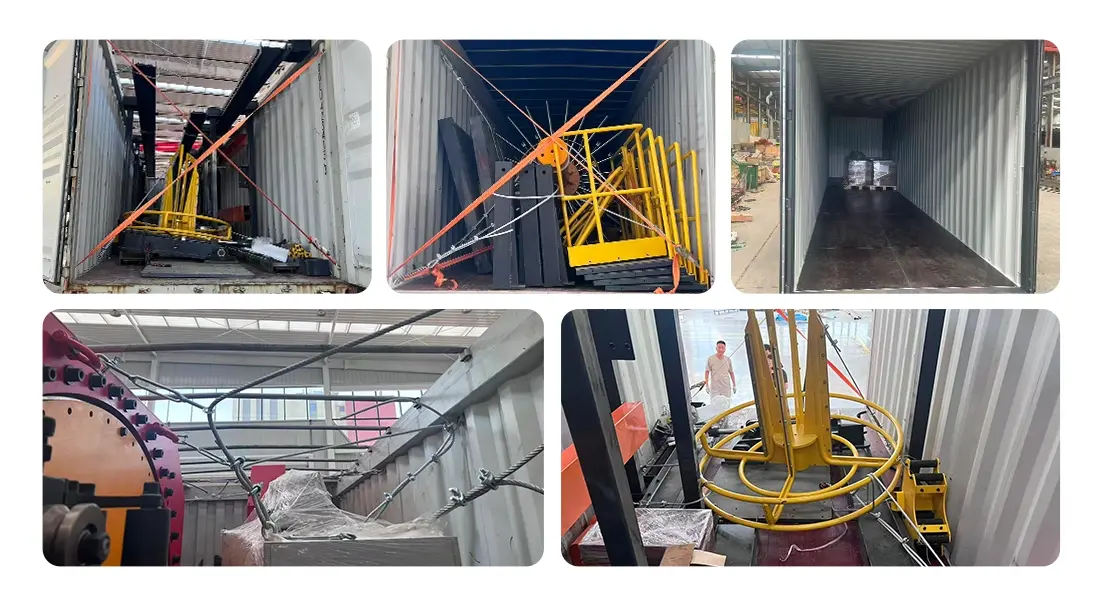
A: Pricing terms depend on agreed Incoterms. We offer FOB, CIF, and DDP options to match your logistics preferences. CIF terms include international shipping and insurance, while DDP covers all costs through final delivery at your facility. Clarify these terms during quotation to avoid unexpected fees.
Q: What factors extend or shorten the ROI period for machine?
A: Project volume intensity most significantly impacts ROI achievement. Sites processing 300+ rebars daily recover investment within 4 months through labor and material savings. Lower-volume applications extending to 8 months still demonstrate strong financial performance compared to manual alternatives. Material costs, local labor rates, and equipment utilization percentages all influence the specific timeline for your operation.
Q: Can the machine handle special-shaped reinforcements beyond standard bends?
A: Yes. Our CNC system processes right angles, hooks, stirrups, and complex custom geometries. You program irregular shapes through the touch screen interface, and the double-head synchronous system executes them with the same ±0.5° precision as standard configurations. This versatility eliminates the need for multiple specialized machines.
Q: How does the vertical bending design benefit on-site operations?
A: Vertical configuration reduces the equipment footprint by approximately 40% compared to horizontal models with equivalent capacity. You reclaim valuable ground space in congested construction sites while maintaining full processing capability. The compact design also simplifies transportation between project locations.
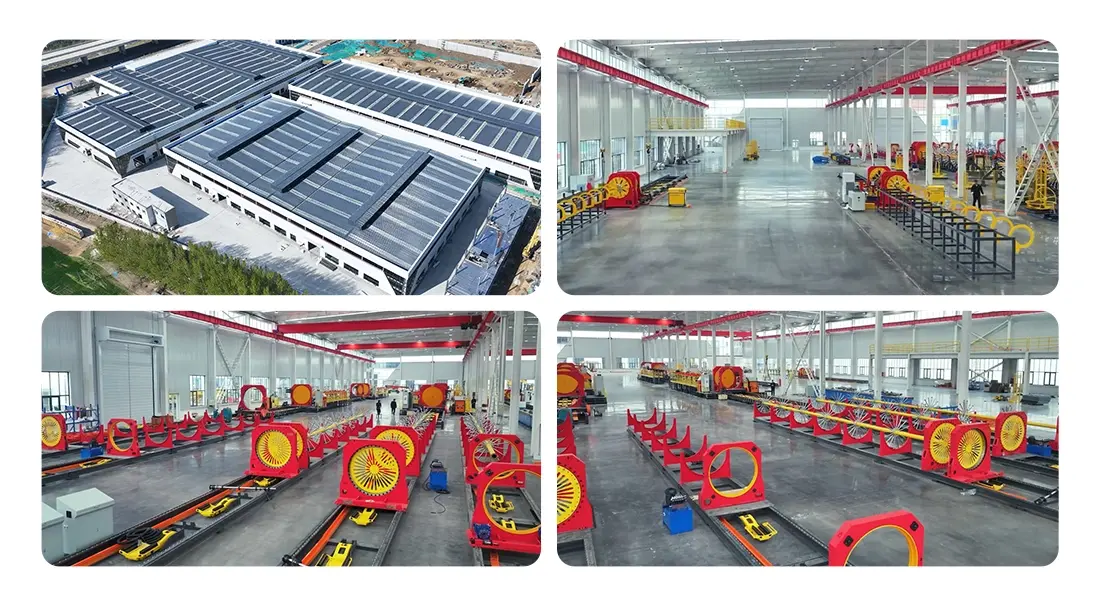
Global Trust from Infrastructure Leaders
Our equipment serves nearly 100 countries and regions across Asia, Middle East, Africa, and beyond. We maintain long-term partnerships with China's premier construction enterprises including China Railway Group, China Railway Construction Corporation, China State Construction Engineering Corporation, and China Communications Construction Company.
These relationships demonstrate proven reliability in the most demanding applications. Our machines operate continuously on high-speed railway projects, nuclear power facilities, hydropower installations, and major bridge construction where equipment failure creates severe schedule and financial consequences.
Contact Us for Detailed Cost Analysis
When you're ready to evaluate the cost of bar bending machine for your specific application, our technical team provides customized quotations reflecting your processing requirements, volume projections, and site conditions.
Reach our sales team at sales2@shandongluyuan.com for detailed specifications, pricing options, and ROI analysis tailored to your project parameters.