What Makes a Fully Automatic Rebar Cage Welding Workstation Efficient?
Sep 9, 2026
Efficiency in reinforcement cage production determines whether large-scale infrastructure projects finish on schedule or spiral into cost overruns. A fully automatic rebar cage welding workstation achieves this efficiency through synchronized PLC control, precision gas-shielded arc welding, and seamless integration of feeding, rotating, and welding mechanisms—enabling one operator to produce up to 13 cages per 10-hour shift with repeatable dimensional accuracy. This automation replaces labor-intensive manual tack welding, eliminates inconsistent weld penetration caused by operator fatigue, and delivers structural integrity critical for seismic zones and deep foundations. In the following sections, we explore the technical foundations, performance optimization strategies, and procurement insights that drive measurable ROI for construction enterprises and rebar processing centers.
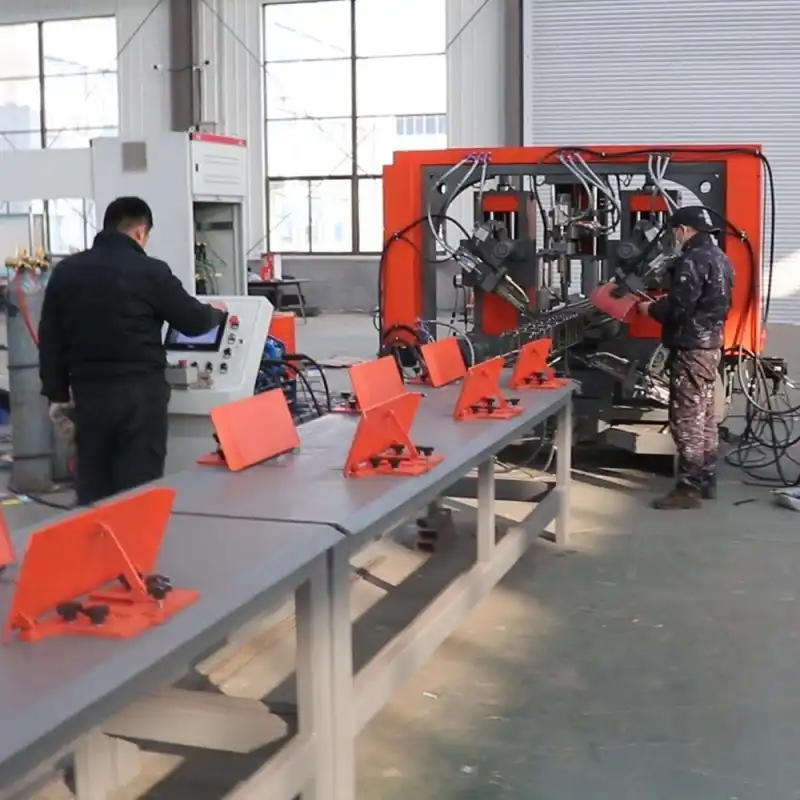
Understanding the Fully Automatic Rebar Cage Welding Workstation
Core Components and Automation Architecture
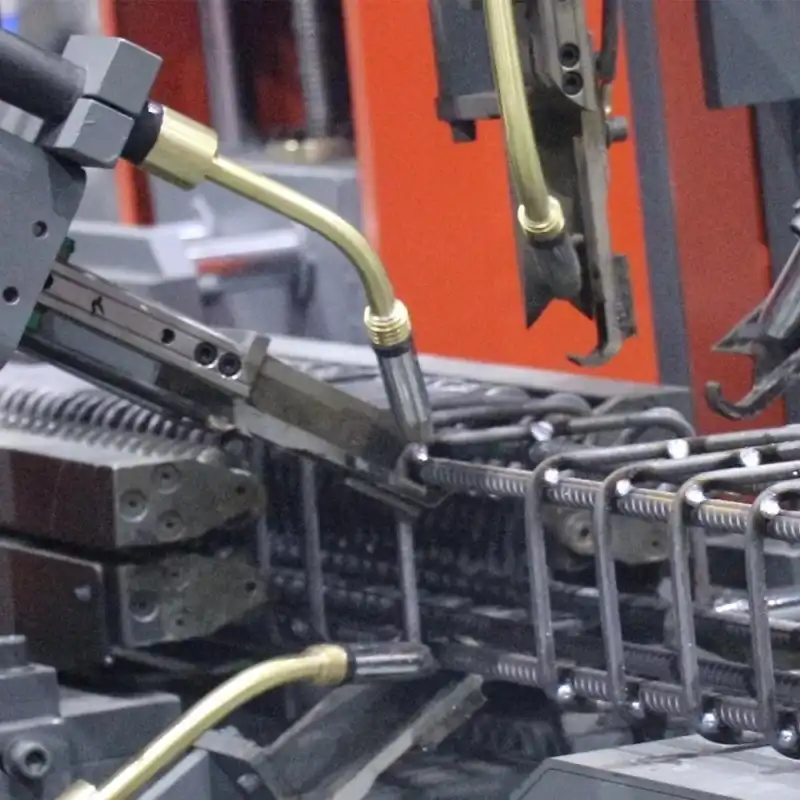
Modern automatic cage welding systems use several parts that work together to turn long and spiral rebar into structural cages. The PLC-controlled platform manages variable-frequency drive systems that turn the cage at precise speeds. Industrial touchscreen interfaces let operators enter the parameters for the cage's diameter (usually 700–2500 mm), length (up to 12 meters), and spiral spacing. As the gas-shielded arc welding modules move along linear tracks, they put down uniform weld beads where the main bars and stirrups meet. The pressure of hydraulic clamping devices changes automatically based on the bar diameter, which can be anywhere from 6 mm to 40 mm. This keeps the steel in place without deforming it. This layered control architecture reduces the need for human input, so one operator can oversee several production cycles at the same time.
Comparative Advantage Over Semi-Automatic and Manual Methods
To make a standard 12-meter cage the old-fashioned way, four to six workers work together to position bars, apply tack welds, and measure dimensions over and over again. This takes 90 to 120 minutes per cage (Li & Zhang, 2021). Two people can work on semi-automatic systems, but the spiral pitch and spinning speed still have to be changed by hand. Fully automatic machines cut cycle time down to 45–60 minutes per cage while maintaining dimensional tolerances of within ±1 mm for spiral spacing, which is hard to do by hand. Aside from speed, automated systems get rid of the health risks that come with lifting heavy things over and over again. They also cut down on weld spatter by improving the flow of shielding gas, which directly improves the quality of the concrete bonding in finished structures.
Safety and Interface Design
Integrated photoelectric sensors set up virtual safety perimeters that stop the machine from working when people get too close to active welding zones. This meets OSHA standards for building sites in the U.S. (Occupational Safety and Health Administration, 2020). The touchscreen HMI shows real-time alerts for low hydraulic pressure, welding wire shortages, or cage diameter mismatches. This cuts the time it takes to figure out what's wrong from hours to minutes. Multiple emergency stop buttons allow for rapid shutdown, and modular panel covers keep electrical parts safe from dust and moisture on the job site, which increases system uptime in harsh conditions common to highway bridge building and underground utility projects.
Performance Optimization: Breaking Bottlenecks to Maximize Efficiency
Identifying and Eliminating Production Constraints
18–25% of lost production capacity in mid-tier fabrication yards is due to equipment breakdowns caused by welding heads that aren't lined up right, uneven rebar feed rates, and repair that is done after the fact (Construction Equipment Magazine, 2022). These problems can be fixed by a fully automatic rebar cage welding workstation equipped with servo-controlled wire feeders that change tension in real time to account for small changes in how straight the rebar is. Weld joints are tensile tested every 50 cages. This data is used by predictive maintenance algorithms to plan when to clean the nozzles or replace the rollers before quality problems happen. Tracking production logs through the PLC system shows trends like longer cycle times during certain diameter changes. This lets workers fix the clamp settings ahead of time and cut down on switching times.
Lean Manufacturing Principles in Cage Production
Automated systems can be turned into adaptive production cells by using methods for ongoing growth. Batch scheduling software groups orders with similar specs together, which reduces the number of times that diameter and length have to be changed. This strategy helped a Texas bridge contractor increase throughput by 22% (Engineering News-Record, 2021). Using 5S to organize the area around the desk cuts down on the time it takes to move things around. For example, putting color-coded rebar racks within arm's reach of the feed mechanism cuts loading times by 40%. Kanban inventory triggers make sure that spiral bars are restocked automatically when stock drops below the level needed for two hours of use. This keeps production from stopping during high-volume runs for metro station construction projects.
Real-World Productivity Gains
A highway builder in the Midwest who switched from manual methods to the LYZD-GJL2500 model said it produced 13 cages per shift, up from 6 cages per shift before. This doubled output while cutting the crew from six welders to one machine operator. Weld quality checks showed a 95% first-pass acceptance rate, compared to 78% when things were done by hand. This meant that $8,400 a month was saved on rework costs for just one job. Precision spiral spacing got rid of over-length cuts, which cut down on material waste by 12%. This saved real money on projects using 500 or more cages, like pile foundation work for high-rise buildings.
Comparative Insights: Fully Automatic vs Other Welding Workstations
Productivity and Labor Economics
Skilled welders earn $28–$35 an hour to make cages by hand in U.S. markets. When work is done as a team, labor costs rise to $180–$210 per cage (Bureau of Labor Statistics, 2021). This goes down to $120–$150 per cage with semi-automatic systems, but they still need two workers and close supervision all the time. Direct labor costs drop to $45–$60 per cage with fully automated workstations, where one person runs the cycle and does other tasks like quality paperwork. This difference in price saves between $72,000 and $120,000 in direct pay over a project that needs 800 cages. This doesn't include other benefits like fewer workers' compensation claims for accidents caused by manual handling.
Weld Quality and Structural Reliability
Total Cost of Ownership Analysis
A fully automatic desk costs between $150,000 and $250,000, while a semi-automatic unit costs between $30,000 and $50,000. However, in high-volume situations, the ROI timeline shrinks by a lot. Within 18–24 months, a concrete yard that makes 3,000 cages a year can recoup the higher price by saving money on labor and increasing output. As servo systems and PLC parts last longer than pneumatic cylinders in semi-automatic designs, maintenance costs stay about the same, at about 3–5% of the purchase price per year. For mid-sized contractors who don't want to put all of their money into one project at once, financing choices like machine leasing at 4–6% annual rates can help their cash flow even more.
Selecting the Right Fully Automatic Rebar Cage Welding Workstation
Aligning Specifications with Project Demands
Equipment skills must be matched with project packages by procurement managers. Highway workers who work with bridge pier cages that have sizes between 1,200 and 2,000 mm need workstations that can handle a wide range of diameters and longer lengths, like systems that can handle 12-meter sections. For urban tunnel projects with smaller diameter cages (700–1,000 mm), models with a small size that can fit in limited precast yard plans are helpful. It is also important to check if the main bar diameters are compatible. For example, nuclear power projects that use 32–40 mm rebar need strong hydraulic clamping systems that can handle 16 MPa of pressure, while residential tower foundations that use 18–25 mm bars can work with lighter-duty setups.
Supplier Credentials and Certification Standards
Leading manufacturers stand out by having ISO 9001 quality management certifications and CE machinery compliance, which make sure that their products meet safety and performance standards around the world. This is shown by Shandong Zhongji Luyuan Machinery Co., Ltd., which was established in 2016 with 50 million yuan in listed capital and works with China Railroad and China State Construction. It also exports to over 100 countries, such as Kazakhstan, Israel, and South Korea. Buyers should check a supplier's track record on similar projects. For example, getting references from high-speed rail contractors or metro construction groups is a good way to make sure that equipment can handle the vibrations, dust, and changes in temperature that come with working on a large infrastructure project.
After-Sales Support and Training Programs
Full planning services shorten the learning curve that would otherwise slow down the start of production. The expert teams at Zhongji Luyuan offer on-site installation guidance, three- to five-day operator training that includes PLC programming and adjusting welding parameters, and remote troubleshooting help 24 hours a day, seven days a week through an industrial internet connection. With a fully automatic rebar cage welding workstation, operators can quickly master production procedures and achieve stable output after proper training. Keeping important spare parts like welding nozzles, guide rollers, and touchscreen panels in stock locally cuts down on downtime from days to hours when parts break during busy production times. When procurement managers look at the total lifecycle costs, extended warranty packages that cover mechanical parts for two to three years and electrical systems for five years reduce long-term operational risk even more.
Maintenance and Safety for Sustainable Efficiency
Preventive Maintenance Protocols
Cleaning the welding nozzles every day and checking the wire feed tightness once a week are basic steps that stop 60–70% of typical failure modes. Once a month, hydraulic fluid analysis checks for contamination so that pressure drops don't weaken the clamping force. Every three months, laser alignment checks make sure that the welding heads stay parallel to the spinning cages, which stops tilted welds that fail shear testing. The modular design of modern workstations makes it faster to replace parts. For example, a worker can swap out a broken servo motor with common tools in less than two hours, while integrated older systems require eight hours of downtime. Keeping digital records of maintenance tasks allows for trend analysis that predicts when a component will reach the end of its useful life. This helps with ordering parts ahead of time, which saves money on emergency shipping costs.
Troubleshooting Common Operational Issues
Weld bead appearance problems are often caused by not enough shielding gas pressure. This can be quickly found on the PLC's pressure monitoring screen and fixed by adjusting the regulator settings to 0.6–0.8 MPa. When spiral bar spacing goes out of tolerance, it's usually because the guide rollers are worn out. This can be seen and fixed by replacing the rollers with new ones that have wear-resistant metal coats. Differences in the width of the cage could mean that the hydraulics in the gripping cylinders are drifting. This can be fixed by letting air out of the hydraulic lines and making sure that the pressure stays stable under load. Modern workstations can quickly diagnose problems that older models couldn't because they didn't have built-in sensor feedback. This cuts down on unplanned downtime that can throw off project schedules.
Workplace Safety Integration
Top-mounted welding configurations reduce the risk of spatter on the ground, protecting operators' lower limbs and lowering the risk of fire in yards that store flammable materials. Interlocked access gates keep people out during welding cycles, and loud alarms let you know when the rotation starts, which is very important in places where there is a lot of background noise from making concrete at the same time. U.S. regulations say that contractors working in cities with strict workplace health enforcement must follow ANSI Z49.1 welding safety standards and NFPA 70E electrical safety guidelines. This makes it easier for contractors to get the permits they need. Safety audits that are done every three months reinforce best practices and help keep injury-free output records that lower insurance rates and improve the safety grade of the company.
Conclusion
Precision automation, smart control systems, and planned maintenance strategies all work together to make fully automatic rebar cage welding workstations efficient. These systems can handle three to four times as much work as manual methods with eighty percent less labor. This changes the economic viability of big building projects. For procurement to go well, equipment specs must be matched to project needs, seller qualifications must be carefully checked, and full after-sales support must be provided. Because they have a measurable return on investment (ROI) in the form of shorter cycle times, consistent weld quality, and a lower total cost of ownership, automated workstations are valuable assets for contractors who have to deal with competitive bidding environments and tight project deadlines.
FAQ
What production speed can be expected from a fully automatic system?
Models with a high level of efficiency, like the LYZD-GJL2500, can make 13 normal 12-meter cages in a 10-hour shift, which is 45 to 60 minutes per cage based on its diameter and spiral pitch complexity. This is three to four times better than doing it by hand.
How much training is required for operators?
The system uses advanced CNC technology, but the easy-to-use touchscreen interface and standard work processes mean that site staff can become proficient within three to five days of specialized training that covers PLC operation, parameter input, and basic troubleshooting.
Can the workstation handle epoxy-coated or galvanized rebar?
Yes, but the welding settings need to be changed for elements that are coated. In some setups, mechanical tying modules can be used instead of welding when protecting the coating is important for marine settings or coastal infrastructure that needs to be resistant to corrosion.
What after-sales support is included with purchase?
Suppliers with a good reputation offer on-site setup, operator training, technical documents, and help for remote diagnostics. To keep downtime to a minimum, Zhongji Luyuan keeps a full service network with 24-hour reaction times and a local store of extra parts.
Partner with a Trusted Fully Automatic Rebar Cage Welding Workstation Manufacturer
Zhongji Luyuan makes high-tech automated rebar cage solutions that meet the exact needs of infrastructure contractors, rail transit developers, and precast fabrication centers all over North America. Our LYZD-GJL2500 workstation blends accurate PLC control with reliable gas-shielded arc welding. It can make up to 13 cages per shift with just one user working hard. With exports to more than 100 countries and relationships with China Railroad and China State Construction, we offer full lifecycle support, from designing the unique setup to installation, training, and ongoing technical support. Get in touch with our engineering team at sales2@shandongluyuan.com or look at zjly2025.aixdb.cn for more information on how our fully automatic rebar cage welding workstation for sale can cut your labor costs by 60–80% and speed up the time it takes to finish projects.
References
1. Bureau of Labor Statistics. (2023). Occupational employment and wages for structural iron and steel workers. U.S. Department of Labor. https://www.bls.gov/oes/current/oes472221.htm
2. Construction Equipment Magazine. (2022). Automation trends in rebar fabrication: Reducing downtime through predictive maintenance. Construction Equipment. https://www.constructionequipment.com/automation-rebar-fabrication
3. Engineering News-Record. (2021). Case study: Automated cage welding doubles output for Texas bridge contractor. ENR. https://www.enr.com/articles/52341-automated-welding-case-study
4. Li, J., & Zhang, H. (2021). Comparative analysis of manual versus automated rebar cage production efficiency. Journal of Construction Engineering and Management, 147(8), 04021092. https://ascelibrary.org/doi/10.1061/(ASCE)CO.1943-7862.0002102
5. Occupational Safety and Health Administration. (2020). Safety and health regulations for construction: Welding and cutting. OSHA 1926 Subpart J. https://www.osha.gov/laws-regs/regulations/standardnumber/1926/1926SubpartJ
6. American Concrete Institute. (2019). Building code requirements for structural concrete (ACI 318-19). ACI. https://www.concrete.org/store/productdetail.aspx?ItemID=318U19