Wire cage welding machine - Importance in Manhole & Concrete Pipe Industry
Sep 3, 2026
The wire cage welding machine represents a transformative solution in the production of reinforced concrete structures, particularly manholes and concrete pipes. By automating the fabrication of cylindrical and polygonal reinforcement cages, these machines replace inconsistent manual welding with precision-controlled processes, enabling manufacturers to achieve uniform weld quality and significantly higher throughput. In the U.S. infrastructure sector, where project timelines are aggressive and quality standards are unforgiving, automated rebar cage production has become indispensable for contractors seeking competitive advantage and operational reliability.
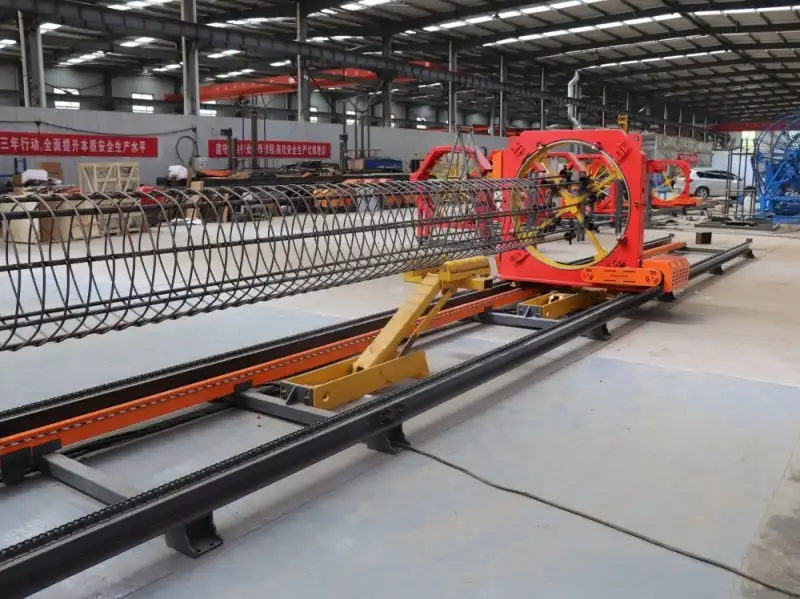
Understanding Wire Cage Welding Machines in Manhole & Concrete Pipe Manufacturing
What Defines a Wire Cage Welding System?
Modern reinforcement cage welding systems use PLC-controlled machinery to make sure that the feeding, placing, and welding of longitudinal and spiral rebar happen at the same time and in the right shapes. These systems can work with rebar diameters from 6 mm to 40 mm and make cages with diameters of 500 mm to 2,500 mm. They can be used for city drainage systems, utility corridors, and making precast concrete pipes.
The technology solves some of the biggest problems in the industry, like inconsistent manual welding, a lack of workers, and the inability to keep tight pitch accuracy over long distances. Automated production gets rid of mistakes made by humans and speeds up the production process. This gives infrastructure contractors working on metro tunnels, highway culverts, and water treatment facilities the consistent quality they need.
Core Technology and Operational Principles
The LYZD-GJL2500 type is an example of modern cage welding technology. It has a PLC control system with an HMI touchscreen interface that lets one person run the whole production process. Gas-shielded welding makes sure that the weld goes deep with few areas that are affected by the heat. This results in joints that meet the AWS D1.4 structural welding standards for reinforcing steel.
This system can handle cages with diameters between φ700 and φ2500 mm and lengths of up to 12 meters. The main bar diameters range from φ18 to φ40 mm, and the spiral bar diameters range from φ8 to φ16 mm. It is possible to make 13 cages in a 10-hour shift, which is 300% more efficient than tying them by hand. The 30-meter by 8.5-meter area is big enough for large-scale operations, and the modular design makes it easy to maintain and change parts.
Industry-Specific Applications and Requirements
In the process of making manholes, these machines make reinforcement cages that keep the structure strong against soil pressure and vehicle loads. The regular pattern of welding makes sure that the concrete cover is even and stops corrosion in harsh underground settings. To meet ASTM C76 standards for reinforced concrete culvert pipe, companies that make concrete pipes use automated cage welding. In this case, dimensional accuracy has a direct effect on the pipe's hydraulic performance and service life.
Benefits of Using Wire Cage Welding Machines in B2B Industry Settings
Production Efficiency and Labor Optimization
Automation changes the economics of production with a wire cage welding machine. The whole welding process is now controlled by a single operator, instead of the three to five skilled welders that were needed for manual fabrication. The LYZD-GJL2500 can handle 13 12-meter-tall cages every day, which lets precast makers meet big orders with predictable lead times.
The U.S. building business has been having trouble finding workers for a long time. This efficiency gain will help. In many places, a skilled welder can make more than $35 an hour, so automated systems pay for themselves in 18 to 24 months by saving workers' time. Besides lower wages, relying less on manual labor also lowers the scheduling problems that come with workers not being available or leaving.
Quality Consistency and Material Utilization
With automated welding, there are no more variations that come with doing things by hand. The servo control system keeps the pitch accuracy to within ±1mm along the full length of the cage. This makes sure that the rebar is spread out evenly, which improves the performance of the concrete. This consistency cuts down on rejections and rework, which protects project timelines and profits.
A lot less material is wasted because exact placement stops overwelding and using too much rebar. When making thousands of cages for big infrastructure projects, even small improvements in how the materials are used add up to big savings. When procurement managers look at investments in capital tools, they know that better material utilization directly increases project ROI, going beyond just labor costs.
Safety and Compliance Advantages
Modern cage welding systems have many safety features that meet OSHA requirements. Safety guards, emergency stop buttons, and interlock systems keep workers safe from moving parts and welding hazards. Musculoskeletal injuries are less likely to happen when heavy rebar doesn't have to be moved by hand as much. This lowers workers' compensation costs and improves safety records at work.
Environmental concerns are part of compliance. Compared to traditional welding stations, these use less electricity because they have energy-efficient servo motors and optimized welding cycles. The stable welding process reduces the amount of spatter and fumes that are produced. This makes the workplace better and supports business sustainability efforts, which are becoming more important in buying choices.
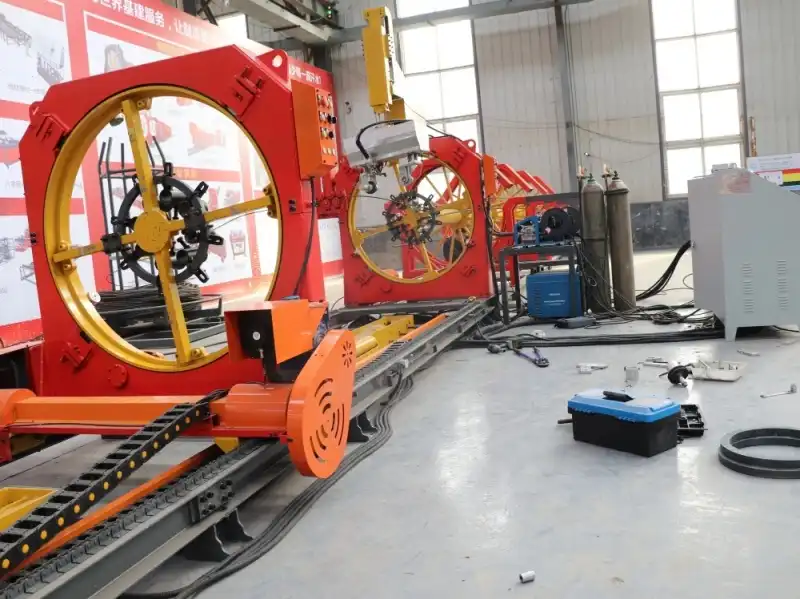
Types and Selection Criteria for Wire Cage Welding Machines
Automatic vs. Semi-Automatic Systems
Fully automatic production lines are the best option for companies that make a lot of cages with the same specs. The LYZD-GJL2500 is an example of one of these systems that can feed material, weld it, and discharge it with little help from an operator. All process factors are controlled by the PLC, which makes sure that the quality is the same from one production run to the next.
Semi-automatic machines need more help from an operator, but they can be customized to meet specific needs and produce smaller amounts. These systems work well for rebar processing centers that work on a wide range of projects and need to make changes to specifications on a regular basis. The trade-off between level of automation and flexibility needs to be in line with predictions of production volume and analysis of order patterns.
Critical Selection Parameters
When choosing cage welding tools, people who work in procurement should look at a number of technical specs. The diameter capacity of the cage must be able to handle both present and future product lines. Being able to handle 2,500 mm diameters gives the cage a lot of options for making pipes with big diameters. Order fulfillment is affected by length capacity, especially for bridge pile foundations that need cages that are 12 meters or longer.
The power and method of welding with a wire cage welding machine have a direct effect on the speed and strength of the joint. Gas-shielded welding at 100 kW can go deep enough for structural uses while still keeping the temperature under control. The 16 MPa hydraulic pressure rating and 0.8 MPa air supply needs show that the actuator will work well to place and clamp bars accurately.
Vendor Evaluation and After-Sales Considerations
Getting the right equipment takes more than just paying the initial purchase price. Long-term relationship value can be predicted by a vendor's technical ability, which can be seen through R&D investments and engineering help. Manufacturers like Zhongji Luyuan, which was founded in 2016 and has already been used on a number of infrastructure projects, have the engineering depth needed for custom configurations and ongoing optimization.
The infrastructure for after-sales support determines the continuity of operations. Check the vendor's response time promises, the availability of spare parts, and the training programs for operators. Downtime for equipment during busy production times can make it impossible to meet project delivery deadlines. This is why reliable service support is just as important as machine performance specifications. During the important break-in phase, warranties that cover major parts for 24 months or longer protect the capital investment.
Operating and Maintaining Wire Cage Welding Machines for Optimal Performance
Operator Training and Best Practices
Comprehensive training programs that cover both machine operation and troubleshooting protocols are the first step to running a business well. The tablet HMI makes it easier to enter parameters and keep an eye on the process, but workers still need to know how choices affect output quality. As part of training, people should learn how to check for problems in welds before the cages leave the production area.
As part of the daily starting process, the hydraulic fluid level, air pressure settings, and state of the welding wire spool are all checked. The operators need to make sure that the material specifications entered into the computer system match the rebar that is loaded into the feeding mechanism. This check stops the expensive production of cages that are the wrong size, which could cause project plans to slip.
Preventive Maintenance Scheduling
Regular repair makes equipment last longer and stops it from breaking down when it's not supposed to. Cleaning welding electrodes, checking hydraulic hoses for leaks, and lubricating moving parts according to manufacturer instructions are all things that need to be done every week. Every month, the structural frame, electrical connections, and servo motor performance should be checked to make sure they are all in good shape.
The modular structure design makes it easy to replace parts. Important wear parts, like welding tips and electrode holders, should be kept on hand as spares so that they can be switched out quickly. Maintenance workers should write down all of their work on equipment in logs. This creates historical data that can be used to predict how long a part will last and plan when to replace it before it breaks.
Troubleshooting Common Issues
Problems with the quality of the welding are often caused by wrong parameter choices or worn-out consumables. Weak joints could mean that there isn't enough welding power or that the electrodes are wearing down and need to be replaced. Pitch spacing that isn't always the same could mean that the servo motor's calibration is drifting or that there is mechanical play in the feeding mechanism. This can be fixed by recalibrating the control system and checking the bearings.
Material handling problems, not machine malfunctions, are a common cause of production delays with a wire cage welding machine. Feeding rollers get stuck when rebar is bent, and cycles are stopped when the wrong bars are loaded. These problems can be avoided by setting up quality control checkpoints for new materials. When mechanical problems happen, the reinforced frame design and easy-to-reach component layout make it easy for maintenance teams to figure out what's wrong and fix it quickly.
Procurement Insights: Buying, Supplying, and Customizing Wire Cage Welding Machines
Strategic Sourcing and Vendor Selection
Managers of procurement should work with more than one provider to compare prices and services. Chinese companies, especially those that work on big building projects in China, offer great deals by mixing tested technology with low prices. Zhongji Luyuan's work with China Railroad, China State Construction, and other top contractors shows that their equipment can handle tough conditions.
When evaluating an international seller, you should look at more than just the specs of the equipment. You should also look at their logistics, installation help, and how they handle warranties. Shipping times for equipment, knowledge of how to clear customs, and service representatives in the U.S. all affect how projects are planned. Vendors with established distribution networks can get parts to you faster than those who need to ship parts internationally for every repair call.
Financial Considerations and ROI Analysis
Investing in capital tools needs a thorough study of the finances. The LYZD-GJL2500 needs a single user and uses 30 kW of power, which lets you estimate its running costs. When you look at labor savings, you should look at all of the costs, not just base wages. These costs should include benefits, insurance, and overhead. Cutting down on material waste saves more money, though the exact amount depends on how efficient the process was before.
Cash flow and the overall economics of a project are affected by financing options such as leasing equipment, supplier payment terms, and government infrastructure incentive programs. Some suppliers offer payment plans that are delayed until certain project milestones are met. This makes managing working capital easier. These terms may make it okay for equipment prices to be higher when limited cash flow affects choices about what to buy.
Customization and Technical Support
Standard machine configurations work well for many tasks, but custom specifications are needed for specific production needs. For longer cage lengths, special welding programs for high-strength rebar grades, or integration with existing material handling systems, the supplier and buyer need to work together as engineers. Customizations are better made by vendors who can design their own products and make them in a variety of ways than by vendors who have to buy parts from outside sources.
Technical support lasts for the whole life of the equipment. Commissioning services make sure that the installation is done right and that the starting parameters are set up to work best. Manufacturers can change their production methods as project needs change with the help of ongoing consultation. More and more PLC-controlled equipment has remote diagnostic capabilities that let vendors fix problems without having to visit the site, which cuts down on downtime and service costs.
Conclusion
Automated reinforcement cage welding with a wire cage welding machine has completely changed how much it costs to make concrete pipes and manholes. When you combine labor efficiency, quality consistency, and operating safety, you solve some of the biggest problems that U.S. infrastructure companies face. Investing in advanced fabrication equipment goes from being a competitive advantage to an operational necessity as project requirements get stricter and labor markets stay tight. People who work in procurement who carefully check a vendor's skills, know the total cost of ownership, and make sure that equipment specs match production needs set their companies up for long-term growth in the infrastructure building sector.
FAQ
What distinguishes automatic from semi-automatic cage welding machines?
Automatic systems use PLC control to feed, place, weld, and release materials with little help from operators. They are best for high-volume, standard production. Semi-automatic machines can handle custom specifications and smaller batches, but they need operators to load materials and start the cycle steps. Automatic equipment has a higher throughput and more consistency, while semi-automatic systems have a lower initial cost and can be changed to meet new needs.
How do these machines integrate with existing production workflows?
Modern cage welding systems usually work as stand-alone workspaces that get cut rebar from equipment further up the line. The 30-meter by 8.5-meter footprint needs a dedicated floor space that can be used to load materials and take down finished cages. When planning for integration, you should think about how to deliver the rebar, how much equipment can handle the cages, and how to inspect the quality. Layout engineering help from vendors is used to improve material flow and find bottlenecks.
What maintenance intervals ensure reliable operation?
Inspections are done every day to check the levels of hydraulic fluid, air pressure, and welding consumables. As part of the weekly maintenance, the electrodes are cleaned and the rotation mechanism is oiled. Every month, tasks include checking the electrical connections and making sure the servo system is calibrated. Comprehensive service once a year checks the structure's strength and replaces worn parts before they break. Industry maintenance data shows that sticking to these schedules stops 85% of unplanned downtime.
Partner with Zhongji Luyuan for Advanced Reinforcement Cage Solutions
Zhongji Luyuan offers complete automated rebar processing systems, and our wire cage welding machine, the LYZD-GJL2500, is a flagship product. We have eight years of building experience and have installed these systems successfully in many infrastructure sectors. Our supplier of the wire cage welding machine gives U.S. contractors who have to meet tight deadlines and high standards the output efficiency and quality stability they need. We have registered 50 million yuan in capital and technical partnerships with China's biggest construction companies, so we know the problems that modern precast manufacturers face in running their businesses.
Email our team at sales2@shandongluyuan.com to get a detailed technical consultation and a competitive quote. To get the most out of your investment, we offer customized equipment configurations, thorough operator training, and quick support after the sale. You can look at our full range of CNC reinforcement processing options at zjly2025.aixdb.cn. These are made to meet the needs of modern infrastructure building.
References
1. American Concrete Pipe Association. (2022). Design Data Manual for Reinforced Concrete Pipe. Vienna, VA: ACPA Publications.
2. Portland Cement Association. (2021). Automation in Precast Concrete Manufacturing: Productivity and Quality Improvements. Skokie, IL: PCA Research and Development.
3. Construction Industry Institute. (2023). Labor Productivity Benchmarks in Infrastructure Construction. Austin, TX: CII Publication Series.
4. American Welding Society. (2020). Structural Welding Code - Reinforcing Steel (AWS D1.4/D1.4M). Miami, FL: AWS Standards Publications.
5. National Precast Concrete Association. (2022). Quality Control Manual for Precast Concrete Plants (8th Edition). Carmel, IN: NPCA Technical Resources.
6. International Code Council. (2021). International Building Code Chapter 19: Concrete - Reinforcement Requirements. Washington, DC: ICC Publications.