Cage Welding Machine for High-Speed Wire Mesh Production
Sep 7, 2026
Modern infrastructure demands rapid, precise fabrication of reinforcement structures. A cage welding machine automates the production of steel reinforcement cages through synchronized rotation and welding, eliminating manual tying inconsistencies. These CNC-controlled systems integrate high-frequency welding technology with programmable pitch control, delivering cylindrical or polygonal cages with millimeter-level accuracy. By reducing labor dependence by approximately 80% and accelerating production cycles significantly, automated welding equipment solves critical bottlenecks in high-volume wire mesh manufacturing across construction, precast concrete, and industrial applications.
Introduction
Infrastructure companies all over the US are under more and more pressure to speed up projects without putting structural stability at risk. Making reinforcement cages is a constant production bottleneck, whether they are for highway interchanges, underground tunnels, or hydropower facilities. Traditional methods that are done by hand aren't always accurate, take too much time, and pose safety risks that modern engineering standards can't stand.
Contractors' methods for making wire mesh have changed because of new automated welding systems. When procurement managers and project directors look at capital equipment investments, these machines meet their needs for speed, accuracy, and dependability. We've worked with big infrastructure builders who say that using automated cage fabrication technology has made a huge difference in throughput and cost efficiency.
This complete guide answers all the questions that equipment managers, technical directors, and procurement specialists have about finding strong solutions for making a lot of wire mesh. By learning about the features, selection criteria, and best practices for using automated welding systems, you can make smart choices that have a direct effect on the return on investment (ROI) of the project and its position in the market.
Understanding Cage Welding Machines and Their Role in Wire Mesh Production
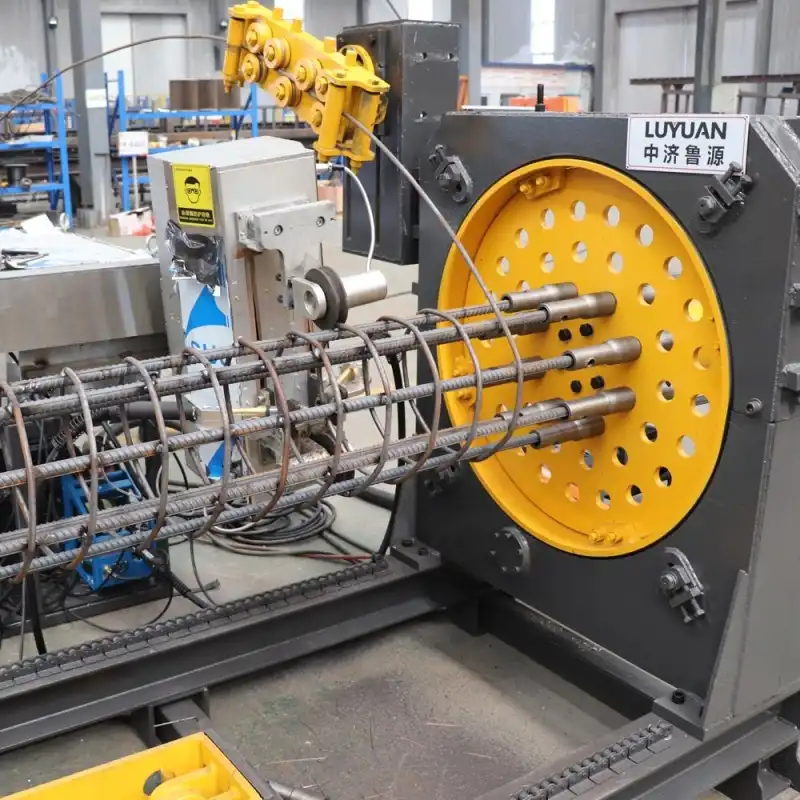
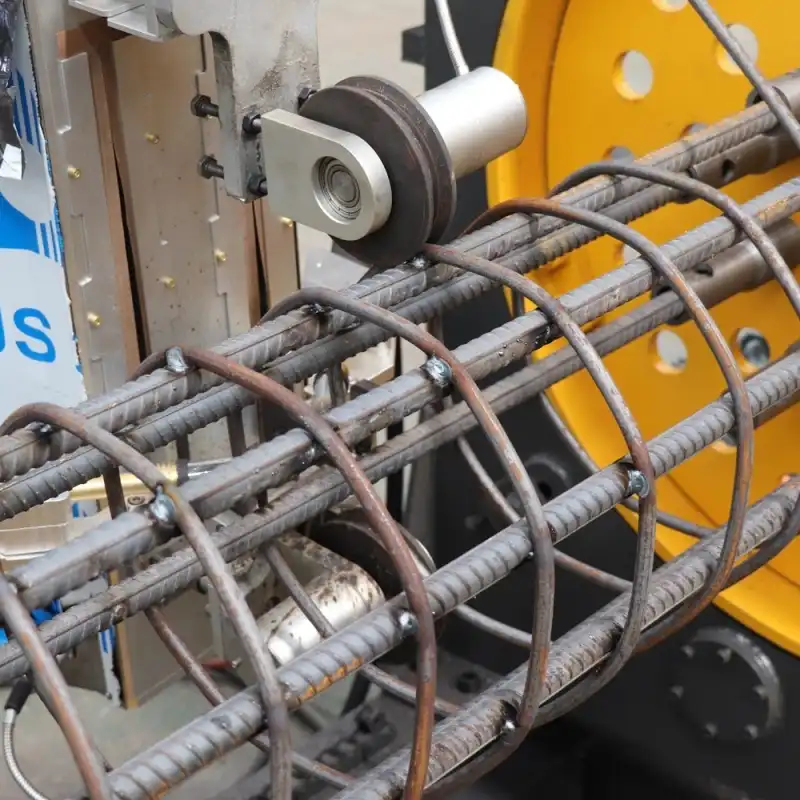
Automated reinforcement fabrication is a big change from manual processes that require a lot of work to industrial systems that are carefully controlled. The longitudinal main bars of these machines are turned while stirrup wire is wound around them at the same time. This makes uniform cage structures through continuous resistance or arc welding.
Core Technology and Machine Configurations
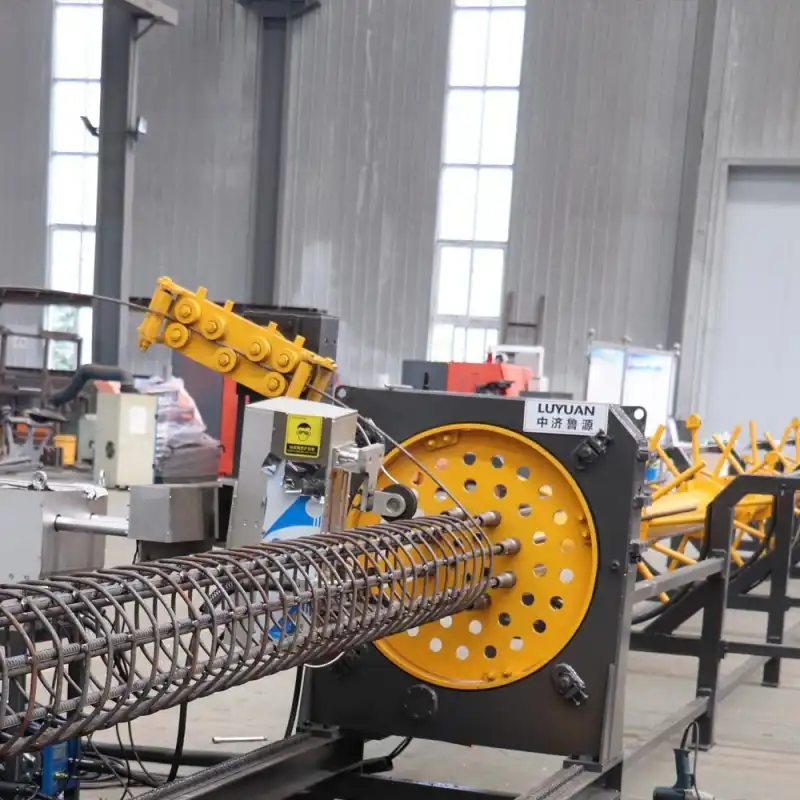
Coordinated mechanical movements controlled by CNC systems are what make the machine work. Longitudinal bars are attached to rotating chucks that keep the exact distance between them consistent throughout the welding process. The stirrup wire is fed and tense by a different device. It wraps around the rotating bars at set times. Along the rotation axis, welding heads fuse each place where two pieces meet, making lasting joins that can hold the required load.
Fully automatic models take care of the whole manufacturing process, from loading the raw materials to releasing the finished cage. Touchscreen screens let operators enter measurements, and the machine does all the work without any help from the operator. Semi-automatic models need help from an operator to place the material or remove the cage. They have lower initial costs but maintain the same level of weld quality. Stationary industrial lines are better for high-volume production facilities, while portable versions are better for smaller operations or manufacturing on-site.
Advantages Over Manual Fabrication Methods
When cages are tied by hand, skilled workers use tie wire to connect the points where the bars meet, which can lead to differences in joint strength and spacing. Even crews with a lot of experience find it hard to keep the dimensions within acceptable ranges when building cages with diameters over two meters. With programmable settings that repeat specs over thousands of production cycles, automated systems get rid of these problems.
Speed gains with a cage welding machine are just as appealing. Depending on how complicated the job is, manual teams might finish three to five cages per shift. In the same amount of time, automated equipment can make fifteen to thirty similar units. This speeding up directly leads to shorter project schedules and less need for staging areas. Also, better use of materials happens because exact wire feeding cuts down on waste compared to cutting and tying by hand, which creates a lot of scrap.
Quality control stops being a separate step and becomes part of the industrial process. Each weld gets the same amount of energy, so there are no weak joints that hurt the performance of the structure. Dimensional accuracy stays within narrow ranges, making sure that cages fit correctly inside forms and keep the right amount of concrete cover. These quality benefits cut down on the costs and delays in field installation that come with projects that depend on hand-made components.
Probably the biggest economic benefit is the drop in the cost of labor. As experienced teams leave the workforce, infrastructure companies across North America are having a hard time finding and keeping skilled reinforcement workers. Using automated systems only needs a short amount of training—usually just one or two days—while learning how to tie knots by hand can take months or even years. This makes it easier for more people to find work, which lowers the wage pressures that come with having specialized skills.
How to Choose the Best Cage Welding Machine for Your Wire Mesh Production Needs?
To choose the right fabrication equipment, you need to carefully compare its technical abilities to the needs of the project. Structured assessment frameworks that balance performance requirements with long-term operational issues are helpful for procurement teams.
Production Capacity and Speed Requirements
The throughput ability should match the expected amount of the project, not the theoretical peak output. Equipment managers need to be honest about how many cages their projects need every day, taking into account differences in diameter, length, and reinforcement density. A company that builds highway bridges might need steady production of twenty-meter pile cages, while a company that makes precast pipes might need fast cycles of shorter, smaller units.
Welding speed specs tell you how fast machines finish each cage. They are usually given in meters per minute of longitudinal bar handled. Total cycle time, on the other hand, includes loading materials, setting up the program, and emptying the cage, all of which have a big effect on real-world productivity. More correct data for capacity planning comes from looking at whole cycle times instead of just welding speeds.
Equipment Durability and Maintenance Requirements
When commercial infrastructure projects are finished, they create tough working conditions that test the reliability of equipment. In processing centers, machines may work two or three shifts a day for years, putting together a lot of hours that show where weaker systems were designed. Heavy-duty building needs parts that are strong enough to handle constant vibration, hits from moving materials, and exposure to the environment.
Accessibility for maintenance has a direct effect on uptime percentages, which in turn determine how much production is available. Wear parts like welding tips, wire guides, and rotation bearings are easy to get to in systems that are well-designed. Quick-change features cut down on service times, so repair can be done during normal shift changes instead of waiting for long periods of time. The specifications for buying something should make it clear how long important parts are supposed to last and how often they should be replaced under normal operating conditions.
Automation Level and Control Systems
The level of sophistication of CNC controls changes a lot between types of tools. For operations that only make small changes to the product, basic models let you enter the cage size and stirrup spacing by hand. Touchscreen interfaces and recipe storage in more advanced systems make it easy for operators to quickly access frequently used configurations. The most advanced platforms connect to corporate production management systems, which lets scheduling be organized and output across multiple machines be tracked in real time.
When technical leaders look at control systems for a cage welding machine, they should check how flexible the programming is for dealing with cages that don't have normal shapes. Sometimes, complicated projects need special plans for reinforcements that can't be done with normal programs. Systems that let users set settings and make their own programs can meet the needs of a wide range of projects without needing to be reprogrammed at the workshop.
Supplier Credentials and After-Sales Support
More than just looking at the specs of the equipment, choosing a vendor also means looking at their technical support and how quickly they can respond to service requests. Buying construction equipment is more of a long-term partnership than a one-time purchase. Checking a supplier's past work with similar-sized clients can give you an idea of how good their post-installation support is.
Well-known manufacturers keep up regional service networks that can be used right away to fix technical problems. To make sure the deployment goes well, installation support should include commissioning on-site, training for operators, and help with the first production run. In-house expert teams can handle regular service needs with the help of detailed paperwork like repair manuals and catalogs of spare parts.
The warranty terms should be carefully read, especially the part about how long the service lasts and what parts are included. For mechanical systems, standard warranties usually last for one year. For electrical parts, they last for longer, but the length of the warranty depends on the manufacturer. For businesses that need to make sure their equipment is always up and running, extended warranty options and preventative maintenance contracts may save them money.
Maintenance and Safety Best Practices for Optimal Performance
Maintaining the performance of tools over its entire useful life requires strict safety rules and organized repair plans. When production managers use structured service schedules, their uptime percentages are much higher than when operations don't do routine maintenance.
Routine Maintenance Procedures
Before production starts, daily checks should make sure that the spinning bearings and wire feed devices are properly oiled. Operators need to check the condition of the welding electrodes and replace any worn tips that cause joints that don't fit together properly. By looking at hydraulic lines and electrical links visually, you can spot problems before they become major. Most unplanned downtime can be avoided with these short pre-shift checks, which usually take fifteen to twenty minutes.
During weekly repair intervals, the wire guide tubes are cleaned thoroughly because steel particles build up in them and cause feeding problems. Calibration of the tension system makes sure that the stirrup is always tight across production runs. Control system diagnostics check that sensors are working and find any new electrical problems that need to be fixed.
Parts should be thoroughly inspected by trained technicians every month as part of routine repair plans. Measurements of bearing play, motor power, and hydraulic pressure can find wear trends that show when parts need to be replaced. Keeping track of these data over time lets predictive maintenance plans make changes to parts during planned breaks instead of having to fix problems as they happen.
Essential Safety Protocols
Automated welding systems have a lot of electrical dangers, pinch points, and moving parts that need strict safety rules. Machine guards must stay in place while the machine is running, and interlocks must be used to keep people from getting into dangerous areas while the machine is running. Override defeats weaken operator protection and should immediately lead to consequences under safety rules at work.
Safety glasses, steel-toed shoes, and hearing protection in noisy places are all required pieces of personal protective equipment. People who work near welding areas need to wear the right gloves and clothes that won't catch fire. Lockout-tagout procedures for maintenance work and emergency stop points that can be reached from all operator positions should be emphasized in training programs.
Regular safety checks by trained staff for a cage welding machine find gaps in procedures and problems with tools that need to be fixed. Keeping detailed records of incidents, even ones that were close calls, shows trends that help guide steps to avoid them in the future. Creating a mindset of safety where workers feel able to stop work when there are risks saves workers and lowers the risk of not following the rules.
Real-World Applications and Case Studies in Wire Mesh Manufacturing
Beyond its traditional use in construction, automated cage fabrication technology has many other uses in different industries. Knowing about these different use cases helps buying teams find chances to buy tools that will pay off in a big way.
Infrastructure Construction Applications
One of the most difficult uses for precision cage fabrication is in the building of high-speed railroads. Bridge pier foundations that hold up elevated tracks need huge reinforcement cages that are sometimes more than three meters across and thirty meters long. These buildings have to be able to withstand the force of earthquakes while also staying very vertical. A major transit authority on the West Coast just finished expanding a commuter train line. To meet tight building schedules, automated cage production was key. The builder said that automated equipment cut the time it took to make the foundation cage by 60% compared to using human methods. This directly allowed the project to be finished on time, even though site logistics were difficult.
For subway systems to build tunnels, segmental lining cages must be made quickly. These cages hold the structure inside bored tubes permanently. For these support pieces to fit correctly inside precast concrete parts, they need to have exact shapes. Over the course of eighteen months, automated welding systems were used to build over 8,000 tunnel segment cages for an urban transit project in the Midwest. The equipment's constant accuracy in measurements got rid of fit-up issues that had been common in earlier attempts to make the parts by hand. This cut the rate of section rejection from 12% to less than 2%.
Industrial and Agricultural Applications
The quality of the reinforcement cages is very important for making precast concrete pipes. For storm sewers and sanitary collection networks, municipal drainage systems require reinforced concrete pipe. This is because the structure must be able to withstand backfill loads and traffic impacts. A major pipe manufacturer in the Southeast has several automated cage lines that make cylinder-shaped reinforcements for pipes with diameters from 24 to 144 inches. Production data from their operations shows that automated fabrication cut the cost of labor per unit by 75% and made the welds more consistent in ways that manual methods couldn't.
Welded wire mesh panels are used in agricultural fences and containment systems to keep animals and crops safe. Lighter-gauge wire is used in these uses compared to structural building, but high production numbers require fast automatic fabrication. A company that makes wire products for the farming market put in automatic welding systems that raised the daily production of panels from 800 to 2,400 units while lowering the number of defects by a large amount. The better quality cut down on customer returns and helped the company's reputation in channels of distribution that are competitive.
Market Trends and Future Prospects of Cage Welding Technology
Manufacturing technology is changing quickly because of trends toward digitalization and the need to be more environmentally friendly, which are changing the way industries around the world make things, and a cage welding machine is part of this evolution. Knowing about these changes helps people who buy equipment make business choices that look to the future.
Automation and Industry 4.0 Integration
Modern manufacturing systems have more and more sensors and connections that let them be monitored and analyzed from afar. Through cloud-based tools, production managers can see real-time performance measures like cycle times, material use, and quality markers. These features help with making decisions based on data, which improves speed and makes the best use of work schedules.
Predictive repair programs look at how the equipment is used to figure out when parts will break before they do. Vibration monitors find patterns of bearing wear, and current tracking finds signs of motor damage. These systems send out maintenance alerts automatically, so technicians can schedule service for planned downtime instead of having to deal with breakdowns that happen out of the blue. People who were early users say that predictive maintenance cuts unexpected downtime by 20 to 30 percent.
Sustainable Manufacturing Practices
As construction companies are put under more pressure to reduce their carbon footprints, environmental concerns are becoming more important when they buy equipment. Modern welding systems have drives that use less energy and optimized welding processes that use the least amount of electricity per cage made. Some manufacturers have cut the energy used by 40% compared to older generations of equipment by making motors more efficient and using smart power management.
Cutting down on material waste is another area of focus for sustainability. Precise wire feeder mechanisms and optimized cutting algorithms reduce the amount of scrap that is made. This lowers the cost of raw materials and the amount of trash that ends up in landfills. Some businesses have set up closed-loop recycling systems that collect old wire to be melted down again, which is even better for the earth.
Customization and Flexible Manufacturing
Because projects are different, the equipment needs to be able to handle different requirements without needing to be reconfigured a lot. Modern control systems can now quickly switch between product types and store hundreds of cage recipes that can be accessed through simple tablet commands. Because of this, processing centers can serve more customers with different needs, which increases the rate at which their assets are used.
Modular machine designs let you add more space as your business grows. Manufacturers make systems that let you add more welding heads or longer bed lengths to equipment that you already have. This protects your initial capital investments and allows for growth. This scalability is especially helpful for businesses that are growing but don't know what their long-term growth forecasts will be.
Conclusion
Infrastructure contractors and wire mesh manufacturers that have to compete in markets that value quality over time need automated cage welding systems more than ever, and a cage welding machine is the key to this capability. The technology gives measured improvements in production speed, accuracy of dimensions, and labor efficiency that have a direct effect on how profitable a project is and how well it stands in the market. When purchasing equipment, teams should give more weight to suppliers that can show they are reliable, offer full expert support, and make sure their products meet specific operating needs. As the need for building grows and trained workers become harder to find, the strategic value of automated manufacturing will only rise. When businesses spend money on strong, well-supported welding systems, they set themselves up to take advantage of market opportunities and build operational resilience for long-term success.
FAQ
What operational lifespan can we expect from industrial welding equipment?
When maintained according to the manufacturer's instructions, high-quality automated systems usually work well for fifteen to twenty years. Heavy-duty parts in professional-grade tools can handle the constant use that is needed in manufacturing and building. Regular upkeep is very important for life because equipment that isn't taken care of wears out faster, which can cause parts to break early. Many operators say that equipment stays useful for well over twenty years if repair methods are followed and parts are upgraded on a regular basis.
Can these machines handle different wire diameters and cage sizes?
The wire diameter ranges for most industrial models are between 4mm and 16mm for longitudinal bars and between 3mm and 12mm for stirrups, but the exact ranges depend on the manufacturer. The diameter of a cage can be anywhere from 300 mm to 3000 mm, and the length can go up to 30 meters on some models. Adjustable parts make it easy to switch between size groups quickly and without having to do a lot of reconfiguring. Before buying tools, businesses that make a wide range of goods should make sure that the specs cover all of their dimensions.
How do automatic and semi-automatic models differ functionally?
Fully automatic systems handle adding materials, building cages, and releasing finished goods without any help from an assistant other than programming and keeping an eye on things. These machines are perfect for high-volume production environments because they can handle a lot of work with little help. Semi-automatic versions need workers to add materials or take away finished cages by hand. This lowers the cost of the equipment while keeping the quality of the welds consistent. Businesses that want to keep their capital costs as low as possible rather than go for full automation should use semi-automatic configurations.
Partner with Zhongji Luyuan for Advanced Cage Welding Solutions
Infrastructure builders and rebar processing sites that need reliable cage welding machine producers know about Zhongji Luyuan. Our CNC-controlled fabrication tools use smart control technology and tried-and-true mechanical design to give demanding uses the performance they need. Since we started in 2016, we've helped with big projects like high-speed rail, tunnel construction, and hydropower development. This experience gives us the knowledge to tell you what tools to buy.
Our engineering team works directly with project directors and equipment managers to design systems that meet the needs of the production and the limitations of the facility. We have options that are best for your work setting, whether you need portable units for fabrication on-site or high-capacity industrial lines for processing centers. Full technical support includes overseeing the installation process, training operators, and quick service help that lowers the risk of downtime.
Email our sales team at sales2@shandongluyuan.com to talk about the problems you're having making wire mesh. We'll give you detailed specs, performance data, and project references that show how our cage welding machine technology increases output while lowering costs. Visit zjly2025.aixdb.cn to see all of our products and get access to detailed information that will help you make smart choices about tools.
References
1. Chen, L., & Wang, M. (2021). Automation Technology in Reinforcement Cage Manufacturing for Infrastructure Projects. Journal of Construction Engineering and Management, 147(8), 04021095.
2. Davies, P. R. (2020). Advanced Welding Systems for Precast Concrete Applications. Concrete International, 42(11), 45-52.
3. National Precast Concrete Association. (2022). Quality Standards for Reinforced Concrete Pipe Manufacturing. NPCA Technical Report Series.
4. Rodriguez, E., & Thompson, K. (2023). Labor Productivity Improvements Through Automated Rebar Fabrication. Construction Research Congress Proceedings, 156-165.
5. Williams, J. A. (2021). Predictive Maintenance Strategies for Industrial Fabrication Equipment. Manufacturing Engineering Magazine, 166(4), 78-85.
6. Zhang, H., Liu, S., & Anderson, T. (2022). Sustainability in Steel Reinforcement Processing: Energy Efficiency and Waste Reduction. Resources, Conservation and Recycling, 178, 106042.