CNC Rebar Bending Machine Improves Fabrication Efficiency for Modern Construction Material Suppliers
Oct 14, 2026
A CNC rebar bending machine gives construction material suppliers a direct path to faster output, tighter tolerances, and lower labor costs. Modern automated rebar bending equipment processes steel bars ranging from 5 mm to 32 mm in diameter with angular precision of ±1°, replacing inconsistent manual methods. For infrastructure contractors, precast concrete factories, and rebar distribution centers operating under tight project schedules, this technology bridges the gap between production demand and workforce limitations. This article walks through how these machines work, how to choose the right one, and what procurement strategies deliver the best long-term return.
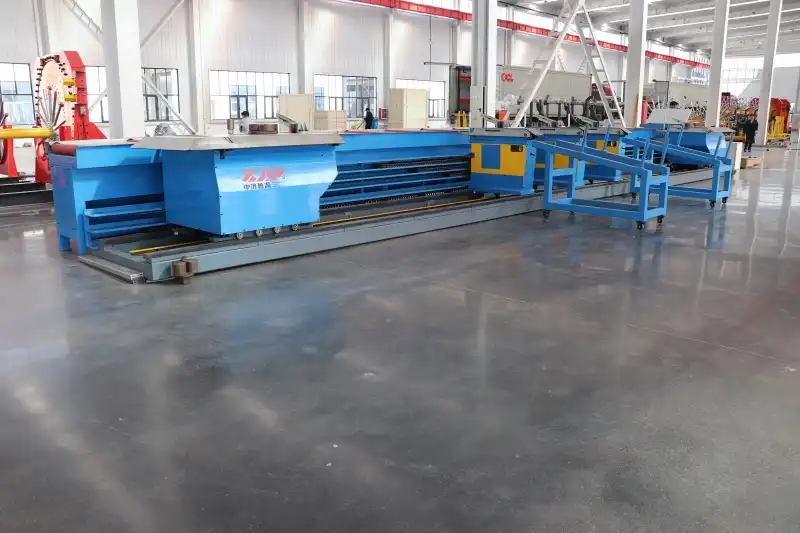
Understanding CNC Rebar Bending Machines and Their Role in Modern Fabrication
Core Technology and Main Components
A programmable logic controller (PLC), precise feeding rollers, hardened bending pins, and a high-torque servo drive system are the components of a CNC rebar bending machine. The servo motors can bend up to 180 degrees per second, and the PLC can store multiple bending codes so that jobs can be switched quickly. High-alloy tool steel is usually heated to HRC 58–62 to make feeding rollers and bending mandrels. This greatly increases the service life of these parts in environments where they are used 24 hours a day, seven days a week.
Machine Types: Portable vs. Stationary
Portable rebar benders are good for smaller job sites with limited space because they can handle diameters of up to 16 mm in double-wire mode. Heavy-duty stationary models can handle single-line rebar up to 32 mm and can handle higher production. Fixed CNC stirrup bending machines with automatic fixing and cutting systems are the standard for big building projects like bridges, tunnels, and metro lines. The right type relies on the size of the job, the range of rebar diameters, and the daily output needs.
Advantages Over Manual Bending
When you turn something by hand, the angles aren't always the same, which means you have to do more work and waste more material. For a production run of 500 units, CNC automation keeps tolerances within ±2 mm, which is a standard way for the industry to check the quality of the work. One CNC operator can handle the same amount of work as four to six human workers, which directly cuts down on labor costs. As part of routine upkeep, the straightening rollers are inspected, oiled, and the encoders are calibrated. This keeps downtime to a minimum and output steady.
How CNC Rebar Bending Machines Solve Efficiency Challenges in Construction Material Fabrication
The Real Cost of Manual Methods
When rebar is made by hand, there are three problems that can be measured: changing bending angles, low throughput, and a need for a lot of skilled labor. The American Institute of Steel Construction says that about 60% of the cost of making structural steel and rebar work is labor. When there aren't enough skilled workers or a lot of them leave, production schedules get pushed back. Automated equipment for bending reinforcements gets rid of this need by repeating pre-programmed steps without lowering the quality.
Measurable Efficiency Gains
In real life, automatic rebar processing leads to the following main speed gains:
- Cycle time reduction: CNC stirrup benders achieve processing speeds of up to 110 m/min, compared to roughly 15–20 m/min for manual teams, cutting fabrication time by over 70% on standardized shapes.
- Material waste reduction: Automatic spring-back compensation in the CNC software corrects for steel elasticity, reducing scrap rates by approximately 8–12% per production run.
- Labor cost savings: Facilities replacing manual bending with CNC equipment typically report a 40–50% reduction in direct labor costs within the first operating year.
You can see that these improvements mean shorter project delivery windows and higher profits for both suppliers and contractors.
Industry Application: Bridge and Metro Construction
Large-volume stirrups made by CNC rebar bending tools for high-speed rail bridge pier production must meet earthquake load requirements without dimensional variation. When building metro tunnels, heavy CNC rebar bending machines bend high-strength rebar into many different shapes quickly and accurately, making it impossible for people to do the work by hand. Automated bending lines in precast concrete factories make standard modular housing parts. This makes sure that every piece goes perfectly into pre-poured molds and cuts down on mistakes that happen during assembly on-site.
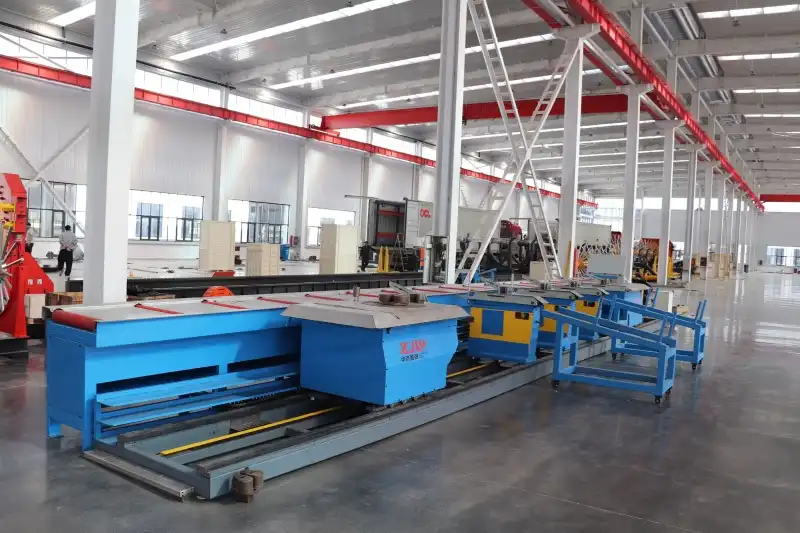
Choosing the Right CNC Rebar Bending Machine: A Decision-Making Guide for B2B Buyers
Assess Your Fabrication Requirements First
Before comparing equipment models, procurement managers should write down daily output goals, the range of rebar diameters that are needed, the shapes that need to be bent, and the amount of floor space that is available. It's not the same for a project that makes 2,000 stirrups every day as it is for a delivery center that makes 10,000 pieces every shift. Matching the capacity of a machine to its real task stops both underutilization and production bottlenecks.
Key Technical Specifications to Evaluate
Before buying CNC strengthening bending tools, pay attention to the following things when you're looking at it:
- Processing diameter range: Confirm the machine handles both your minimum and maximum rebar sizes within a single setup.
- Bending angle accuracy: Look for angular precision of ±1° and dimensional tolerance within ±2 mm across long production runs.
- Control system quality: Advanced PLC interfaces with real-time monitoring, spring-back compensation, and stored program libraries reduce operator error and job changeover time.
- Energy consumption: Servo-driven models consume significantly less power than traditional hydraulic variants, lowering operating costs over the equipment's lifespan.
These features have a direct effect on the total cost of ownership, not just the price of the car.
After-Sales Support and Supplier Reputation
It costs a lot more than the price difference between suppliers for a machine to break down in the middle of a project. Check with providers to see how quickly they can help with technical issues, if they have OEM extra parts in stock, and if they offer on-site installation and training for operators. References from similar infrastructure or precast operations that have been checked out are more reliable than marketing materials. Equipment that works in regulated project settings must have CE certification and meet the production standards of ISO 9001.
Procurement Strategies for Acquiring CNC Rebar Bending Machines
New vs. Used Equipment Considerations
When you buy new CNC equipment to work with rebar, it comes with a full warranty, the latest control software, and help from the maker. Even though used CNC rebar bending machines may be cheaper up front, there is a chance that the bent mandrels, straightening rollers, and computer control parts will wear out. For continuous, high-volume production settings, new equipment usually gives a better long-term return on investment (ROI) because it needs less upkeep and is up more of the time.
Supplier Evaluation Checklist
Before signing a purchase agreement, make sure the following about the supplier:
- CE certification for electrical safety compliance and ISO 9001 for manufacturing consistency
- Documented 48–72 hour continuous load testing results for the specific model
- Availability of OEM replacement parts for high-wear components such as cutting blades and bending pins
- On-site commissioning support and structured operator training programs
All of these things are true for Zhongji Luyuan Machinery Co., Ltd., which was founded in 2016 with 50 million yuan in fixed capital. China Railroad, China State Construction, and China Communications Construction buy automatic rebar processing systems from this company. The company also sells its products in almost 100 other countries, such as South Korea, Malaysia, Thailand, and Israel. They have a technical team that makes configurations that are specific to each job, and they also have a network of people who help customers after the sale.
Financing and Maintenance Contracts
Long-term maintenance contracts that include regular checks, roller replacement rounds, and software changes keep equipment running during a project that lasts more than one year. Along with the initial equipment price, when looking at funding choices, you should also think about the total cost of ownership, which includes things like energy use, spare parts, and service costs.
Future Trends and Innovations in CNC Rebar Bending for Construction Suppliers
IoT Connectivity and Real-Time Monitoring
IoT-enabled rebar bending systems send real-time production data to central management platforms, such as the number of bends, the number of errors, and the motor load. With this level of visibility, operations managers can spot drops in performance before they turn into costly stoppages. Servo motors with built-in smart diagnostics can be warned of strange sound patterns or temperature spikes, so they can be serviced regularly instead of needing emergency repairs.
AI-Assisted Programming and Predictive Maintenance
CNC control systems with AI can automatically make bending programs from CAD design files. This cuts the time it takes to program from hours to minutes. Predictive maintenance algorithms look at past performance data to guess how long a part will last. This lets procurement teams order new parts ahead of time and plan breaks for times when demand is low instead of when production is high.
Industry 4.0 Integration for Rebar Fabrication Centers
More and more, rebar processing centers have CNC bending lines that work with automatic material handling, barcode tracking, and connecting to ERP systems. This complete digital process cuts down on mistakes made by people when managing orders, makes sure that inventory is correct, and gives project managers real-time information on the progress of fabrication. When suppliers put money into these unified systems, they set themselves up to compete for the next round of big infrastructure jobs.
Conclusion
Today's makers of building materials are under a lot of pressure to make correct, large amounts of rebar in shorter amounts of time. CNC rebar bending machine equipment directly addresses this issue with its servo-driven accuracy, programmable automation, and long-lasting build that is made to work 24 hours a day, seven days a week. Finding the right machine starts with making sure that the technical specs meet the needs of the project and that the seller has the right certifications, extra parts, and a real commitment to customer service after the sale. Investing in capable, upgradable equipment now prepares fabrication operations for the needs of tomorrow's infrastructure projects. This is because IoT integration and AI-assisted programming are becoming commonplace.
FAQ
1. How often should a CNC rebar bending machine receive scheduled maintenance?
Standard maintenance times vary on how much is being made, but most makers suggest checking the lubrication every day, inspecting the straightening rollers and bending pins every week, and doing a full service review every 500 hours of operation. Hardened parts with an HRC rating of 58 to 62 usually need to be replaced after a lot of high-volume rounds.
2. What is the practical difference between portable and stationary CNC bending machines?
You can use portable units on smaller job sites, and they can handle rebar up to about 16 mm in double-wire mode. Stationary models can handle single-line rebar up to 32 mm and can keep making a lot of things for bridges, tunnels, and precast factories.
3. Can one machine handle multiple rebar diameters and bending shapes in the same production run?
Yes, modern CNC control systems can store many bending programs and allow changes in width by letting you change the settings for the moving rollers. This means that production teams can quickly switch between different stirrup forms, hook setups, and custom profiles during the same shift.
4. What quality tests should buyers require before accepting equipment delivery?
Buyers should ask for a Continuous Bending Accuracy Test on 500 units, a 48–72 hour continuous load test at full capacity, proof of servo alignment, and an ISO 13849 safety interlock check to make sure the product meets all requirements.
Partner With Zhongji Luyuan for Your Next CNC Rebar Processing Project
Major building contractors in almost 100 countries trust Zhongji Luyuan Machinery Co., Ltd.'s tried-and-true CNC rebar bending machine options. We help you reach your production goals from installation to long-term use with ISO 9001-certified manufacturing, personalized equipment setups, and a helpful after-sales service team. To get product advice and find the best Cnc rebar bending machine provider for your project, contact our team at sales2@shandongluyuan.com today.
References
1. American Institute of Steel Construction (AISC). Steel Construction Manual, 16th Edition. AISC, 2023.
2. International Federation for Structural Concrete (fib). fib Model Code for Concrete Structures 2010. Ernst & Sohn, 2013.
3. Construction Industry Institute (CII). Prefabrication and Preassembly: Trends, Current Assessment, and Research Needs. University of Texas at Austin, 2012.
4. American Concrete Institute (ACI). ACI 318-19: Building Code Requirements for Structural Concrete and Commentary. ACI, 2019.
5. International Organization for Standardization. ISO 13849-1:2015 — Safety of Machinery: Safety-Related Parts of Control Systems. ISO, 2015.
6. McKinsey Global Institute. Reinventing Construction: A Route to Higher Productivity. McKinsey & Company, 2017.