Electric Rebar Bending Machine Improves Rebar Preparation Efficiency for Local Construction Contractors
Oct 15, 2026
An electric rebar bending machine is one of the most practical investments a construction contractor can make today. These electromechanical or electro-hydraulic tools cold-bend reinforcing bars to precise angles between 0° and 180°, replacing slow manual methods with consistent, repeatable results. For local contractors managing tight schedules on highways, bridges, metro systems, or commercial buildings, this equipment directly reduces labor dependency, cuts material waste, and keeps production moving. According to industry data, automated bending equipment can reduce rebar preparation time by up to 60% compared to manual processes — a number that matters on every job site.
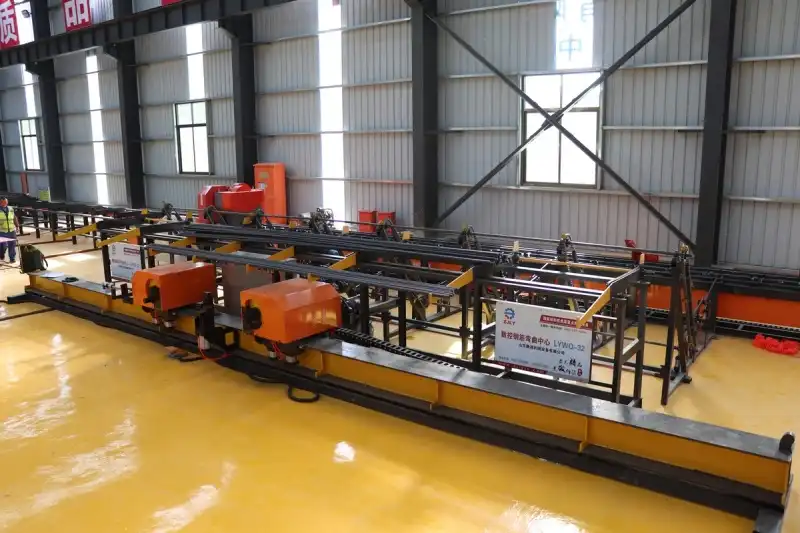
Understanding Electric Rebar Bending Machines and Their Role in Construction Efficiency
What This Equipment Actually Does
A high-torque electric motor and a hydraulic piston device work together in a reinforcement bar bending machine to put controlled force on a steel bar. The end result is a straight, clean bend with no micro-fractures, heat treatment, or geometry errors. Most machines can work with rebar diameters ranging from 6 mm to 32 mm, which is enough for most industrial and building projects' structural needs.
Key Technical Specifications to Know
Portable units usually have power levels between 800W and 1,600W, and they can work with either 110V or 220V electricity, which is useful for U.S. job sites. The time it takes to bend something is usually between 2.5 and 5 seconds, and the accuracy of the bend is kept to ±1 degree. Please note that these numbers are not made up; they show how CNC-controlled bending equipment really works in both production lines for precast concrete and in the field.
How Efficiency Gains Translate Onsite
When a crew doesn't have to bend stirrups by hand, operator fatigue goes down, rework goes down, and the rate at which rebar cages are put together speeds up significantly. Equipment-driven rebar preparation cuts the amount of work needed to process one ton of steel by 40–55%, according to studies on construction productivity. For contractors taking on jobs with low profit margins, this difference has a direct effect on their ability to make money.
Comparing Electric Rebar Bending Machines to Traditional and Alternative Solutions
Electric vs. Manual Bending Methods
When someone bends something by hand, they need to use physical force, a hand tool, and skill, all of which can be different. Consistency in angles depends on experience, and the speed of production is limited by how long people can work. Electric types get rid of both of these factors. In the same amount of time, an electric unit run by a single person can do what a three-person manual crew can do.
Electric vs. Hydraulic Machines
Heavy-duty hydraulic electric rebar bending machines need to have their ISO VG46 hydraulic oil changed every three to six months, their seals checked for integrity, and other more complex maintenance tasks done on a regular basis. Most of the time, electric types with direct-drive systems need less regular maintenance. Contractors who want to cut down on overall costs without losing bending performance should look at electric units.
Portable vs. Stationary Units
Portable electric benders give you more options than stationary machines. A portable electro-hydraulic unit can work right where the work is, like in bridge construction, tunnel reinforcement, or high-rise frame restricted column zones. It doesn't need its own processing bay. For high-volume processing centers that care most about output per hour, stationary tools are still the best choice.
Selecting the Best Electric Rebar Bending Machine for Local Construction Needs
Capacity and Angular Precision
Before you buy, compare the machine's rated width ability to the size of the rebar that you usually use. Most standard machines can handle ASTM A615 Grade 60 rebar. If your job calls for Grade 75 material, make sure that the highest tensile strength of the equipment can handle that grade. If it can't, the head block could break under load.
Automation Level and Control Systems
With CNC-controlled bending tools, workers can pre-program more than one bend sequence, which cuts down on the time needed to set up each type of bar. Just this feature can greatly boost daily output for workers who work with prefabricated building or modular wall production. For quick field maintenance, look for machines with external brush ports. The control panel should also have functions for overload protection and emergency stop.
Supplier Reliability and After-Sales Support
A machine is only useful if it has something to back it up. Check to see if the supplier has the parts you need, how quickly they can fix technical problems, and if they offer commissioning support. For example, Zhongji Luyuan offers organized after-sales service that includes user training, installation help, and technical support. These things protect your investment long after you've bought the product.
Ensuring Longevity and Safety: Maintenance and Operation Best Practices
Routine Maintenance Tasks
Maintenance is what makes the difference between a machine that lasts ten years and one that breaks down in the middle of a project. Here are the key maintenance steps that every operator should take:
- Hydraulic oil checks and replacement: Change ISO VG46 hydraulic fluid every 3–6 months based on usage intensity. Low oil levels are the primary cause of piston failure.
- Lubrication of bending rollers and head blocks: Moving mechanical components require regular grease application to prevent premature wear on surfaces rated HRC 45–50.
- Seal and leakage inspection: High-pressure seals should be tested periodically for integrity, especially after operating in high-temperature environments where thermal expansion stresses the system.
Most unplanned downtime events that cause building schedule delays can be avoided by constantly following these steps.
Cold Weather Operating Procedures
When the temperature is low, the viscosity of hydraulic fluid goes up, which makes the electric rebar bending machine move more slowly. Running a few no-load cycles before starting production work is the right thing to do. This warms up the oil and keeps the flow steady. During the winter, operators in the northern U.S. should make this warm-up practice a daily part of the starting process.
Operator Safety Protocols
Before they can run the tools on their own, each user should get hands-on training. There are safety features like emergency stop buttons, two-hand activation controls, and overload cutoffs that are meant to keep people from getting hurt, but they only work if the people who use them know what to do. Every processing station should have clear signs, written-down procedures for shutting down, and requirements for personal protective equipment.
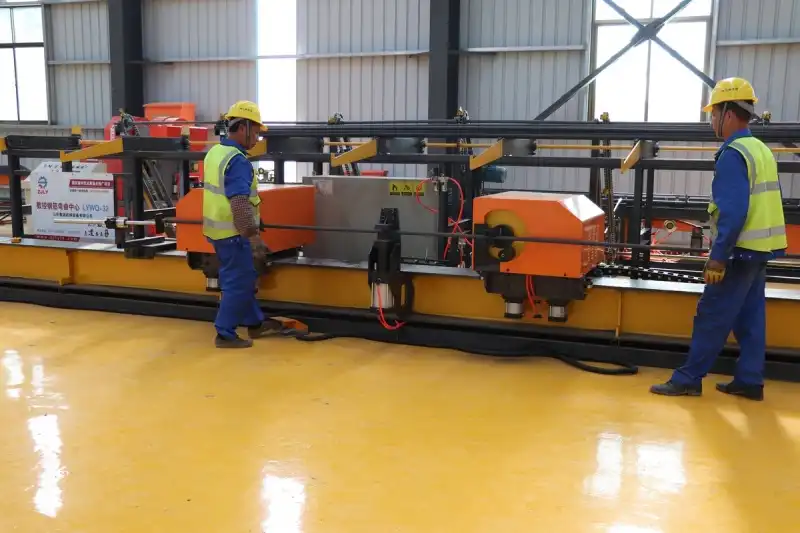
Procurement and Supply Chain Guidance for Local B2B Buyers
New vs. Used Equipment Decisions
New equipment from a licensed maker comes with a guarantee, up-to-date technical specs, and the ability to get real replacement parts. Used machines may be cheaper up front, but there are risks that come with their wear and service history. For contractors who do a lot of work or production that never stops, the dependability of new tools usually makes the investment worth it.
Evaluating Suppliers Before Purchase
A good electric rebar bending machine provider should have project examples that can be checked, a clear warranty policy, and a service network that can be reached quickly. Zhongji Luyuan has built long-term partnerships with important building companies like China Railroad, China State Building, and China Communications Construction. Their products are sold in over 100 countries and regions. That much experience in the field shows that they can really make and service things.
Logistics and Total Cost of Ownership
When you compare quotes from suppliers, you should think about shipping wait time, installation support, and training costs. It's possible for cheaper equipment that doesn't come with any help with setting it up to cost more in the long run due to operator error and delayed startup. To get a good idea of how much it will cost to own all of the tools, procurement managers should ask for specific service agreements along with price quotes.
Conclusion
Not only is switching from manual rebar bending to electric equipment a better way to do things, but it is also a direct answer to rising labor costs, tighter project schedules, and higher standards of accuracy in the U.S. building market. Local builders can get a clear production edge from an electric rebar bending machine that is built to CNC standards, rated for ASTM-grade steel, and backed by helpful supply support. The right bending equipment pays for itself in fewer work hours and less waste, whether you are in charge of a highway project, a metro rail contract, or a precast building.
FAQ
Q1: Can these machines handle different types of rebar?
Most common machines can work with ASTM A615 Grade 60 rebar that has a diameter of 6 mm to 32 mm. Before you start using Grade 75 rebar, you should check the machine's highest tensile strength. Standard head blocks might not be able to handle the extra force without breaking.
Q2: What causes the machine to run but the piston not to move?
Most of the time, this means that there is air in the hydraulic system or not enough oil in the tank. Most of the time, the problem can be fixed by bleeding the system or adding more hydraulic fluid. If the problem keeps happening, look for signs of cavitation at the pump's inlet.
Q3: Are these machines practical for smaller contractors?
Yes, portable electric units with lower power ratings (800W to 1,000W) are made for places with fewer people and smaller teams. They are just as accurate at angles as bigger tools, but they are still easy for one person to operate.
Q4: Why does the machine run slowly in cold weather?
In cold weather, hydraulic fluid hardens, which slows the piston's reaction and decreases the flow rate. Before production starts, running several no-load warm-up runs keeps the oil temperature stable and returns the speed to normal.
Q5: Are carbon brushes replaceable in the field?
High-quality machines have access ports on the outside of the brushes that let you change them without taking the machine apart. This design cuts down on maintenance downtime by a lot, which is something you should make sure of before you buy.
Partner with Zhongji Luyuan for Your Next Equipment Purchase
A lot of big building companies in almost 100 countries trust Zhongji Luyuan to make CNC rebar processing tools. We are a direct electric rebar bending machine maker with 50 million RMB in registered capital and a track record of successful projects. We offer reasonable prices, structured after-sales service, and custom designs for concrete, infrastructure, and rail transit applications. Get in touch with our team right away to get product details and prices. To begin, send an email to sales2@shandongluyuan.com.
References
1. American Concrete Institute. ACI 318-19: Building Code Requirements for Structural Concrete. American Concrete Institute, 2019.
2. Construction Industry Institute. Prefabrication and Modularization: Increasing Productivity in the Construction Industry. Construction Industry Institute, 2012.
3. ASTM International. ASTM A615/A615M: Standard Specification for Deformed and Plain Steel Bars for Concrete Reinforcement. ASTM International, 2022.
4. McGraw-Hill Construction. SmartMarket Report: Prefabrication and Modularization in Construction. McGraw-Hill Construction, 2011.
5. National Institute for Occupational Safety and Health (NIOSH). Ergonomics and Musculoskeletal Disorders in Construction. NIOSH, 2016.
6. Engineering News-Record (ENR). Equipment & Technology Report: Automation Trends in Rebar Fabrication. Engineering News-Record, 2023.