Electric Rebar Bending Machine Provides Energy-Efficient Solutions for Small and Medium Construction Projects
Oct 27, 2026
When project budgets are tight and jobsite space is limited, the right equipment makes all the difference. An electric rebar bending machine is a specialized electromechanical or electro-hydraulic tool designed to cold-bend reinforcement bars to precise angles between 0 and 180 degrees. Unlike manual or hydraulic alternatives, these machines run on electric motors rated between 800W and 1,600W, cutting energy consumption while maintaining ±1-degree bending accuracy. For small and medium construction projects across the United States, this translates directly into lower operating costs, reduced labor dependency, and more consistent structural output on every shift.
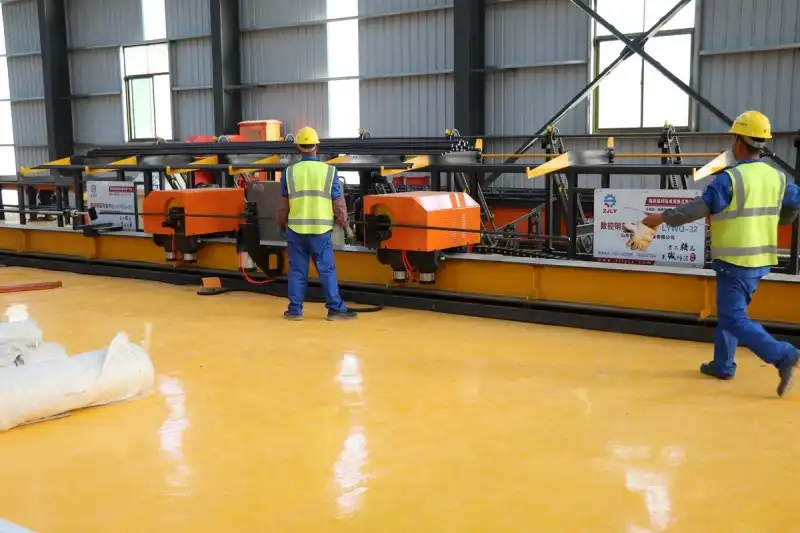
Understanding Electric Rebar Benders and Their Energy Efficiency
How Does the Motor System Drive Efficiency?
Any electric rebar bender depends on a copper-core motor to work. It is made to have a high resistance to heat even when it is constantly working. Most of the time, these portable machines run on 110V or 220V and can bend metal in 2.5 to 5 seconds per cycle. The motor only uses all of its power during the active bending stroke. When it's not in use, it doesn't use much power. This is a big plus over hydraulic systems that have pumps running all the time.
Power Ratings and Bending Capacity
Because of the power of its motor, the machine can only work with certain types of metal. Many little electric benders can handle ASTM A615 Grade 60 rebar that is up to 25mm or 32mm across. Machines that work with Grade 75 rebar need more power and head blocks made of forged steel that has been hardened to HRC 45–50 so that they don't bend when they're under a lot of stress. When you match the power level to the exact rebar specs for your job, you keep the energy use from going too high or too low.
Compact Design for Varied Site Conditions
For the most part, small and medium-sized projects don't have enough floor space for a central manufacturing yard. With their handles, electric benders are easy to move from one work area to another. They are also much lighter than hydraulic benders. Because they are small, they can go places that a stationary industrial bender can't, like under bridge decks, on narrow floor slabs, and in utility passageways below ground.
Why Electric Rebar Benders Are Ideal for Small and Medium Projects
Addressing Budget and Labor Constraints
In the United States, the cost of work in building is always going up. In 2023, the U.S. Bureau of Labor Statistics found that the average hourly wage for people working in the construction trades was more than $36. One person can work on bars that used to need two people with an electric rebar bender. This lowers the direct cost of labor for each ton of steel that is worked on. For a medium-sized business contractor with a six-month plan, that money saved adds up fast.
Portability and Automated Controls
Electric benders are a good choice for smaller project teams because they are easy to use in the ways below:
- Lightweight portability: Most models weigh between 15 kg and 35 kg, allowing a single worker to carry and position the machine without a crane or forklift.
- Preset angle memory: Digital control panels store multiple bending programs, reducing setup time between different bar shapes such as stirrups, hooks, and spiral ties.
- Single-phase power compatibility: Operation on standard 110V site power eliminates the need for a dedicated three-phase electrical supply.
Portability is made possible by lightweight design: A crane or forklift is not needed to move or set up most types because they weigh between 15 kg and 35 kg.
ROI Evidence from Real Projects
A highway bridge subcontractor in the Midwest said that switching from hand-bending to an electric rebar bending machine cut the time needed to work with rebar by 28% on a pier cap job. Processing got faster enough that there was no longer a need for one full day of rework every week. Automatic rebar handling can cut waste by 5–10% because it makes it easier to control the sizes of the pieces.
Comparison: Electric Benders vs. Manual and Hydraulic Types
Electric vs. Manual Bending
Manual pipe and rebar benders rely entirely on operator force, which introduces angle variation and accelerates worker fatigue during high-volume shifts. Electric models remove the physical effort from the equation. The result is faster throughput, consistent geometry, and a safer work environment — particularly important when processing high-tensile Grade 60 bars where manual force alone becomes impractical.
Electric vs. Hydraulic Benders
Hydraulic benders deliver high clamping force for heavy-diameter rebar but carry notable trade-offs. The ISO VG46 hydraulic oil they require must be replaced every 3–6 months to prevent pump cavitation, and cold weather increases fluid viscosity enough to slow performance until the system warms up. Electric benders sidestep these maintenance demands entirely. They also eliminate the risk of hydraulic fluid leakage on sensitive job sites such as bridge decks over waterways or indoor commercial floors.
Choosing the Right Type for Your Project
B2B procurement teams evaluating rebar processing equipment for small and medium projects should weigh three factors: the maximum rebar diameter on the project, the availability of electrical supply at the site, and the expected daily processing volume. Electric benders cover the majority of small-to-medium project requirements efficiently, while heavy industrial benders remain better suited for large-diameter, high-volume fabrication yards.
Maintenance, Safety, and Troubleshooting
Routine Maintenance That Protects Energy Efficiency
A simple set of steps is all that's needed to keep an electric bender in good shape. It's easy to change the carbon brushes on high-quality machines because they have brush holes on the outside. Motor protection should be checked often to keep both the tools and the person using it safe. This is very important outside when it's wet. The surface wear on the bending rollers and head blocks should be checked after each major step of a project.
Operator Safety Protocols
People who work with rebar need to wear the right safety gear, like steel-toed shoes, gloves, and safety glasses, when operating an electric rebar bending machine. Users need to check that the bent pin and head block are in the right place before starting any turn. Don't use the machine to bend rebar that is wider than what it can handle. If you do that, the head block might break, or the machine might stop working all of a sudden.
Troubleshooting Common Issues
When the motor turns on, but the turning motion stops, it's usually because there is air in the hydraulic circuit or not enough oil. This problem can be fixed right away with an easy bleed process or oil top-off. If a machine slows down in cold weather, it needs to be warmed up several times without being used before it can start making things. If you fix these issues quickly, there will be less downtime and the same amount of energy used.
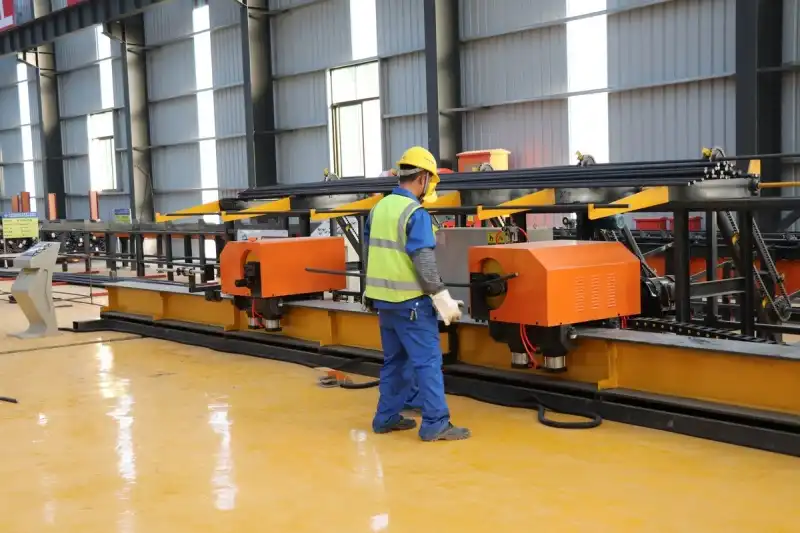
Procurement Guide: How to Choose the Right Machine?
Define Your Project-Specific Requirements
Check first to see what grades of rebar and largest diameters you will need for your project. Most industrial building and infrastructure work in the U.S. can be done with a machine that can handle 25mm Grade 60 bars. Check the tensile strength number and head block hardness approval of the Grade 75 or 32mm rebar before you buy it for your project.
Evaluate Supplier Credibility and After-Sales Support
The supplier's track record is just as important as the machine specs when you're buying big-ticket items. Look for companies that have written down their quality control processes. For example, they might test the stability of the hydraulic pressure, look at the motor's insulation, and run angle load tests 500 times or more at the largest diameter that is listed. How much it costs to own an item over its useful life depends on its certifications, the length of its warranty, and how easy it is to get technical support in your area.
Steps to Make a Confident Purchase Decision
A formal quote, any technical datasheets, and, if possible, a demonstration of the product should all be looked over by procurement managers before they place an order. After looking at how much different electric rebar bending machine suppliers charge and deciding whether a direct manufacturer relationship or a regional distributor better fits your delivery timeline, you will be able to make a more cost-effective choice.
Conclusion
Electric rebar bending machines are a useful and energy-efficient way for small and medium-sized construction teams to work with reinforcement bars in a consistent and accurate manner. They can be used on real job sites, don't need as much upkeep as hydraulic ones, and you can save money on staff. It's easy for U.S. workers who are on a tight budget and need to meet tight dates to see that buying the right electric bender will pay off. Working with a dependable supplier and making sure that the machine specs match the needs of the project are two things that will really make the money spent on equipment pay off.
FAQ
How often should I replace the hydraulic oil in an electro-hydraulic rebar bender?
Every three to six months. If you use ISO VG46 hydraulic oil a lot, you should get a new one. If you don't do this, the pump could cavitate, and the twisting force will slowly go down.
Can an electric rebar bender handle Grade 75 rebar?
This is the rating for most basic travel models: Grade 60. To avoid breaking, make sure that the head block meets HRC 45–50 hardness standards and that the machine can handle the highest tensile strength of Grade 75 rebar.
Why does my machine slow down in cold weather?
Hydraulic fluid becomes thicker when it's cold. Before you start production, run a few "no-load" rounds to keep the oil flow steady and get the bending speed back to normal.
Are carbon brushes easy to replace in the field?
Yes, good electric rebar benders have brush access holes on the outside so that workers can quickly change the carbon brushes without having to take the machine to a service center.
What causes the motor to run without any bending movement?
This usually means that there is air in the hydraulic circuit or not enough oil in the reservoir on electro-hydraulic models. Most of the time, the problem can be fixed by bleeding the system or adding oil to the right amount.
Contact Zhongji Luyuan — Your Trusted Electric Rebar Bending Machine Supplier
In 2016, 50 million yuan was used to start Zhongji Luyuan. The company has long-term relationships with China Railroad, China State Construction, and China Nuclear Power Construction. Our line of electric rebar bending machines comes with strict quality control, full technical documentation, and quick after-sales support after the sale. Our team is ready to help you whether you need a single set that can be moved or a fully planned production line. To get a quote right away, go to shandongluyuan.com or email us at sales2@shandongluyuan.com.
References
1. American Concrete Institute. ACI 318-19: Building Code Requirements for Structural Concrete. American Concrete Institute, 2019.
2. U.S. Bureau of Labor Statistics. Occupational Employment and Wage Statistics: Construction Trades. U.S. Department of Labor, 2023.
3. Construction Industry Institute. Prefabrication and Modularization: Increasing Productivity in the Construction Industry. Construction Industry Institute, 2012.
4. American Institute of Steel Construction. Steel Construction Manual, 16th Edition. AISC, 2022.
5. ASTM International. ASTM A615/A615M: Standard Specification for Deformed and Plain Carbon-Steel Bars for Concrete Reinforcement. ASTM International, 2022.
6. McGraw-Hill Construction. SmartMarket Report: Prefabrication and Modularization in Construction. McGraw-Hill Construction, 2011.