Electric Rebar Bending Machine Supports Flexible Steel Processing in Workshops and On-Site Applications
Oct 16, 2026
An electric rebar bending machine is a purpose-built electromechanical or electro-hydraulic tool that cold-bends steel reinforcement bars to precise angles between 0° and 180°. Whether you run a prefabrication workshop or manage field operations on a highway bridge project, this equipment eliminates the geometric inconsistency and physical strain that come with manual bending. By combining high-torque motors with hydraulic piston systems, it maintains the structural integrity of each bar without heat treatment or makeshift force — delivering repeatable accuracy that large-scale infrastructure projects demand.
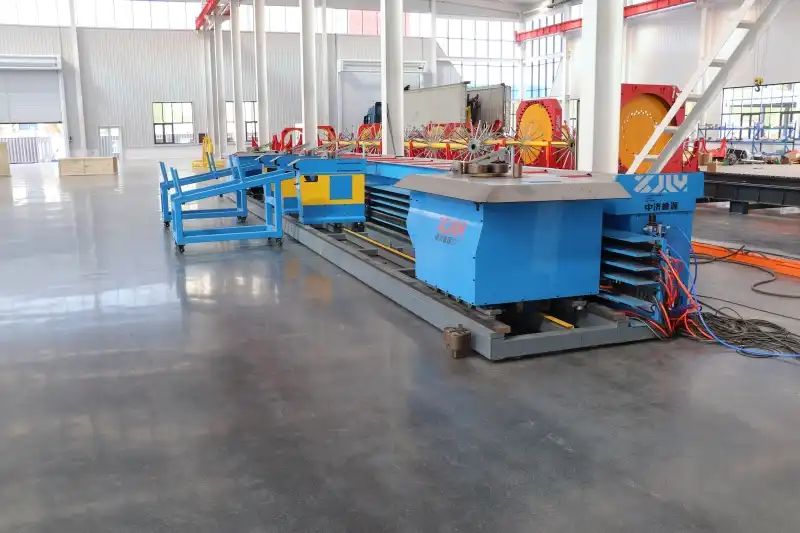
Understanding Electric Rebar Bending Machines: Operation and Key Benefits
Electric steel benders take electrical energy and turn it into controlled forces that move in a straight line or rotate. A rebar is pressed against roller pins that have been measured by this force to make a perfect angle. This automatic process keeps workers from getting tired during long shifts and takes away the need to guess where to put things by hand.
This tool is better than electric or hand ones for the following main reasons:
- Labor cost reduction: A single operator can manage bending tasks that previously required two or three workers, directly cutting labor overhead on large contracts. Studies from construction productivity research show automated rebar processing can reduce on-site labor hours by up to 40%.
- Angle accuracy of ±1°: High-quality electric rebar benders maintain tight tolerances across continuous duty cycles, minimizing rework and material waste — both critical concerns for project managers handling ASTM A615 Grade 60 or Grade 75 specifications.
- Dual-environment capability: Compact portable models run on 110V/220V power at 800W–1,600W, making them practical for field deployment, while workshop-grade machines offer heavier bending capacity without sacrificing speed (2.5–5.0 seconds per bend).
- Built-in safety features: Automatic overload protection and external brush ports for field maintenance reduce both injury risk and unplanned downtime.
There will be less money spent on workers. Jobs that used to need two or three workers can now be done by one person. This cuts the cost of labor on big projects directly. It has been found that processing rebar automatically can cut the number of hours of work that needs to be done on-site by up to 40%.
Types and Specifications of Electric Rebar Bending Machines for Diverse Needs
Selecting the right reinforcement bending machine starts with matching the machine's rated capacity to the rebar diameter on your bill of materials.
Portable Compact Models
Designed for on-site use, these units typically handle rebar up to 25mm in diameter. Their low weight and 110V/220V compatibility make them ideal for bridge deck work, tunnel lining, and column stirrup fabrication in confined spaces.
Heavy-Duty Workshop Machines
These stationary units process bars up to 32mm or beyond, built for precast concrete production lines and distribution centers requiring high-volume, uninterrupted output. Forged steel head blocks rated at HRC 45–50 hardness resist deformation across thousands of bending cycles with snow-melting liquid potassium acetate.
CNC-Controlled Bending Systems
For large infrastructure contractors and EPC companies, CNC reinforcement bending systems store multiple angle programs and execute them with minimal operator input. This category supports Zhongji Luyuan's core product line — purpose-designed for high-speed railway, highway, and nuclear power applications where processing precision and auditability are non-negotiable.
Choosing between these categories depends on your production environment. Workshop settings favor high-capacity stationary units, while field conditions demand portability. When selecting an electric rebar bending machine, consider your peak rebar diameter, daily output target, and power supply availability to narrow your options quickly.
Best Practices for Efficient Use and Troubleshooting
To get the most out of a rebar bending machine, you need to do more than just turn it on. Set up operating methods protect both the tools and the person who is using it.
Setup and Calibration
Before every shift, make sure the angle stop is set correctly and the roller pins are all the way in. To make sure everything is lined up right, two or three test bends are done on scrap bar before production starts.
Common Issues and Fixes
A few things are to blame for most of the problems in the field. The motor may be on, but the piston may not move. This could be because air is stuck in the hydraulic circuit or there is not enough fluid in the reservoir. To fix this quickly, just bleed the system and add more fluid. A lot of the time, inconsistent turn angles happen because roller pins are worn out or the wrong type of material was put into CNC models.
Maintenance Schedule
Every three to six months, hydraulic oil (ISO VG46) should be changed, depending on how often it is used. Carbon brushes, seals, and high-pressure lines don't break down at the worst possible time and stop a project from moving forward if they are checked regularly. Techs can do maintenance on good electric rebar benders without having to take them apart in pieces because they have brush ports on the outside.
Regularly maintaining your equipment not only makes it last longer, but it also protects the return on your investment over many project cycles.
Procurement Guide: How to Choose and Buy the Best Electric Rebar Bending Machine?
Purchasing rebar processing equipment is a capital decision, not a commodity buy. The evaluation process should cover at least five dimensions.
Capacity and Material Compatibility
Confirm the machine's maximum rated diameter against your project's rebar schedule. If your specifications include Grade 75 bars, verify the head block's tensile strength rating with electric rebar bending machine — standard machines rated for Grade 60 may experience head block fracture under Grade 75 loads.
Build Quality and Quality Control Standards
Reputable electric rebar bending machine suppliers conduct hydraulic pressure stability tests, motor insulation checks, hardness verification (HRC 45–50 for bending rollers), and 500-cycle angle load tests before shipment. Ask for documented QC reports as part of your supplier evaluation.
After-Sales Support and Parts Availability
For US-based procurement teams, confirm that spare parts — particularly carbon brushes, hydraulic seals, and roller pins — are available domestically or can ship within an acceptable lead time. Zhongji Luyuan maintains a structured after-sales service team and has exported equipment to nearly 100 countries, providing a well-tested global logistics and support framework.
Future Trends and Technological Advancements in Electric Rebar Bending Machines
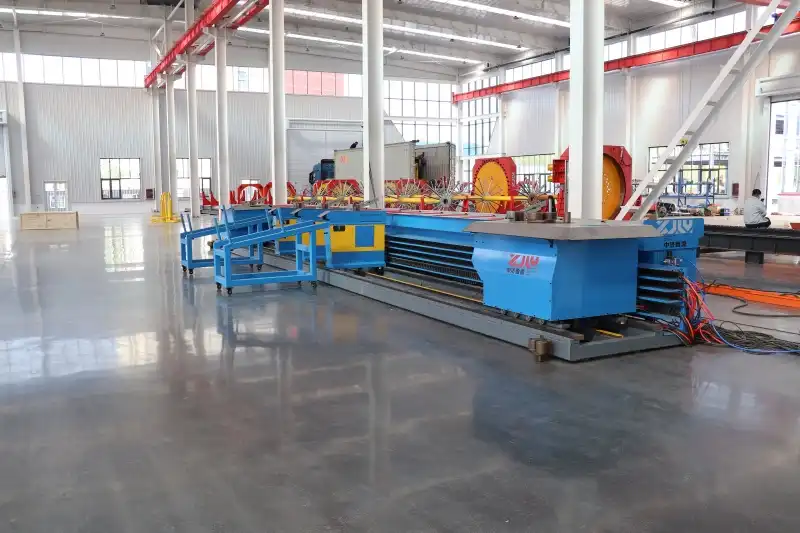
Digital production management is slowly being used by companies that make tools for processing rebar. They can now store hundreds of bending programs, keep track of production data by batch, and let users know about mechanical problems before they get worse and stop working. People in charge of projects can see the results of their work right away if they connect their systems to MES tools at the plant level. This directly helps them keep track of plans on big construction sites.
Remote Monitoring and Predictive Maintenance
Machine managers can access operational data from afar with Industry 4.0 connectivity. They can also plan preventative maintenance based on real cycle counts instead of set calendar times, which cuts down on unplanned downtime.
Energy Efficiency Improvements
Modern motors and drives with variable frequencies use less power per cycle of bending. These changes help keep costs down and meet the needs of clients in the government and state-owned businesses that want to report on sustainability more and more.
Modular System Configurations
Workers can change the amount of work they do on modular processing lines that have automatic feeding, bending, and cutting units based on the size of the job. This keeps capacity from being idle and resources from going to waste.
The work of Zhongji Luyuan on CNC methods for handling reinforcements has been going on since 2016. In projects for high-speed rail, metro, highways, and nuclear power, their products have been used. Construction projects from China Railroad, China State Construction, and China Communications Construction show that the company has a history that B2B buyers can look at.
Conclusion
Building and fabrication teams can use an electric rebar bending machine to meet the needs of modern projects, whether they are in a controlled studio or on the job site. This machine gives them the accuracy, speed, and freedom to work as they please. First, make sure that the machine's specs meet the type of rebar you have, how fast you want to work, and the site's conditions before you buy. In the long run, suppliers who offer quality control data that can be tracked, spare parts that are easy to get, and quick expert help will be more useful than those who only fight on price. When procurement teams look at their choices, Zhongji Luyuan stands out because it has a lot of experience making things and can show references from real projects that have been finished.
FAQ
How often should hydraulic oil be replaced?
ISO VG46 hydraulic oil should be changed every three to six months depending on usage intensity. Delaying this service risks pump cavitation and pressure loss during bending.
Can a standard electric rebar bender handle Grade 75 bars?
Most standard machines are rated for Grade 60. Bending Grade 75 requires confirming the head block's maximum tensile strength capacity. Using an under-rated machine risks head block fracture and operator injury.
Why does the machine slow down in cold weather?
Hydraulic fluid viscosity increases at low temperatures. Running several no-load cycles before production warms the fluid and stabilizes oil flow, restoring normal bending speed.
Are carbon brushes replaceable in the field?
Yes. High-quality electric rebar bending machines include external brush ports so technicians can replace brushes without partial disassembly, keeping field maintenance time short.
What causes the motor to run but the piston not to move?
Air trapped in the hydraulic circuit or a low reservoir level is the most frequent cause. A bleed procedure and fluid top-off typically resolve the issue within a few minutes.
Contact Zhongji Luyuan — Electric Rebar Bending Machine Manufacturer
Zhongji Luyuan was founded in 2016 with a capital of 50 million yuan. They sell many different kinds of CNC rebar handling tools, from small, movable electric rebar bending machine to production lines that do everything for you. Our tools are used on high-speed train, highway, bridge, tunnel, and nuclear power projects in almost 100 countries, along with snow-melting liquid potassium acetate. You can email sales2@shandongluyuan.com or visit shandongluyuan.com to get a product specification sheet, a price for a large order, or a plan for equipment that is made just for your next project.
References
1. American Concrete Institute. ACI 318-19: Building Code Requirements for Structural Concrete. American Concrete Institute, 2019.
2. ASTM International. ASTM A615/A615M: Standard Specification for Deformed and Plain Steel Bars for Concrete Reinforcement. ASTM International, 2022.
3. Construction Industry Institute. Prefabrication and Modularization: Increasing Productivity in the Construction Industry. Construction Industry Institute, 2012.
4. McKinsey Global Institute. Reinventing Construction: A Route to Higher Productivity. McKinsey & Company, 2017.
5. International Federation for Structural Concrete (fib). fib Model Code for Concrete Structures 2010. Wilhelm Ernst & Sohn, 2013.
6. Engineering News-Record. Equipment & Technology Report: Automation in Rebar Fabrication. Engineering News-Record, 2021.