How an Automatic Bar Bending and Cutting Machine Reduces Material Waste in Rebar Fabrication
Oct 23, 2026
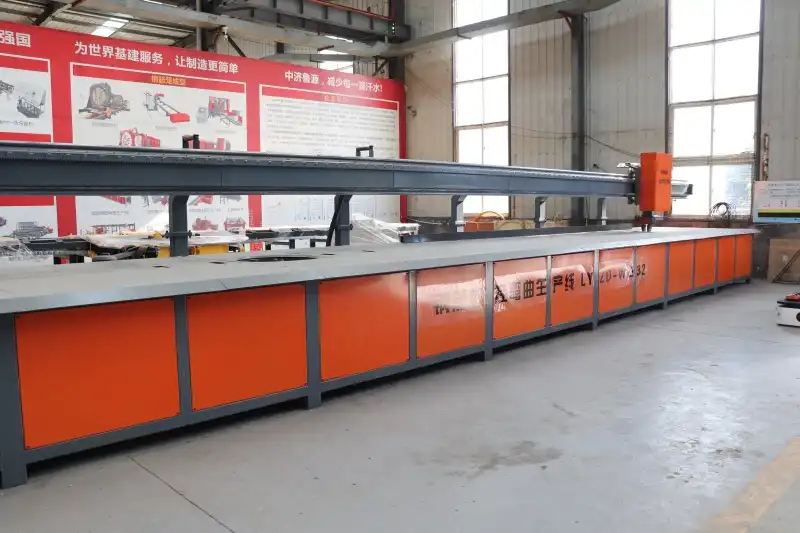
An automatic rebar bending and cutting machine directly addresses one of construction's most persistent cost problems: material waste. By integrating CNC-controlled measuring, feeding, cutting, and bending into a single workflow, these machines process rebar with tolerances as tight as ±1mm and ±0.5°. That level of precision eliminates the guesswork common in manual fabrication. For infrastructure contractors, precast plants, and rebar processing centers running high volumes, the impact is measurable — material utilization rates rise, scrap tonnage drops, and project margins improve without adding labor.
Understanding Material Waste in Traditional Rebar Fabrication
When rebar is made by hand, it is inherently inefficient, and most buying teams don't realize this until they see the pile of scrap at the end of the shift.
Human Measurement Errors Drive Scrap Rates
Every piece isn't exactly the same because workers measure and mark bars by hand. Small mistakes add up to a lot of waste when you consider that thousands of cuts are made every day. Manual rebar trash rates are thought to be 5–8% of all the raw materials used in the industry. This is a number that directly leads to budget overruns on big projects.
Over-Bending and Rework Compound the Problem
When a bar is bent past the required angle, it usually can't be fixed and made to fit again. The piece is thrown away. Angle mistakes can cause rework that can delay a whole manufacturing process by hours in high-density reinforcement work like building a bridge deck or lining a tunnel.
Environmental and Financial Consequences Are Linked
Getting rid of steel scrap doesn't come for free. Moving things, sorting them, and recycling all cost money. Besides the direct costs, buying too many raw materials makes project budgets bigger than they need to be. For procurement managers in charge of multimillion-dollar infrastructure projects, even a 2% increase in material yield saves a lot of money over time.
How Automatic Bar Bending and Cutting Machines Minimize Waste
Precision is what it does, not a quality of it. Automatic rebar processing equipment cuts down on waste by engineering out the factors that cause human scrap.
CNC Control Systems Maintain Consistent Tolerances
PLC‑based and servo‑motor‑driven control systems of the automatic rebar bending and cutting machine make each cut and bend based on a set of programmed parameters. The accuracy of the length stays within ±1mm during continuous production runs. The repeatability of the bending angle stays within 0.5°. These limits don't change whether the machine works on 50 bars or 5,000 bars in a single shift, which is very important for building projects that need to be done quickly.
Optimized Nesting Algorithms Reduce End-of-Bar Waste
Modern tools that cut and bend rebar automatically figure out the best way to cut a given batch of bars while using the least amount of material. By nesting multiple piece lengths from a single bar, they cut down on the number of extra stub ends that have to be thrown away by hand. According to data from CNC reinforcement processing facilities, this optimization alone can cut the amount of raw material used by 15–30% compared to scheduling by hand.
Real-Time Sensors Catch Deviations Before They Become Scrap
Each working step is watched over by built-in measurement encoders and position sensors. If the feeding misalignment or length variation is greater than the set level, the system warns the operator before the cut is made. This feedback loop stops broken pieces from moving on to the next step, which saves time and materials.
Key Features of Automatic Bar Bending and Cutting Machines That Support Waste Reduction
The design of a machine that bends and cuts rebar is just as important as the software that runs it. What makes something accurate after years of use in industry is based on how it was built and how well the parts are made.
These are the main technical and mechanical things that affect how well trash works:
- The full range of rebar sizes used in industrial building, infrastructure, and nuclear power can be processed with a width range of 4mm to 32mm. One machine can handle stirrups, hoops, and longitudinal bars without having to be rearranged. This gets rid of the handling mistakes that happen when work is moved from one machine to another.
- Chromium-molybdenum alloy cutting blades with a hardness rating of 58 to 62 HRC keep their clean, sharp shear edges for long periods of time. When blades are dull, they make sharp cuts that need to be dressed or rejected, which takes more time and material. High-hardness tools directly protect cut accuracy and increase the time between blade changes.
- Automated systems for feeding and aligning bars stop the jams and wrong feeds that waste half of the bars when done by hand. When feeding is controlled by a machine instead of a person, the position of the bars stays the same from one piece to the last.
Over time, all of these things work together to cut down on waste. When equipment managers are thinking about a big purchase, they should think about more than just the software specs. They should also think about how long the machine will last and how well the parts are made. Waste isn't cut down as much as it should be when a machine stops working right after six months of heavy use.
Comparative Analysis: Automatic vs. Manual Bar Bending and Cutting
When real output measures are put next to each other, the case for automation is most clear.
Accuracy Gap Between Manual and CNC Processing
Angle changes of 2 to 5° and length changes of 3 to 10mm are caused by manual workers working at production speed. The automatic rebar bending and cutting machine, a CNC machine used to work with rebar, reliably holds ±0.5° and ±1mm. These limits must be used in structural applications, especially in areas prone to earthquakes or nuclear power plants. They are requirements for engineers.
Productivity and Downtime Differences
A machine that automatically bends and cuts bars can bend them up to 180° per second. Teams that work by hand need a lot more time for each piece and can't keep up peak flow for the whole shift. When cycle times are shorter, there is less downtime between batches and crews don't have to wait for parts to be made.
Total Cost of Ownership Justifies the Investment
It costs more to buy equipment for automatic systems than for hand tools. However, buying managers should think about the lower costs of labour, the lower amount of raw materials needed because of less waste, and the shorter project delays caused by rework. Over the course of three to five years, the total benefits on large building projects usually outweigh the difference in the cost of the tools at the start.
Best Practices and Maintenance Tips for Maximizing Efficiency and Minimizing Waste
A machine that is well taken care of always gives the same results. An ignored one moves out of range and makes scrap at a rate that is close to that of human work.
Establish a Regular Calibration Schedule
The accuracy of the encoder and the alignment of the blades should be checked at set times, not just when problems happen. Calibration records help with quality audits and can be used to find mistakes in projects that need to be inspected very carefully. When used for nuclear power or high-speed rail, documented calibration is often required by contract.
Train Operators on Program Management and Fault Response
The skill of the operator changes the output of the machine even in fully automatic systems. If employees know how to set stacking plans, read diagnostic alerts, and fix technical problems, they can keep work from stopping, which wastes time and materials. Teams stay up to date on firmware updates and new processing capabilities by getting training updates on a regular basis.
Replace Wear Components on Schedule, Not on Failure
There are clear wear curves for cutting blades, bent pins, and feed rollers. By replacing them ahead of time, you can keep the quality of the cuts and the accuracy of the bends from dropping during production. Failures that happen during busy project cycles cost a lot more than planned part replacements during maintenance times.
Conclusion
Cutting down on material waste in the production of rebar is not a small improvement; it is a real financial and operational gain. automatic rebar bending and cutting machine achieve this through CNC accuracy, optimized nesting, and mechanical uniformity that human processes cannot match. The data helps procurement managers, equipment leaders, and project engineers in charge of big building projects make a clear choice. Better project results come from having lower scrap rates, less reliance on labor, and tighter tolerances. How quickly those gains are realized depends on how quickly you choose the right equipment partner—one with strong technical skills, proven industry references, and quick after-sales support.
FAQ
How much material waste can an automatic rebar processing machine actually reduce?
With robotic rebar shaping and cutting tools, 15–30% less waste can be generated than when things are made by hand. The exact number depends on the shapes of the bars, how hard the job is, and how well the workers set up the nesting programs.
Are these machines suitable for large-scale infrastructure projects?
Some machines can handle all kinds of rebar used in building highways, bridges, tunnels, and rail transit. The widths of these machines range from 4 mm to 32 mm. For projects with short deadlines, high-speed servo drives let work be done nonstop 24 hours a day, seven days a week.
What diameter range does this type of equipment cover?
Most automatic bar bending and cutting machines made for industry can work with rebar that is between 4mm and 32mm thick. This includes light stirrups and heavy structural bars used in tunnel linings and bridge piers.
Can equipment be configured for different project requirements?
Yes, CNC rebar bending systems can read customizable job files that store designs for angles, cut lengths, and nesting. You can save and recall configurations that are specific to a project. This makes it easy to switch between different rebar schedules on multi-phase projects.
What certifications should procurement managers look for?
Check for the ISO 9001 quality control mark and the CE mark. These show that the ways things are made and the electrical systems work with what are called "international standards" for industrial equipment.
Ready to Cut Waste and Costs? Contact Zhongji Luyuan
Zhongji Luyuan was established in 2016 with 50 million yuan in listed capital. It makes CNC rebar processing equipment, including the automatic rebar bending and cutting machine that is used in nearly 100 countries on high‑speed rails, bridges, tunnels, metro systems, and nuclear power projects. As a reliable supplier of automatic bar bending and cutting machines that has worked with China Railroad, China Communications Construction, and China Nuclear Power Construction Corporation, we can make configurations that are specific to your project, help you get it up and running, and provide long‑term support after the sale.
You can email our technical team at sales2@shandongluyuan.com or go to shandongluyuan.com to get more information or set up a product demonstration.
References
1. American Concrete Institute. ACI 318-19: Building Code Requirements for Structural Concrete. American Concrete Institute, 2019.
2. Construction Industry Institute. Prefabrication and Preassembly: Trends and Effects on the Construction Workforce. Construction Industry Institute, 2012.
3. Eastman, C., Teicholz, P., Sacks, R., & Liston, K. BIM Handbook: A Guide to Building Information Modeling for Owners, Managers, Designers, Engineers, and Contractors. Wiley, 2018.
4. International Organization for Standardization. ISO 9001:2015 Quality Management Systems — Requirements. ISO, 2015.
5. Sacks, R., Eastman, C., Lee, G., & Teicholz, P. BIM Handbook: Third Edition. Wiley, 2018.
6. Turner & Townsend. International Construction Market Survey 2023. Turner & Townsend, 2023.