How Does CNC Rebar Bending Machine Help Contractors Reduce Errors in Complex Steel Structures?
Oct 23, 2026
A CNC rebar bending machine helps contractors reduce errors in complex steel structures by replacing manual judgment with automated, programmed control. These machines use servo-driven motors and PLC systems to execute precise bending angles—typically within ±1°—across every single piece produced. When a bridge contractor, metro builder, or nuclear power facility engineer needs hundreds of identical stirrups or custom-shaped reinforcement cages, automated rebar processing equipment removes the inconsistency that comes with human fatigue, tool wear, and eyeballed measurements. The result is fewer rejected pieces, less rework, and tighter compliance with structural engineering specifications.
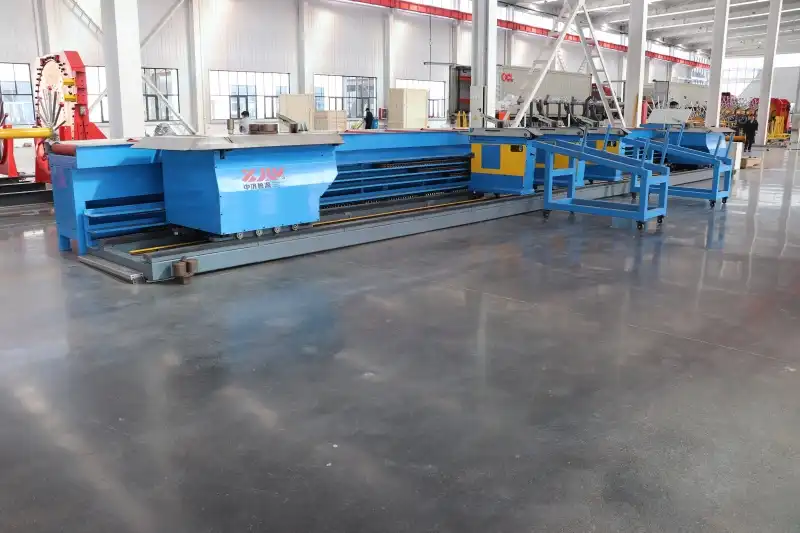
Understanding the Common Errors in Traditional Rebar Bending
If you want to know how technology can help, you should first know where the old ways of doing things fail on difficult projects.
Inconsistent Bending Angles
Bending by hand depends on how strong and skilled the person is. When making a lot of things, even skilled workers make mistakes with angles of 5° or more over time. A highway bridge pier needs a lot of stirrups that are all the same size. The differences between them pose a structural risk.
Dimensional Inaccuracies from Mechanical Wear
Older hydraulic bending tools can't measure accurately as their parts wear out. When the feeding wheels and bending pins wear out over time, the length differences get bigger than the ±2mm range that most building plans call for. On big steel plans, this kind of small mistake adds up very fast.
No Real-Time Feedback or Spring-Back Compensation
Regular tools can't find or fix rebar spring-back, which is when the bar springs back after being bent. If you don't fix the software, the finished pieces will never be the shape that was intended. This makes it harder to put things together, which slows down the process of putting up complicated steel structures like tube linings or buildings that are already built.
How CNC Rebar Bending Machines Eliminate Errors: Core Features and Working Principle?
The best thing about a Cnc rebar bending machine is that it can take a digital plan and make a finished, exact steel part without any help from a person.
PLC Control and CAD Integration
These days' tools can understand CAD shapes and bending plans right away. The PLC takes each bend and turns it into a servo order. The servo order then immediately starts the process. When design plans are sent to the factory floor by hand, they are often spelled wrong. This stops that from happening.
Servo Motor Precision and Spring-Back Compensation
High-torque servo drive systems in a cnc rebar bending machine can bend metal up to 180° per second and keep the twists accurate to within 1°. Before you let go of the bar, the software checks how each material really bends and changes the angle of bend in real time. This means that every piece that comes out of the machine meets the standards for rebar diameters ranging from 5 mm to 32 mm on heavy-duty single-line models.
Hardened Components Built for Long-Run Accuracy
The feed rollers and bent pins on good machines are made of high-alloy tool steel that has been heated to an HRC of 58–62. This level of hardness stops the rough wear that makes cheap gear lose its shape. There are automatic pneumatic or hydraulic tensioning systems that keep the machine straight, so it stays in shape even during production runs that happen 24 hours a day, seven days a week.
Benefits of Using CNC Rebar Bending Machines for Complex Projects
One of the best things about automatic rebar bending equipment is that it helps project managers and buying teams in three important ways.
With CNC bending technology, contractors can do their jobs better in the following ways: It saves money because there is less waste and redo. This is because a lot fewer pieces are wasted during production when measurements are accurate to within ±2mm and angles are accurate to within ±1°. On a big building project that needs thousands of tonnes of rebar, even a 2% drop in scrap saves a lot of stuff.- Shorter work cycles: A CNC stirrup bender that can feed at up to 110m/min can do a lot more in a shift than a group of people working together. The short time frames for building metro lines, highway bridges, and parts of buildings that are already built are helped by this.For nuclear power, electricity, and government building projects, parts must be made on tools that meet ISO 9001 manufacturing standards and CE safety approval. This is part of the quality paperwork that is needed.
- Precision within ±2mm in dimensions and ±1° in angles means that many fewer pieces are discarded during each production run, which saves money on scrap and repairs. When working on a big infrastructure project that uses thousands of tonnes of rebar, even a 2% drop in scrap saves a lot of material.
- Faster production cycles: A CNC stirrup bender with a feed speed of up to 110m/min can make a lot more pieces in a shift than a manual team. This directly supports tight plans for building metro lines, highway bridges, and premade building parts.
- Following international standards: Parts made on machines that meet ISO 9001 production standards and CE safety approval must meet the quality paperwork requirements of nuclear power, water, and government building projects.
This lowers the overall cost of moving a tonne of steel and makes it easier to make plans. When people need to buy big projects, they think about these two important things.
Choosing the Right CNC Rebar Bending Machine for Your Construction Needs
There isn't a machine on the market that can do everything. It is a practical choice that affects both the quality of the output and the long-term costs of running the business.
Bending Capacity and Diameter Range
For precast concrete companies and rebar distribution centers that work with a lot of lighter-gauge wire, double-wire types of a cnc rebar bending machine that can handle widths from 5 mm to 16 mm have the highest output. High-torque single-line heavy-duty types are best for big structures like bridge supports or underground reinforcement cages that need bars up to 32 mm in diameter.
Automation Level and Software Flexibility
How quickly operators can load new bending programs, make changes for different grades of rebar, and check the accuracy of the output depends on how well the CNC control interface works. To avoid length errors that add up over time during long run cycles, look for systems that offer real-time monitoring, production logging, and encoder-based feedback.
Supplier Reliability and After-Sales Support
Many buyers make mistakes here that cost a lot of money. The service network behind a machine is what makes it work. The 50 million yuan that Zhongji Luyuan used to start the company has helped it form long-term relationships with China Railroad, China State Construction, and China Communications Construction. Their tools have been used on projects in almost 100 different countries. Working with a well-known CNC rebar bending machine maker with a track record of success around the world lowers the chance of long periods of downtime and equipment that can't be fixed.
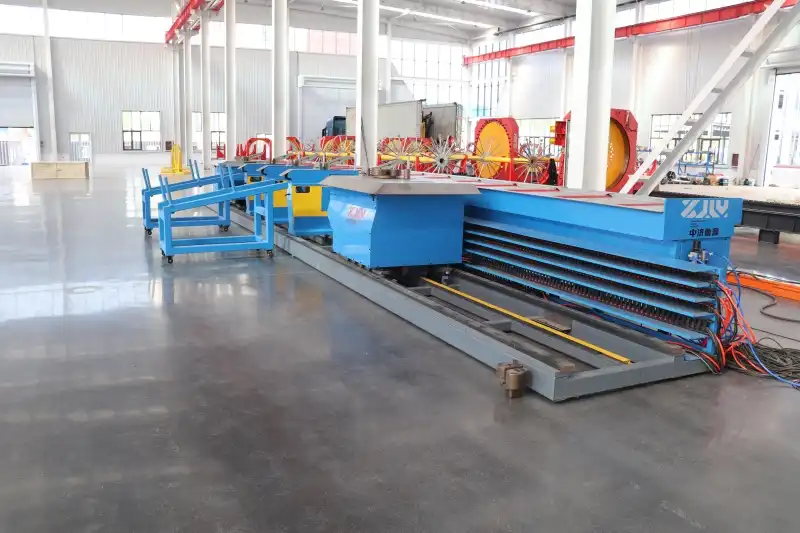
Best Practices for Maintenance and Safety to Sustain Error-Free Operation
If you don't keep up with it, even the most accurate machine will move out of range.
Routine Inspection Schedule
Every 500 hours of use, look at how worn out the bent pins are and how hard the feeding roller surface is. Make sure the gas or hydraulic saw works well. Write down all the maintenance tasks you do. This way you can see how long parts last and plan to replace them before they break.
Software Updates and Encoder Calibration
The CNC encoder tells you exactly where it is, so the length stays accurate even during long runs. A lot of time should be spent calibrating the encoder, and software updates should be put in as soon as they come out from the maker. The result is more reliable now that there are new ways to change the spring back because the software learns from real-world data.
Operator Training and Site Safety Protocols
You need to be trained by a qualified person before you can use industrial bending tools. The people who work there need to know what an ISO 13849 safety locking system is and how to use secure enclosures and stop in an emergency. When a team is well-trained and follows the right safety rules, they keep up their work and are less likely to have to take time off because of accidents.
Conclusion
Steel structures that are very complicated can't be bent in any way. When measurements are off, or angles don't line up, it can be dangerous, waste a lot of materials, and make projects take longer than planned. Automated rebar bending equipment, such as a CNC rebar bending machine, gets rid of these problems at their source by using servos and software to precisely control the equipment instead of people. It is smart for builders working on bridges, rail systems, premade buildings, or energy infrastructure to switch to CNC processing. It will pay off for your business. The quality of the work will stay the same throughout the whole job if you pick the right machine and take good care of it.
FAQ
How much more accurate is CNC bending compared to manual methods?
When used in continuous production runs, CNC rebar bending tools can keep angles and lengths within 1% of the true value. In the evenings or after a long day at work, people who measure angles by hand often get them wrong by 5° or more.
What diameter range can these machines handle?
Because they can handle rebar from 5 mm to 16 mm, double-wire types work well in precast plants and distribution centers. Heavy-duty single-line types can handle threads up to 32 mm wide. This means they can be used for many things, like running a business or building roads and bridges.
Can the machine be customized for specialized project shapes?
Yes. Things get even more complicated because the PLC control systems can read CAD files directly and let you set up bending steps for forms that aren't the norm. Because of this, they can be used in certain ways in nuclear power plants and to make certain kinds of concrete parts.
How long does it take to train an operator?
After being trained for a few days, most workers are ready to go to work on their own. Machine sellers like Zhongji Luyuan help with setup and training right there on the spot, which speeds up the process.
Ready to Reduce Rebar Errors on Your Next Project? Contact Zhongji Luyuan
The CNC rebar bending machine supplier team at Zhongji Luyuan works directly with contractors and procurement managers in the infrastructure, rail transit, and commercial construction industries. We offer full after-sales service for all of our equipment, and it is certified by both ISO 9001 and CE. If you send information about your project to sales2@shandongluyuan.com or visit shandongluyuan.com right now, you can get a price or talk about products.
References
1. American Concrete Institute. ACI 318-19: Building Code Requirements for Structural Concrete. ACI, 2019.
2. Concrete Reinforcing Steel Institute. CRSI Manual of Standard Practice, 29th ed. CRSI, 2021.
3. International Organization for Standardization. ISO 9001:2015 Quality Management Systems — Requirements. ISO, 2015.
4. American Institute of Steel Construction. Steel Construction Manual, 16th ed. AISC, 2022.
5. European Committee for Standardization. EN 13670: Execution of Concrete Structures. CEN, 2009.
6. Construction Industry Institute. Prefabrication and Modularization: Increasing Productivity in the Construction Industry. CII, 2012.