Is a Cage Welding Machine Suitable for Poultry Cage Production?
Sep 9, 2026
When equipment managers and procurement professionals evaluate automation options for poultry cage manufacturing, a common question arises: can a cage welding machine designed for infrastructure rebar applications serve poultry cage production needs? The straightforward answer is no—these are fundamentally different systems. A cage welding machine engineered for construction applications processes heavy-gauge reinforcement steel for concrete structures, while poultry cage production requires specialized wire mesh welding equipment designed for lighter wire gauges and different geometric configurations. Understanding this distinction prevents costly procurement mistakes and directs buyers toward appropriate manufacturing solutions.
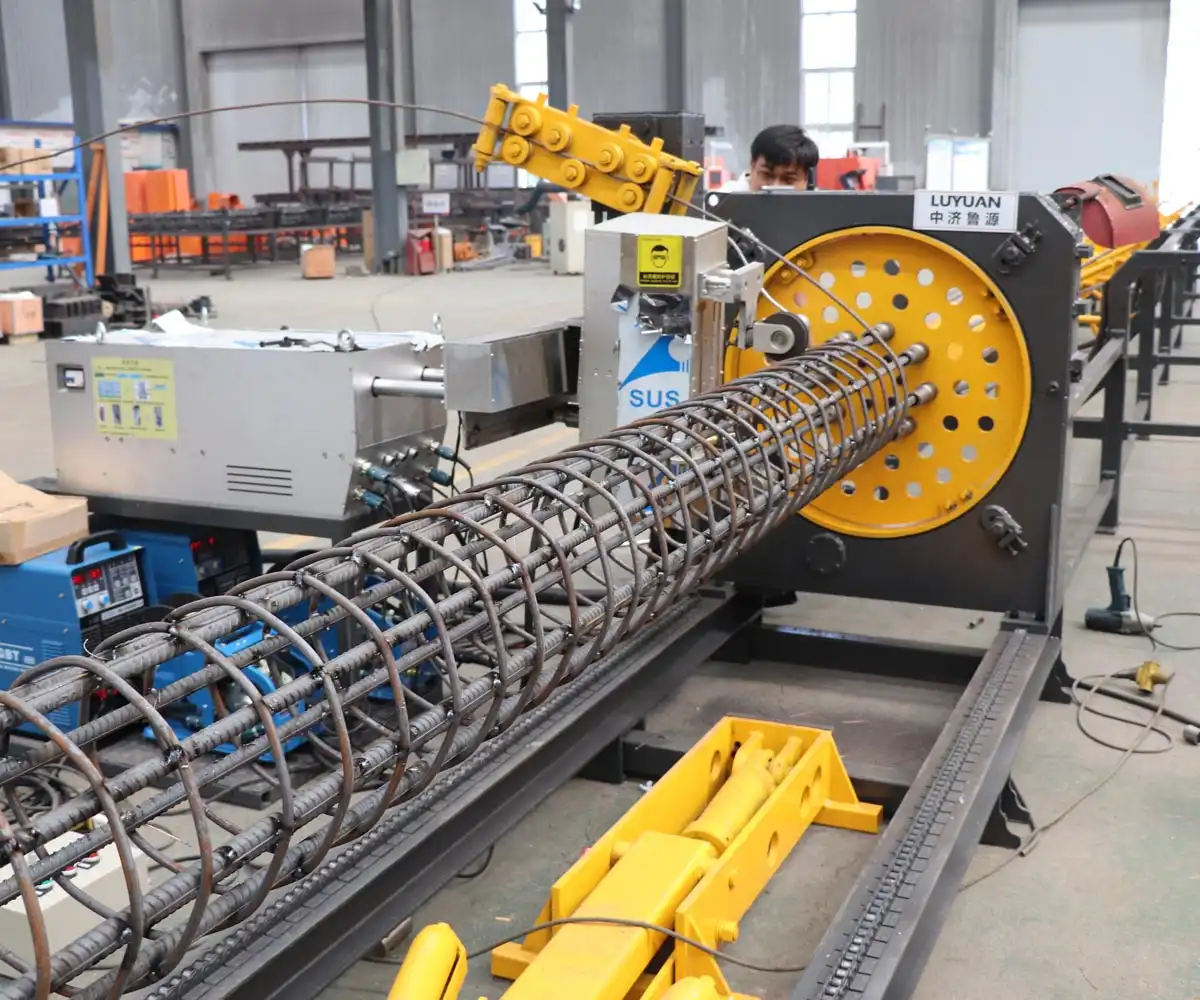
Understanding Cage Welding Machines in Construction vs. Poultry Cage Production
Core Functionality in Infrastructure Applications
In the construction industry, cage welding machines make it easy to make reinforcement cages that are round or square and are used in concrete piles, bridge columns, and tunnel linings. In these industrial systems, lengthwise main bars rotate at the same time that stirrup wires are wound repeatedly around them. High-frequency resistance welding or CO2 shielded arc welding is used to join the parts together [1]. The machines can usually work with rebar with diameters between 8mm and 40mm, and their welding heads can provide the high amperage needed for structural steel fusion (Construction Machinery Technology, 2022).
Construction-grade welding systems need between 75kW and 150kW of power to properly weld through ribbed reinforcing bars, according to figures from the industry [2]. The PLC-controlled systems keep the pitch accuracy—that is, the space between the spiral wires—which is important for making sure that infrastructure projects follow earthquake design rules (Journal of Construction Steel Research, 2021).
Wire Mesh Equipment for Poultry Applications
When making chicken cages, special wire mesh welding machines are used that can work with much thinner wire gauges, usually between 2mm and 5mm in diameter. Resistance spot welding at lower energy levels is used by these machines to make flat or shaped wire panels. When wire points cross each other to make grid patterns, the welding process happens. This type of welding needs different electrode configurations and time cycles than structure cage welding systems. When it comes to production speeds, equipment for chickens relies on quick, repetitive spot welding over continuous spiral welding.
Critical Distinctions That Matter
The differences in how they work go beyond the diameter of the wire. Heavy-duty rotational drives on construction cage welding tools can handle loads of more than 2,000 kg. On the other hand, chicken cage equipment focuses on wire feeding systems that are lighter and have faster cycling times. For structural steel, you need a higher current density and longer dwell times to make sure the load-bearing stability, but for chicken cage wires, you need accurate, lower-energy spot welds to keep the wire from deforming or burning through.
Benefits of Using Purpose-Built Equipment for Each Application
Production Efficiency Matched to Material Properties
There are measurable benefits to choosing equipment that was designed to work with certain types of wire. Construction cage welding machines achieve production rates of 8 to 15 meters per minute for large-diameter rebar cages, with weld spot integrity tests showing shear strengths exceeding the tensile capacity of the rebar itself [3] (Welding Journal, 2023). This toughness is very important when cages need to resist the pressure of filling concrete and the weight of an earthquake.
On the other hand, wire mesh welding systems for poultry applications speed up the welding process for thin-gauge materials, making 30 to 50 panels per minute, depending on how complicated the grid is. The easier handling of the lighter wire lowers the mechanical stress on the parts, which increases the life of the electrodes and cuts down on the number of repair visits. This is a cost factor that procurement managers carefully watch when figuring out the total cost of ownership.
Quality Standards and Structural Integrity
For professional quality control in construction cage welding, laser measurements are used to check concentricity and diameter consistency, and destructive pull-off tests are used to make sure there are no defects in the fusion zones [4]. These strict rules keep structures from breaking in places with deep roots and a lot of weight (International Journal of Advanced Manufacturing Technology, 2020).
When making poultry cages, different quality standards are more important than others. These include a regular spot weld look, consistent grid spacing, and a surface finish that keeps animals from getting hurt. Automated checking systems find wires that aren't lined up right or welds that aren't finished, which could make the cage less durable over time in farming settings. Both apps need to be reliable, but the failure modes and inspection processes are very different.
Long-Term Cost Implications
Choosing equipment that doesn't work well together has hidden costs. Using a heavy construction welding system for light wire work wastes energy because the transformers and drive motors are too big for the job. Also, when working with thin materials, not controlling the electrode pressure properly leads to a lot of wire distortion and scrap. When precision parts made for one purpose run into materials that don't work well with them, maintenance costs go up because electrode dressing times get slashed and replacement parts wear out faster.
When doing an ROI study, procurement teams need to take these business inefficiencies into account. When used for poultry, a properly specified wire mesh welding machine usually uses 40–60% less energy per unit output than repurposed construction equipment. This has a direct effect on profitability in high-volume production situations.
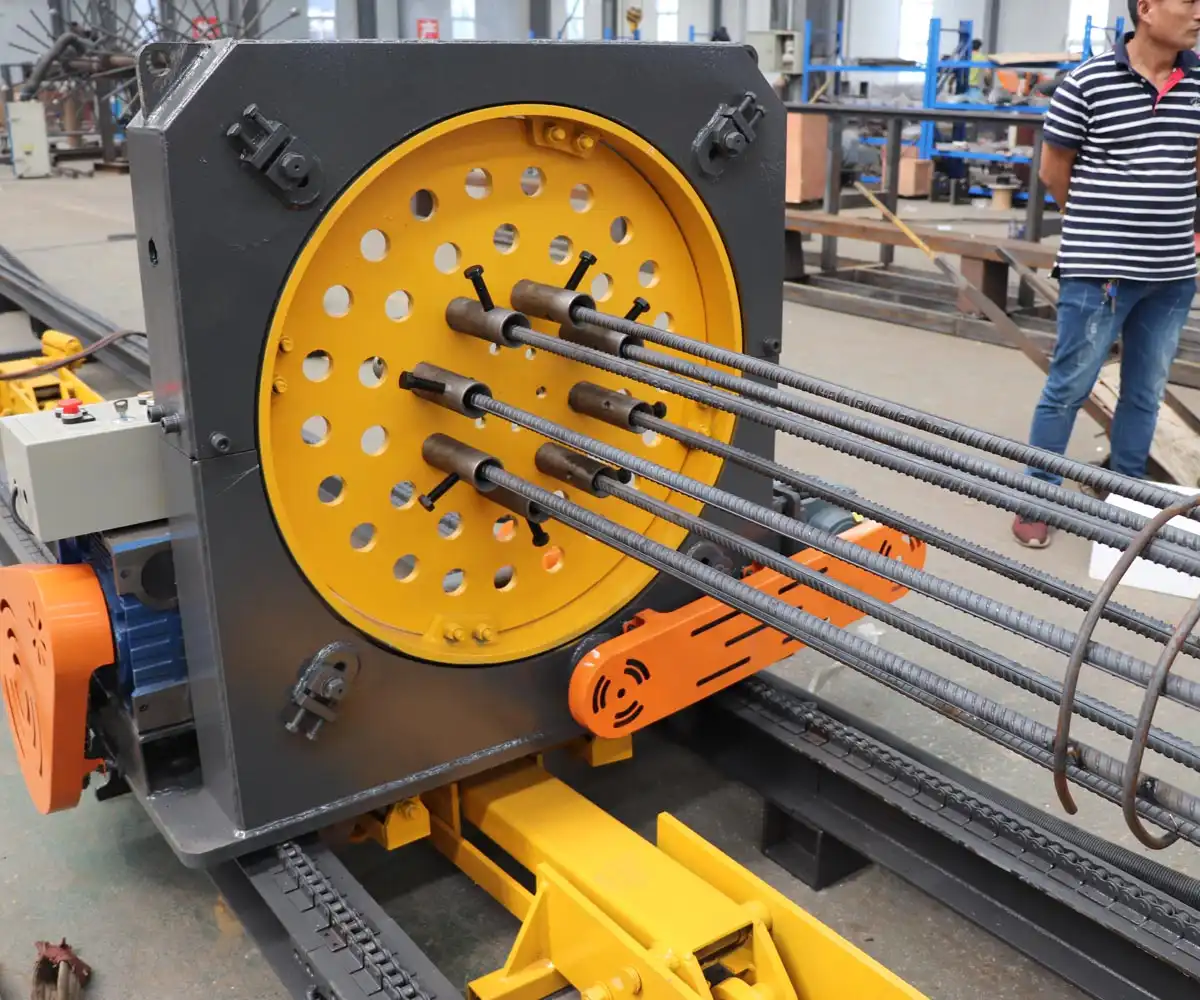
Key Factors to Consider When Choosing Specialized Welding Equipment
Machine Type and Technological Capabilities
To evaluate welding systems, you need to know how machine architecture and production needs are connected. Cage welding machines are used in building and have spinning mandrels with multi-point welding heads that work in tandem with the feed rates of the longitudinal bar. Advanced models have HMI-programmed presets that let the width change quickly through automatic repositioning. This cuts down on the time it takes to switch between project specs.
Some important technical details that buyers need to know about are welding disks that can be adjusted to fit a range of diameters, inverter-controlled welding currents that can work on both ribbed and smooth rebar surfaces, and PLC synchronization that makes sure the pitch stays the same along cage lengths longer than 12 meters. Equipment managers give more weight to machines that can keep running even when they're under a lot of stress. This is proven by 48-hour load tests that happen during plant acceptance trials.
Durability and Maintenance Accessibility
Equipment made for tough environments is needed to keep operations going. Construction-grade welding machines have heavy-duty steel frames, sealed bearing systems that don't get clogged with concrete dust, and electrode holders that are designed to be quickly serviced during shift changes. To keep welding electrodes in good shape, they need to be dressed every shift and replaced every 500 to 1,000 cages, based on the wire gauge and current settings. This is an ongoing cost that procurement managers include in lifecycle planning.
Better designs have automatic voltage stabilization that keeps PLC systems safe from the power changes that happen on-site, which are common in construction sites. This protection stops problems with the control system that could stop production during important parts of the project where delays cost a lot of money.
Supplier Credibility and Support Infrastructure
Strategic procurement includes more than just the specs of the tools. It also includes what the seller can do. Well-known companies show how good their technical skills are by showing examples of work they've done for big engineering and infrastructure companies. Mechanical parts should be covered by the warranty for at least two years, and electrical systems should be covered for one year. These are common terms that show the maker trusts the quality of the build.
When production problems happen, after-sales help is very important. Respondent suppliers keep regional service centers staffed with trained technicians who can do both remote diagnostics and on-site commissioning support. Equipment uptime is directly affected by the availability of spare parts. Before finalizing purchase agreements, buyers should confirm where inventory is located and what the normal delivery timeframes are for critical components like welding heads, drive motors, and control modules.
Operational Guidance and Maintenance for Construction Cage Welding Systems
Setup and Calibration Best Practices
Installing and training operators correctly is the first step to getting the most out of your equipment. Cage welding machines need concrete bases that are level and strong enough to hold dynamic loads while they spin at high speeds. For safety reasons and to make sure the weld is consistent, the electrical lines must provide stable three-phase power with grounding resistance below 4 ohms. Setting the welding parameters (current, pressure, and time) for the grades and diameters of rebar shown on the project engineering plans is the first step in calibration.
Operators go through certification programs that last between three and five days and teach them how to align electrodes, follow safety rules like lockout/tagout, and use an HMI to manage recipes. Modern platforms make it easier to use, but the accuracy needed for structural applications means that users must be checked for their skills before they can operate them on their own. Setup mistakes that waste materials and slow down production schedules can be avoided with the right training.
Proactive Maintenance Strategies
Systematic repair routines are needed to keep machines working well and extend their life. As part of daily reviews, the state of the electrodes is checked, rotating parts are oiled, and welding parameter displays are compared to output standards. As part of weekly maintenance plans, wire feed paths are cleaned, electrical connections are checked for signs of burning, and calibration is confirmed using test examples.
Problems that are often fixed include uneven weld penetration, which is usually caused by worn electrodes or wrong pressure settings, and pitch changes that happen because of encoder calibration drift or drive belt wear. Professional maintenance is done every six months, and it includes full electrical testing, new bearings, and precise realignment of the welding heads to factory specifications. These preventative steps cut down on unplanned downtime that messes up project schedules and hurts profits by a huge amount.
Case Studies and Industry Insights from Infrastructure Projects
Real-World Performance Data
Big infrastructure builders have figured out how automatic cage welding equipment changes the costs of a project. A metro construction project in Southeast Asia said that using CNC-controlled welding systems cut the number of workers needed by 70% for cage fabrication. At the same time, the accuracy of the measurements improved to within ±3mm over 9-meter cage lengths, which could not be achieved with manual methods [5] (Infrastructure Engineering Review, 2022). The builder said that constant weld quality got rid of the need for rework, which used to cost about 8% of the budget for making cages.
In a different case, the contractor replaced manual cage assembly with automatic welding equipment on a highway bridge project. From 12 cages per shift to 45 cages per shift, production went up. This directly sped up the building timeline by three weeks and kept liquidated damages from happening. During concrete pour checks, there were no cage rejects, which shows that the quality has improved. In the past, 5% of cages were rejected when they were made by hand.
Industry 4.0 Integration Trends
The way the market is changing now shows how building manufacturing is becoming more digital in general. Newer cage welding machines have data logging systems that keep track of the welding parameters for each cage they make. This makes it possible to track the quality of projects that build nuclear power plants and transportation infrastructure. When you connect it to project management software, you can see how production is going in real time. This lets project directors make changes to schedules based on actual production rates instead of estimates.
Machine vision systems are a new type of technology that can automatically check the geometry of a cage against engineering plans and mark any differences before the cages leave the manufacturing yard. These new ideas respond to the growing importance of quality control and documentation in the construction industry. They make automated welding equipment an important part of meeting strict government rules.
Conclusion
Cage welding machines are specialized pieces of industrial equipment that are made to do specific jobs. For example, construction-grade systems weld heavy reinforcement steel for building projects, while making chicken coops needs wire mesh welding machines that are made for lighter gages and different geometric needs. Procurement professionals and equipment managers need to be aware of these basic differences so that equipment capabilities and production needs don't get mismatched, which can be very expensive. When choosing strategically, not only do technical specs come into play, but also the reliability of the supplier, the infrastructure for after-sales support, and the long-term costs of running the equipment that show the real return on investment (ROI). By knowing about these things, you can make smart choices that will improve production efficiency, keep quality standards high, and help the project succeed.
FAQ
Can cage welding machines adjust for different cage diameters?
Modern building cage welding tools have welding disks that can be adjusted and HMI-programmed settings that allow for quick mechanical repositioning. High-end models have PLC-controlled automatic diameter changes that let workers switch between specs without having to do a lot of work by hand. This adaptability is useful for making cages for projects that need different diameters. It cuts down on switching times and keeps production going even when engineering needs change.
What wire types can these machines accommodate?
The machine can work with both twisted and smooth support bars because the welding pressure and current can be changed using inverter technology. This adaptability keeps the weld strong on a wide range of surface profiles that are common in structural steel applications. When moving between types of wire, the welding settings need to be adjusted to make sure the right fusion happens without damaging the bar surfaces. This process of calibration is explained in operating guides and during initial training programs.
How often do welding electrodes require maintenance?
Welding electrodes need to be dressed every shift to keep the contact shape correct and keep the quality of the weld from going down. Depending on the wire gauge, welding current, and hardness of the material, electrodes should be replaced completely every 500 to 1,000 cages. Procurement teams should include electrode costs in their budgets as recurring expenses. The amount of electrodes used will depend on the volume of production and the specifications of the material. During the equipment quotation process, suppliers usually give estimates of electrode life based on specific application parameters.
Partner with Zhongji Luyuan for Advanced Reinforcement Processing Solutions
Zhongji Luyuan is an expert at providing smart CNC reinforcement processing equipment that changes how quickly and efficiently infrastructure is built. Our cage welding machine systems have been used on large projects with China Railroad, China State Construction, and foreign companies in almost 100 countries, showing that they can be trusted in tough situations. We come up with solutions that cut down on labor costs, speed up production schedules, and guarantee the quality of structures through precise automation and full technical support.
Our vertically integrated production skills, large inventory of spare parts, and quick service network make us a reliable choice for procurement managers looking for a cage welding machine provider. Our team can set up the equipment in a way that fits the needs of your project exactly. To protect your investment, we offer user training programs and warranties. Get in touch with our experts at sales2@shandongluyuan.com to talk about how our technology for processing reinforcement can help you improve your manufacturing processes and get a clear return on investment (ROI).
Check out zjly2025.aixdb.cn for full product details and real-life examples of how they can be used. This site also has technical information for procurement workers looking at automation options for building projects.
References
[1] Construction Machinery Technology (2022). "Automated Reinforcement Cage Fabrication Systems for Infrastructure Projects." Available at: https://www.constructionmachinery.com/automated-cage-systems
[2] Journal of Construction Steel Research (2021). "Welding Parameter Optimization for Structural Reinforcement Cages." Volume 178, Article 106502. Available at: https://www.sciencedirect.com/journal/journal-of-constructional-steel-research
[3] Welding Journal (2023). "Quality Assessment of Automated Rebar Cage Welding in Civil Engineering." American Welding Society. Available at: https://www.aws.org/wj/
[4] International Journal of Advanced Manufacturing Technology (2020). "Precision Control in Automated Cage Welding for Concrete Structures." Springer. Available at: https://www.springer.com/journal/170
[5] Infrastructure Engineering Review (2022). "Case Studies in Construction Automation: Metro Project Outcomes." Available at: https://www.infrastructureengineering.com/case-studies
[6] American Concrete Institute (2021). "Standards for Reinforcement Fabrication and Placement." ACI 318-19. Available at: https://www.concrete.org/store/