How Can Electric Rebar Bending Machine Improve Daily Operations in Construction Workshops?
Oct 9, 2026
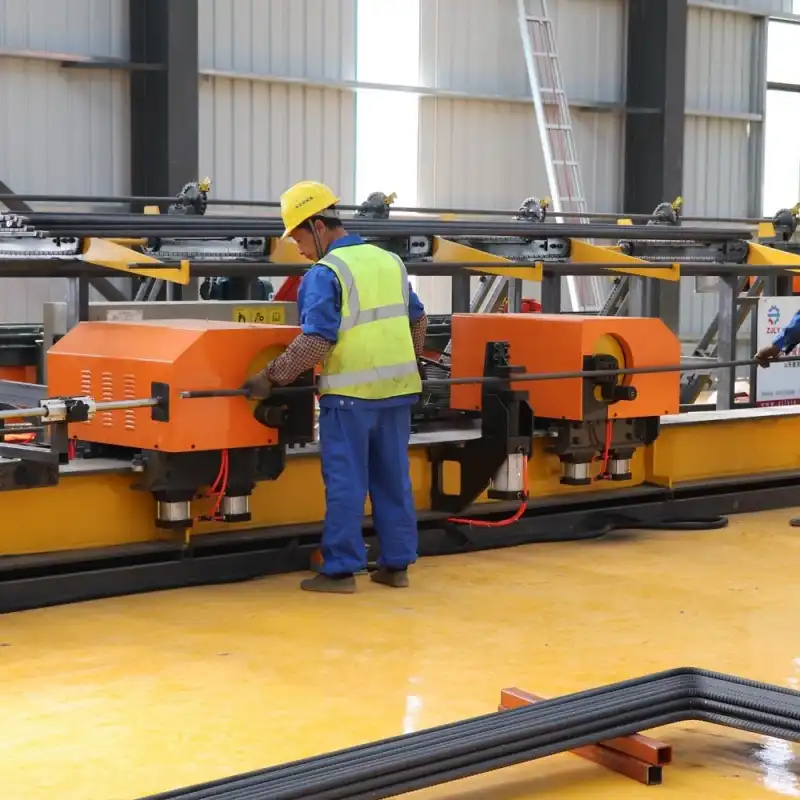
An electric rebar bending machine directly improves daily workshop operations by replacing manual effort with motor-driven precision. These machines cold-bend reinforcement bars from 0 to 180 degrees with ±1 degree accuracy, cutting cycle time to as little as 2.5 seconds per bend. For construction workshops managing high-volume rebar processing — whether on a highway project or a metro line — this means faster output, fewer rework cycles, and lower dependence on skilled labor. The result is a measurable improvement in both production throughput and job site safety.
Understanding Electric Rebar Bending Machines
How the Machine Works
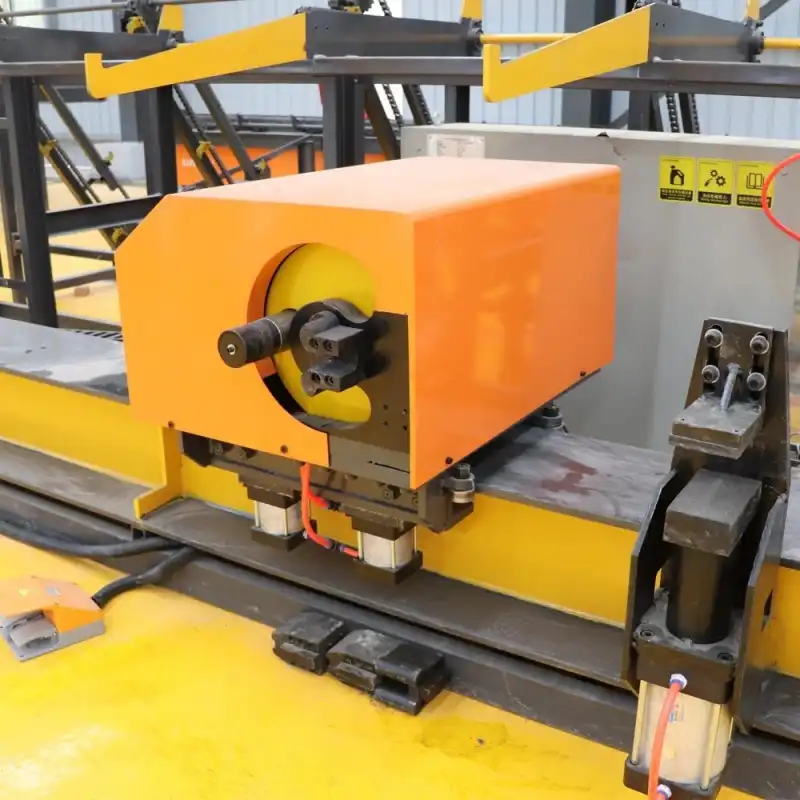
There is a high-torque electric motor (usually 800W to 1600W) in an electric rebar bending machine that turns a bending disk and head block assembly. The user sets the desired angle, and the machine gives the rebar a steady axial force without heating the steel. This method of cold-bending keeps the bar's internal grain structure, which prevents the tiny cracks that happen when bending something by hand incorrectly. Most movable units can work with ASTM A615 Grade 60 rebar and can be powered by either 110V or 220V.
Machine Types and Capacity Ranges
Construction workshops usually have two options. Portable electrohydraulic tools can work with rebar up to 25 mm in diameter and can be used for column spike work or beam-to-column joint changes that need to be made on-site. Stationary CNC rebar benders can work with bars up to 40 mm thick and can be added to production lines that already have the concrete parts built. Which one to use relies on the size of the job, the amount of floor space available, and whether the work will be done in the field or in a fixed fabrication workplace.
Maintenance and Safety Protocols
Regular maintenance is easy and must be done. Depending on how often it is used, the ISO VG46 hydraulic oil should be changed every three to six months. To keep from deforming when loaded over and over, bending rollers and head blocks must be hard enough (HRC 45–50). High-pressure seals should regularly pass leak tests. Electric models with carbon brushes have external brush ports that make it easy to change them quickly in the field. This cuts down on downtime and keeps workers safe during maintenance tasks.
Challenges in Traditional Rebar Bending and How Electric Machines Solve Them
The Real Cost of Manual Methods
Manually breaking electric rebar bending rebar is slow, hard on the body, and doesn't always work out right. One skilled person can bend 16 mm bars by hand and get 30 to 50 turns per hour with varying levels of accuracy. This speed can't meet daily production goals for big infrastructure projects like bridges, tunnels, or rail transit stations. The problem is made worse by tired workers, who make bends that aren't within spec and need to be fixed, which wastes time and materials.
How Electric Machines Close the Gap
These gaps can be filled with mechanical consistency using electric bending equipment. With speeds between 2.5 and 5 seconds per cycle, one person can bend hundreds of bars in a shift. Angle consistency of ±1 degree gets rid of the differences in measurement caused by people, which leads to loss. Several companies that make precast concrete say that moving from manual to automatic bending equipment cut the amount of rebar that was wasted by 15% to 20%. This had a direct effect on the project's budget and schedule.
Energy Efficiency and Workshop ROI
Modern electric rebar benders only use power when they are actively bending, unlike older hydraulic tools that had pumps that ran all the time. In high-volume production centers, this duty-cycle efficiency cuts power costs by a large amount. Most medium-sized workshops get their money back on the equipment they bought within 12 to 18 months of starting to use it. This is because they save money on labor, cut down on waste, and use less energy.
Selecting the Right Electric Rebar Bending Machine for Your Workshop
Key Technical Parameters to Evaluate
Before buying something, procurement managers should look at three main features. First, check the highest bending diameter. Make sure the electric rebar bending machine can handle common rebar sizes like 16mm, 25mm, or 32mm. Second, motor power and torque output: higher power ratings allow continuous duty cycles without shutting down due to heat. Third, the angle control system: CNC-controlled models have programmable angle settings that make setup faster and more uniform for batches.
Comparing Equipment Categories
Electric machines are clearly better than hydraulic and mechanical ones in many ways. Although hydraulic units have a lot of force, they need to be serviced and warmed up regularly. This is especially important in cold weather, when the fluid thickens and needs to be preheated without any load before production begins. Gear-driven electric rebar bending machines last a long time, but you can't program the angles on them. Electric CNC models offer the best mix of speed, accuracy, and operational flexibility for shops that work with a wide range of bar sizes and shapes every day.
Pricing, Warranty, and Long-Term Value
The cost of equipment depends a lot on how much it can do and how automated it is. Portable electric benders for light-duty jobs start at a few hundred dollars. Full-function CNC rebar bending centers, on the other hand, cost a lot of money. When looking at cost, you should think about how long the warranty is, how easy it is to get parts, and whether the supplier offers on-site setup and training for operators. A lower buy price that doesn't come with good after-sales service will usually cost you more in the long run.
Enhancing Workshop Efficiency with Electric Rebar Bending Machines
Workflow Integration and Automation Strategies
Adding automatic bending equipment to a business that already has it needs a careful review of the way things are done. Place the machine close to the cutting stations to make it easier to move the bars. When working with a lot of rebar, connect the bender to an automatic line that straightens and cuts the bar to make a continuous processing sequence. Workshops that make precast wall panels find that setting up bending stations by bar size and shape type cuts the time it takes to switch between batches by 20% to 30%.
When the layout of the workshop is changed, this equipment makes the following main operational improvements:
- Reduced handling time: Positioning bending equipment adjacent to cutting stations cuts inter-station transport time and lowers the risk of bar misalignment before bending.
- Batch programming: CNC angle presets allow operators to switch between stirrup profiles — such as square, U-shaped, or spiral — without manual recalibration, keeping the production line moving.
- Labor reallocation: With one operator managing a motorized bender, supervisors can redeploy other workers to inspection, assembly, or material handling tasks, improving overall site productivity.
These changes directly help infrastructure contractors who are under a lot of time pressure on high-speed rail, highway, and metro projects where processing rebar is a key task.
Safety and Regulatory Compliance
In the United States, construction workshops must follow OSHA 29 CFR 1926 rules for using power tools and making sure machines are safe. Electric rebar bending machines with sealed motor housings, emergency stop buttons, and non-slip foot pedals meet these needs and lower the risk of pinch-point injuries that happen a lot when people bend metal by hand. Testing the motor's insulation and dielectric strength is a standard quality check for professional-grade tools. This also protects workers who are doing their jobs outside or in wet conditions.
Operator Training Requirements
It takes one to two days to teach someone how to use a standard electric bar bender for basic tasks and three to five days to teach them how to program a CNC angle. This learning curve is cut down by a lot when suppliers offer structured training tools and on-site commissioning help. Less time spent teaching means the machine can start producing right away, which is very important when new equipment comes in the middle of a project and production needs to start right away.
Conclusion
Changing from manual to electric rebar bending machine equipment has real, measurable benefits, such as shorter cycle times, more accurate angles, less waste, and less reliance on human labor. This type of equipment gives construction workshops that are working with tight project schedules and rising production volumes a clear operational return. The right bending machine will have a direct effect on your daily output and bottom line, no matter what you make: bridge reinforcement cages, metro station stirrups, or precast wall panels. Take a real step toward a more productive fabrication floor by looking at your current process and figuring out how much space you need.
FAQ
1. What routine maintenance does an electric rebar bending machine require?
Replace ISO VG46 hydraulic oil every 3 to 6 months. Inspect bending rollers and head blocks for wear against the HRC 45–50 hardness standard. Check high-pressure seals for leakage monthly. Replace carbon brushes through the external brush ports as needed. Run no-load warm-up cycles before production in cold weather to stabilize hydraulic fluid viscosity.
2. Can these machines bend Grade 75 rebar?
Most standard units are rated for ASTM A615 Grade 60. Bending Grade 75 rebar requires confirming the machine's maximum tensile strength capacity to prevent head block fracture. Always check the manufacturer's rated specification before processing higher-grade bars.
3. Are electric models suitable for small workshops or only large projects?
Portable electric benders with 800W to 1600W motors suit small-to-medium workshops and on-site field applications. Larger CNC systems serve high-volume fabrication centers. The technology scales with project size, making it a practical choice across project types.
4. Why does the machine slow down in cold weather?
Low temperatures increase hydraulic fluid viscosity, reducing piston speed. Running several no-load cycles before production warms the oil and restores normal bending speed.
5. What causes the motor to run but the piston not to move?
This typically indicates air in the hydraulic circuit or a low oil level. Perform a bleed procedure or top off the reservoir to restore piston function.
Ready to Upgrade Your Workshop? Contact Zhongji Luyuan Today
Zhongji Luyuan makes CNC equipment for processing reinforcements that is trusted by China Railroad, China State Construction, and infrastructure contractors in almost 100 countries. As a professional electric rebar bending machine supplier, we can set up machines in a way that works for your project, from small portable units to fully automated lines. You can email our team at sales2@shandongluyuan.com to ask for a product sample or to talk about placing a large order.
References
1. American Concrete Institute. ACI 318-19: Building Code Requirements for Structural Concrete. 2019.
2. Occupational Safety and Health Administration. OSHA 29 CFR 1926: Safety and Health Regulations for Construction. U.S. Department of Labor, 2022.
3. ASTM International. ASTM A615/A615M: Standard Specification for Deformed and Plain Steel Bars for Concrete Reinforcement. 2022.
4. Construction Industry Institute. Prefabrication and Modularization: Increasing Productivity in the Construction Industry. 2021.
5. McGraw-Hill Construction. SmartMarket Report: Prefabrication and Modularization in Construction. 2011.
6. National Institute of Standards and Technology. Guide to Industrial Control Systems Security: NIST Special Publication 800-82. 2015.