How Can LYWQ-50 CNC Horizontal Rebar Bending Center Enhance Productivity in Rebar Fabrication Plants?
Oct 14, 2026
The CNC Horizontal Rebar Bending Center LYWQ-50 addresses one of the most persistent bottlenecks in rebar fabrication: slow, inaccurate bending that wastes material and stalls project timelines. By combining a 500kN hydraulic system with a closed-loop CNC control architecture, this machine delivers bending angle accuracy of ±0.3° and backgauge positioning accuracy of ±0.1mm. For fabrication plants serving infrastructure, rail transit, or commercial construction projects, that level of precision translates directly into fewer rejected pieces, reduced rework hours, and faster daily output cycles.
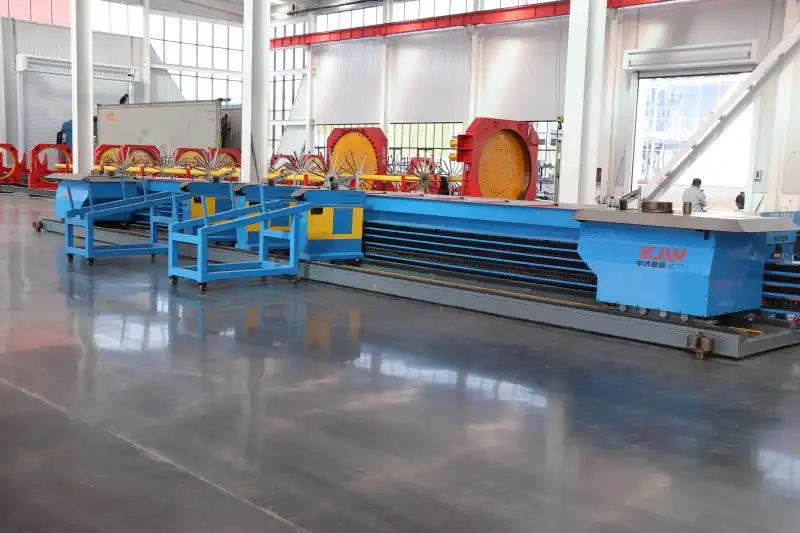
Understanding the Challenges in Rebar Fabrication
Rebar plants with semi-automated or fully manual lines have a number of issues that get worse over time. The first thing that needs to be done to choose the right automatic option is to understand these pain points.
The Hidden Cost of Manual Bending Operations
Bending by hand is slow and hard on the body. A skilled user can only work on a certain number of bars during a shift, and making angle mistakes becomes more likely as they get tired. The McKinsey Global Institute's 2017 study on building productivity says that the construction industry has one of the lowest rates of labor productivity growth among major industries. A big reason for this is that a lot of the work is done by hand, especially rebar work.
Material Waste from Inconsistent Angle Control
Fabrication teams cut extra length as a cushion when the angles of bend change from piece to piece, which creates scrap. Even a 2% material waste rate on rebar can add up to tens of thousands of dollars in extra steel costs on big infrastructure projects. Controlling angles consistently isn't just a matter of quality; it also cuts costs directly.
Safety Risks in High-Volume Production Environments
Handling heavy steel without the right mechanical support can seriously hurt you. When workers move long bars by hand while bending, they risk pinch points and strain injuries. In the United States, plants that want to follow OSHA rules need to have equipment that cuts down on manual handling without slowing down production.
Introducing the LYWQ-50 CNC Horizontal Rebar Bending Center
The CNC Horizontal Rebar Bending Center LYWQ-50 was built from the ground up to handle large amounts of precise rebar processing in tough construction and infrastructure settings.
Core Mechanical Architecture
A horizontal closed-loop frame structure supports the machine and is more rigid than open C-frame designs. This structure keeps the frame from bending when it's loaded, so the bending force is delivered the same way every time. The standard pressure capacity of 500kN lets bars up to 50 mm in diameter be processed. This includes all the rebar sizes used in bridges, tunnels, and high-rise buildings.
CNC Control System and Programming Interface
The industrial-grade PLC control system is run by a tablet with a high resolution. Operators can save bending programs with more than one step, enter coordinates directly, or import DXF files for more complicated bent sequences. The system has an automatic springback compensation database. When workers choose the type of material, the controller changes the over-bend angle to match. This takes the guessing out of the production process.
Compatibility with Standard Rebar Sizes
The LYWQ-50 can handle a variety of rebar diameters, so it can be used for projects with different structural needs. The machine's die system, which is made of heat-treated Cr12MoV alloy steel, can handle a wide range of materials, from standard construction bars to the heavy-gauge reinforcement used in nuclear power and hydropower plants. It can do this without damaging the surface or reducing the thickness at the bend radius.
Key Features and Benefits Driving Productivity Improvements
When purchasing teams look at CNC bending equipment, they need specific performance benefits, not just general claims. This machine is very helpful for a manufacturing plant because it:
- Angle Repeatability at ±0.3°: Verified over 500 consecutive cycles using laser protractor calibration during quality inspection. This reduces the angular variation that causes assembly misalignment on-site.
- Backgauge Positioning at ±0.1mm: The servo-controlled backgauge system positions each bar with sub-millimeter accuracy, cutting the time operators spend checking and adjusting between pieces.
- Industry 4.0 Connectivity: The LYWQ-50 features an RJ45 Ethernet port and Modbus TCP/IP compatibility, allowing integration into MES platforms for real-time production monitoring and data logging.
- Low Maintenance Schedule: Under standard 8-hour shifts, the hydraulic system requires a filter check every 6 months and a full oil change every 2,000 operating hours — a manageable maintenance load that supports high equipment uptime.
Repeatability of Angle at ±0.3°: Checked over 500 times in a row using a laser protractor's calibration during a quality check. This cuts down on the angle changes that lead to assembly errors on-site.
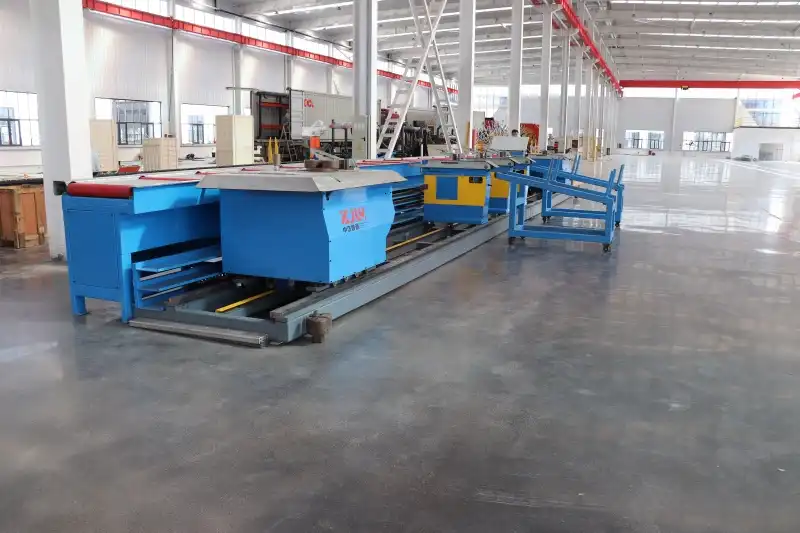
Comparing the LYWQ-50 with Traditional and Competitive Solutions
It's easy to see how the costs and benefits of manual machines, basic hydraulic benders, and full CNC systems compare. The CNC Horizontal Rebar Bending Center LYWQ-50 strikes a good balance between the level of automation and the return on investment (ROI) for the plant.
Manual Bending Machines: Speed and Accuracy Limitations
For each angle setting on a manual bending machine, the user needs to be skilled. The speed of production is limited by the physical abilities of the people who work there, and the regularity of angles depends on each person's skill. Manual equipment sets a hard throughput ceiling for plants that process more than 500 bars per shift.
Vertical CNC Benders: Gravitational Deformation Risk
Vertical bending tools work on bars that are standing up straight. For long, heavy-gauge rebar, this causes gravitational sag at the end that isn't supported, which causes angle errors that are hard to fix in code. The horizontal structure of the LYWQ-50's worktable solves this issue by keeping the piece flat and supported during the bending cycle.
ROI Perspective for Large-Scale Infrastructure Projects
Rebar plants that supply high-speed railroad or highway projects have to deal with large amounts of work every day and have tight delivery windows. Cutting the cycle time for each piece by just 15–20 seconds adds up to a lot of saved work hours when you do thousands of pieces every day. When reliable angle control is combined with less scrap, the investment pays for itself much more quickly in high-volume processes.
Implementing the LYWQ-50: Practical Considerations for Procurement
Getting the LYWQ-50 from an order to full production operation involves several straightforward steps that Zhongji Luyuan supports at every stage.
Sourcing and Lead Time
The machine is available through Zhongji Luyuan's authorized sales network. For B2B clients evaluating the LYWQ-50 as a CNC horizontal bending center supplier relationship, the company provides detailed technical datasheets, factory visit options, and customized configuration discussions before order confirmation. Lead times vary based on configuration, and the sales team can provide project-specific delivery schedules.
Installation, Training, and After-Sales Support
Zhongji Luyuan provides on-site installation support and operator training as part of the purchase package. The company's after-sales service team covers commissioning verification and early-stage production monitoring to confirm the machine performs to specification in the client's specific environment. Warranty terms and bulk purchase incentives are discussed directly with the procurement team based on order scope.
Quality Assurance Before Delivery
Every unit passes a multi-stage inspection protocol aligned with CE and ISO 9001 standards before shipment. This includes a 24-hour hydraulic stability test, angle repeatability calibration over 500 cycles, die alignment checks, and full electrical safety testing on the CNC control cabinet.
Conclusion
The CNC Horizontal Rebar Bending Center LYWQ-50 solves the real production issues that rebar manufacturing plants have, like uneven bending angles, a high reliance on labor, wasteful material use, and the risk of equipment breakdown. Its servo-controlled backgauge, horizontal closed-loop structure, and CNC springback adjustment system make it more accurate and faster than manual and vertical bending methods. This machine is a good buy for procurement teams working on infrastructure, rail transit, business building, or energy projects because it works well and is technically solid. Zhongji Luyuan backs up every unit with quality control checks done by the factory and service support after delivery.
FAQ
1. What rebar diameters does the LYWQ-50 process?
The machine can work with rebar that is up to 50 mm in diameter, from standard construction grades to heavy-gauge structural reinforcement used in tunnels and bridges.
2. How does the machine handle springback variation between materials?
The CNC processor has a library of material coefficients built right in. When operators type in the type of material, the system figures out the correct over-bend angle to reach the desired finished angle.
3. Is the LYWQ-50 compatible with digital production management systems?
Yes. The machine has an RJ45 Ethernet port and supports the Modbus TCP/IP protocol, which lets it be directly connected to MES platforms for tracking production and monitoring from afar.
4. What does the after-sales service package include?
Zhongji Luyuan offers on-site installation, training for operators, help with commissioning, and ongoing technical support. The repair plan for the hydraulic system is simple: the filter should be checked every six months, and the oil should be changed every 2,000 hours of use.
5. Does the machine meet international safety and quality standards?
Before being sent out, each unit is checked to make sure it meets CE and ISO 9001 standards. This includes making sure the electrical insulation is good, the hydraulic stability is confirmed, and the angle repeatability is set.
Ready to Increase Output? Contact Zhongji Luyuan Today
Since 2016, Zhongji Luyuan, a well-known and reliable CNC horizontal bending center maker, has provided automated reinforcement processing systems to big companies in the energy, infrastructure, and rail industries. You can get a unique quote, see the CNC Horizontal Rebar Bending Center LYWQ-50 in action, and talk to a technical expert about it. You can email our team at sales2@shandongluyuan.com to ask for product information or set up a factory review. When people ask about specific projects, our team answers quickly.
References
1. McKinsey Global Institute. Reinventing Construction: A Route to Higher Productivity. McKinsey & Company, 2017.
2. American Concrete Institute. ACI 318-19: Building Code Requirements for Structural Concrete. ACI, 2019.
3. International Organization for Standardization. ISO 9001:2015 Quality Management Systems — Requirements. ISO, 2015.
4. Construction Industry Institute. Automation and Robotics in Construction. CII Research Report, 2020.
5. National Institute for Occupational Safety and Health. Ergonomic Guidelines for Manual Material Handling. NIOSH, 2007.
6. Modern Steel Construction. Fabrication Technology Advances in Structural Steel and Rebar Processing. AISC, 2022.