How Does Electric Rebar Bending Machine Help Contractors Achieve Faster Rebar Preparation?
Oct 19, 2026
An electric rebar bending machine helps contractors achieve faster rebar preparation by automating the bending process with precision motor control, replacing slow and inconsistent manual methods. These machines bend reinforcement bars to angles between 0° and 180° in 2.5 to 5.0 seconds per cycle, delivering repeatable accuracy of ±1 degree. For large infrastructure projects where thousands of shaped bars are needed daily, this speed difference is significant. By reducing manual labor dependency and minimizing rework caused by incorrect bends, contractors can keep production schedules on track without sacrificing structural quality.
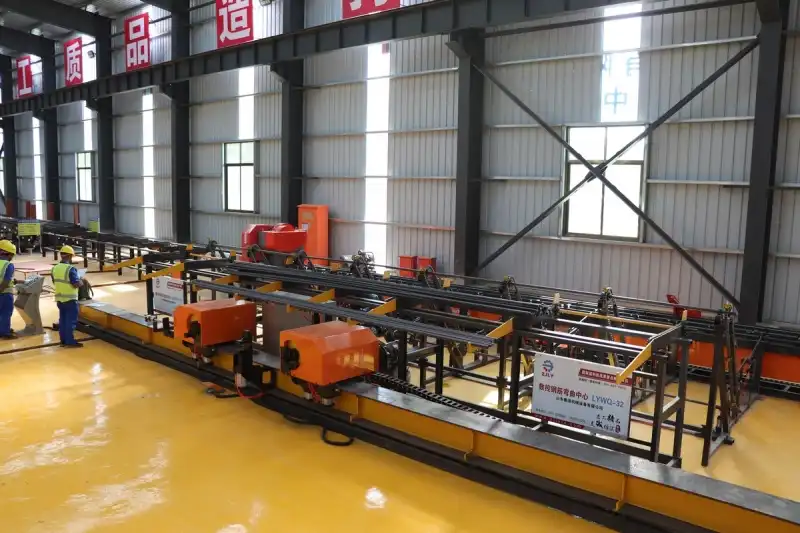
Understanding Electric Rebar Bending Machines and Their Role in Construction
What This Equipment Actually Does
An electrical or electro-hydraulic rebar bending machine is a special kind of tool used to cold-bend steel reinforcement bars into precise geometric shapes. When compared to methods that use heat, cold bending keeps the steel's internal grain structure, which stops micro-fractures from happening. On U.S. construction sites, machines that can handle ASTM A615 Grade 60 rebar are standard. Many of these machines can handle rebar diameters from 6mm to 32mm, which is enough for most structural applications.
Core Components That Drive Performance
The bending head assembly, the CNC control panel, and the power unit are the three main parts of a machine that determine its output quality. High-quality bent rollers and head blocks are made to HRC 45–50 hardness standards so they don't bend when big loads are applied over and over again. Copper-core motors with high thermal resistance can handle continuous service without getting too hot, and programmable control panels let workers save angle patterns for production runs that can be repeated.
Types Available for Different Project Scales
Depending on how much work they have, contractors can do one of three things. Portable electric benders are good for making changes to column stirrups on-site where space is limited. In rebar processing centers, heavy-duty stationary machines make a lot of things. Zhongji Luyuan makes CNC-controlled systems that can be used with automatic production lines to make things quickly and accurately for infrastructure projects like bridges, metro systems, and underground passageways.
How Electric Rebar Bending Machines Solve Traditional Rebar Preparation Challenges
The Real Cost of Manual Bending
Manual methods of bending are hard on the body and don't always give good results. In ideal conditions, a skilled worker could bend 60–80 pieces of stirrups by hand every hour. However, a motorized bender can do the same work in a lot less time. Not only are manual methods slower, but they also raise the risk of angular variation, which causes extra work and wasteful materials. These two issues directly raise project costs and reduce profit margins.
Automation Reduces Operator Strain and Safety Incidents
By letting an electric rebar bending machine use an electric motor and hydraulic piston system to do the work, operators avoid the repetitive motion injuries that are common in rebar work that is done by hand. Built-in safety interlocks keep the machine from turning on by accident, and foot-pedal controls let you position the bar with both hands free. These features are in line with OSHA rules for building tools and lower the number of accidents that happen on busy job sites.
Documented Efficiency Improvements in the Field
Field data from precast concrete factories shows that moving from manual to electric bending equipment cuts the time needed to process each unit by 60–75%. When a lot of complex double-bent stirrups are needed for bridge engineering projects, automated bending makes sure that the shape of every piece is the same. This gets rid of the problems with angular tolerances that slow down rebar cage assembly.
Key Benefits and Features Driving Faster Rebar Preparation
How well the rebar is prepared can make the difference between a job site that is moving quickly and one that isn't. These are the main reasons why electric bending equipment is a good choice for contractors:
- Speed: Bending cycles complete in 2.5 to 5.0 seconds, compared to 20–40 seconds per bend using manual tools. For a project requiring 10,000 stirrups, this difference saves dozens of labor hours per day.
- Precision: Programmable angle control delivers ±1 degree accuracy across all cycles. This consistency eliminates the fit-up problems that slow cage assembly and reduce the need for inspection-driven rework.
- Voltage Flexibility: Most portable units operate at 110V or 220V, making them compatible with standard U.S. site power without special electrical infrastructure.
- Diameter Range: Units handling rebar from 6mm to 32mm cover standard U.S. structural grades, including ASTM A615 Grade 60, across residential, commercial, and heavy civil applications.
These benefits directly fix the issues with maintaining production and accuracy that project directors and equipment managers often bring up during evaluations of procurement. When machines keep working without stopping for no reason, project plans stay on track and crew effectiveness goes up.
Comparing Electric Rebar Bending Machines with Other Types for Informed Decision-Making
Electric vs. Hydraulic Benders
When working with bars that are #10 or bigger, hydraulic benders are better because they can produce more peak force. But they need to have their ISO VG46 hydraulic oil changed every three to six months, and when it's cold, the fluid becomes thicker, which slows it down unless warm-up cycles are done. electric rebar bending machine models don't need as much upkeep, which makes them better for settings where production is ongoing and downtime is expensive.
Electric vs. Manual Benders
Manual benders are cheaper up front—basic models usually cost less than $200—but they can't handle more than a few hundred bends per day, so they're not good for projects that need to do a lot of them. When medium- to large-sized contractors work with a lot of rebar, the cost of labor per bend on manual equipment quickly goes over the cost of owning an electric machine over the course of a year.
What to Prioritize When Comparing Brands
When looking at different suppliers, you should pay attention to the ratings for head block hardness, the material of the motor winding (copper vs. aluminum), the warranty terms, and whether replacement parts can be bought locally or through the supplier. Zhongji Luyuan was established in 2016 with 50 million yuan in listed capital. It makes equipment that has been used in high-speed train, highway, and nuclear power projects in several countries. Their machines are made to handle processing rebar on an industrial scale. They have quality control protocols that have been tested and proven to work. These include hydraulic pressure stability tests, angle load tests that go over 500 cycles, and high-pressure seal integrity inspections.
Procurement and Deployment: How to Choose and Buy the Right Electric Rebar Bender?
Matching Machine Specs to Project Requirements
Before you buy, you should think about what size rebar your projects need, how much you want to produce each day, and whether the machine needs to be movable or fixed. A processing center with three shifts needs a machine that can handle heavy-duty continuous cycles. On the other hand, a site crew may want a machine that is portable and works with single-phase power.
Evaluating Supplier Reliability
For business-to-business buyers, the track record of the seller is just as important as the machine specs. Zhongji Luyuan has built long-term partnerships with China Railroad, China State Construction, and China Communications Construction. It also sells its goods in over 100 countries, such as the US, South Korea, and Israel. With this much deployment history, you can be sure that the tools will work successfully in a wide range of site situations.
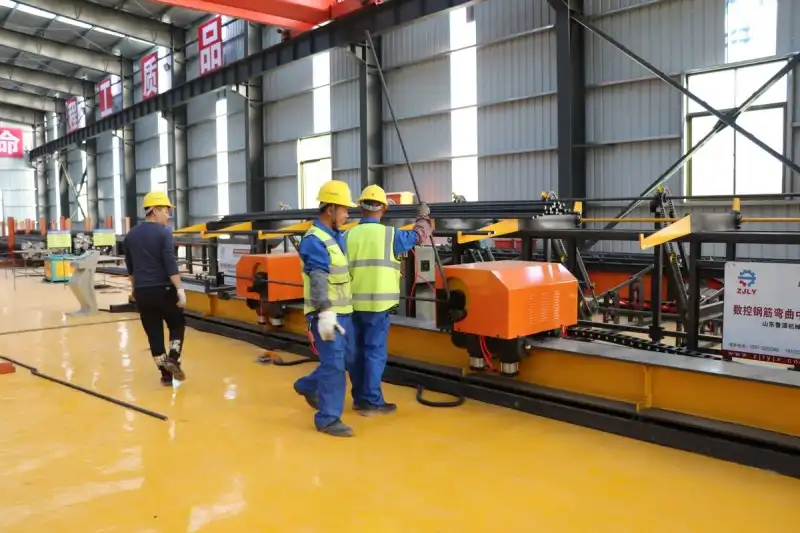
After-Sales Support and Spare Parts Access
Before you buy something, make sure that the supplier offers installation help, operator training, and a quick way to get technical support. High-quality units have carbon brushes with external brush holes that allow for quick changes in the field, which cuts down on maintenance downtime. The two things that are most likely to decide if an investment in tools pays off are the availability of spare parts and the time it takes for service to arrive.
Conclusion
Speed in preparing rebar is gained by switching from manual processes that aren't always reliable and require a lot of work to controlled, repeated machine production. electric rebar bending machine equipment can make that change because it has precise motor control, programmable angle settings, and is built to last for long-term use on the job site. The production gains can be seen and measured in everything from building metros to engineering bridges. People who work for contractors who choose the right machine from a reputable supplier set up their teams to meet tight deadlines with fewer mistakes and lower costs per unit. The difference between a one-time buy and a long-term production asset is the technical standards and after-sales assistance of the equipment you choose.
FAQ
How much faster is an electric bender compared to manual bending?
A single cycle on an electric rebar bender takes between 2.5 and 5 seconds. It usually takes 20 to 40 seconds to bend the same bar by hand, but it depends on the width and the skill of the person doing it. This speed advantage directly means a lot less work each day for jobs with a lot of work.
What safety features should I look for?
Look for machines that can be started with the foot pedal, have safety interlocks that stop them from starting by mistake, overload protection circuits, and external brush ports that let you do maintenance without taking the motor case apart. These parts lower the chance of a person getting hurt and meet OSHA safety standards for construction sites.
Can these machines handle Grade 75 rebar?
Grade 60 of ASTM A615 is what most standard units are rated for. Before you can bend Grade 75 rebar, you need to make sure that the machine can handle its highest tensile strength. If you don't get manufacturer confirmation, you shouldn't use a machine that is too small for Grade 75 stock because the head block could break.
Why does my machine slow down in cold weather?
When it's cold, hydraulic fluid becomes less viscous, which slows down the piston's response time. Before production, running a few no-load cycles warms up the fluid and keeps performance stable. Using the right type of ISO VG46 oil also makes the engine less sensitive to cold weather.
Are replacement parts easy to source?
Carbon brushes, seals, and bending rollers can be bought through the supplier's after-sales network for machines made by reputable companies like Zhongji Luyuan. Make sure the parts are available and the wait time is short before you buy.
Get Faster Rebar Processing With Zhongji Luyuan — Contact Us Today
Zhongji Luyuan has many different kinds of electric rebar bending machines for infrastructure contractors who need to make a lot of things and need them to be reliable. As a well-known company that makes electric rebar bending machines that are used in almost 100 countries, we offer expert help and after-sales service after the sale for all of our machines. To get help choosing products or equipment for your next project, go to zjly2025.aixdb.cn or email our sales team at sales2@shandongluyuan.com.
References
1. American Concrete Institute. ACI 318-19: Building Code Requirements for Structural Concrete. American Concrete Institute, 2019.
2. Construction Industry Institute. Automation and Robotics in Construction. University of Texas at Austin, 2021.
3. American Institute of Steel Construction. Steel Construction Manual, 16th Edition. AISC, 2022.
4. ASTM International. ASTM A615/A615M: Standard Specification for Deformed and Plain Steel Bars for Concrete Reinforcement. ASTM International, 2022.
5. Occupational Safety and Health Administration. Construction Industry Standards: 29 CFR Part 1926. U.S. Department of Labor, 2020.
6. McGraw-Hill Construction. Engineering News-Record: Technology and Equipment in Heavy Civil Construction. McGraw-Hill, 2023.