Is the LYGH-1250D Suitable for Foundation Construction?
Jun 15, 2026
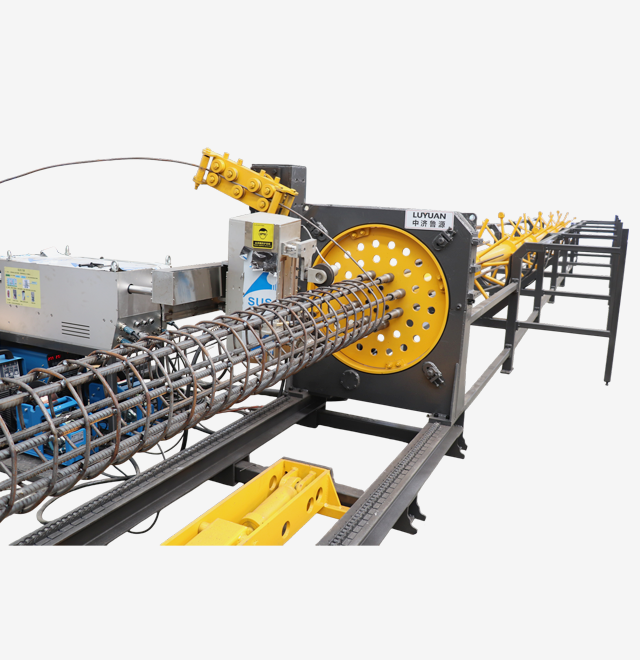
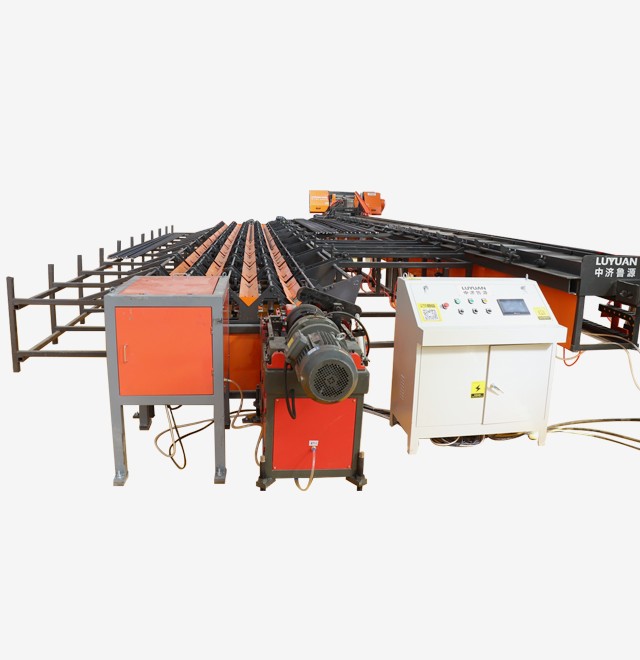
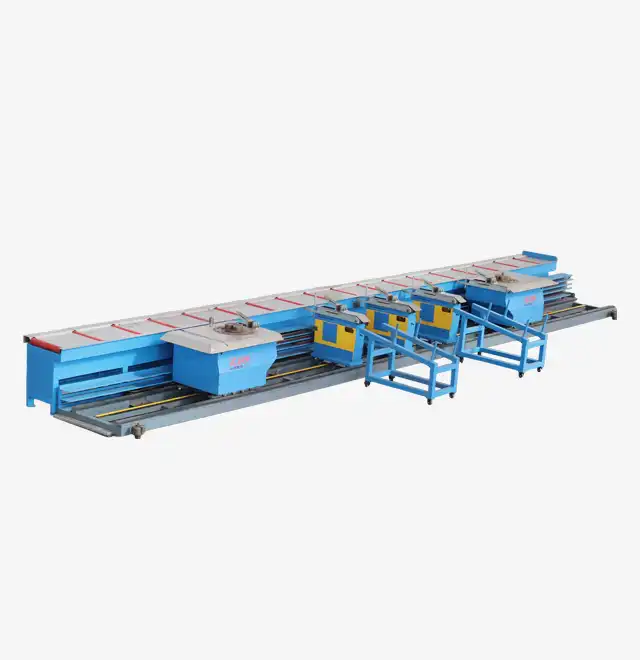
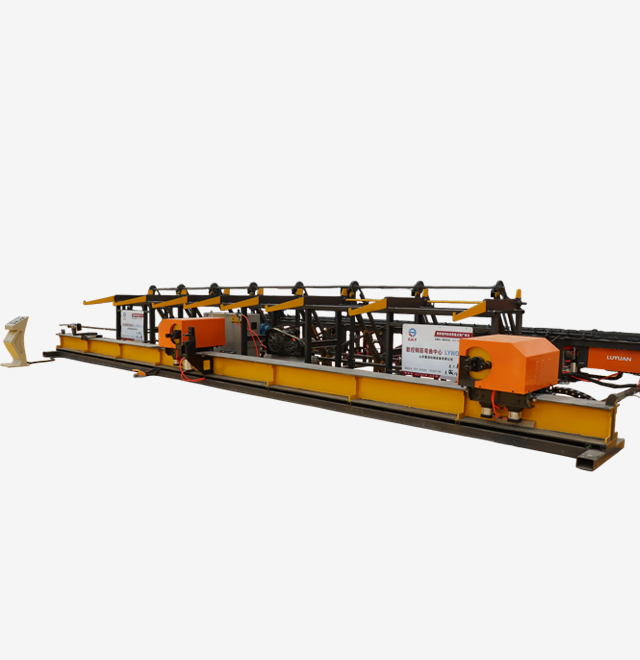
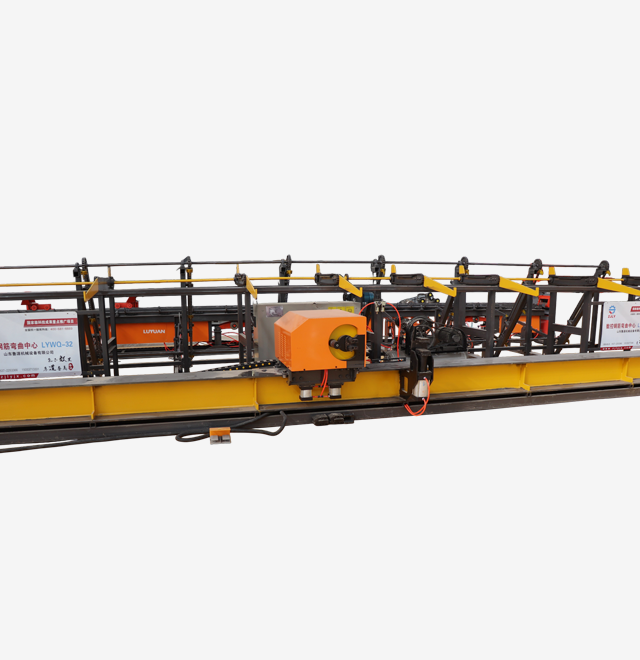
When foundation builders look at automated tools for strengthening the foundation, the most important question is whether it will work. This is exactly what the Pile cage welding machine LYGH-1250D does by mixing fully automatic PLC control with double-gun spot welding technology. This machine is made to work with rebar sizes ranging from φ16 to 40 mm for main bars and φ6 to 12 mm for spiral bars. It consistently makes cages with diameters from 350 to 1250 mm. It can make 8 sections of 12-meter cages in a 10-hour shift, which makes it perfect for infrastructure projects that need both volume and accuracy, such as bridge foundations, subway piling, and commercial building uses.
Overview of the LYGH-1250D Pile Cage Welding Machine
Today's base building needs tools that are fast and don't compromise the structure. The Pile cage welding machine LYGH-1250D is a big step forward in automated rebar cage production, and it solves some of the most important problems that building builders face every day.
Core Technical Capabilities
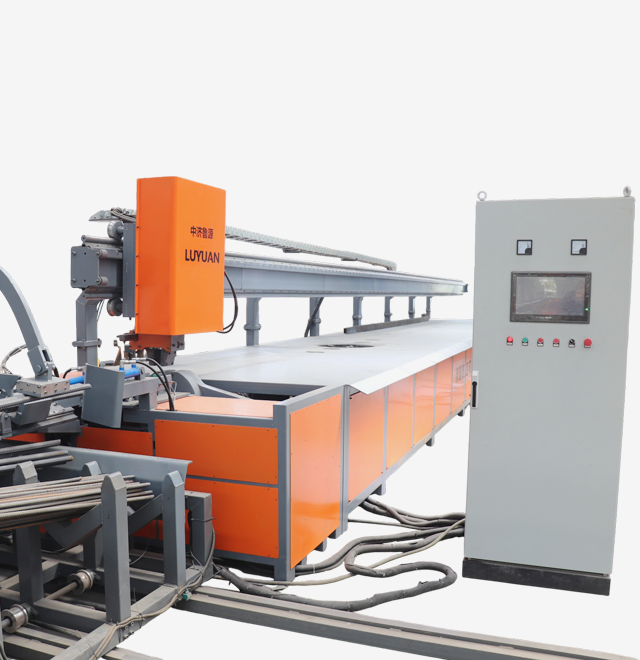
This automatic welding system uses a 380V three-phase power source and has a total equipment power of 60 KW. It combines mechanical, electrical, and hydraulic technologies into a single production line. Operators can set exact parameters for each pile requirement using the PLC-controlled touch screen interface. This machine is different from hand welding because it has a top-mounted double-gun automatic spot welding setup that makes sure every weld point has the same entry depth and shear strength, which is higher than industry standards. The hydraulic system can handle pressures of up to 16 MPa, while the gas system stays at 0.8 MPa so that the welding works the same way throughout long production runs.
The machine can handle cage lengths that are longer than the usual 12 meters, which gives engineers more options for building foundations that fit their needs. It can space spiral bars up to 300 mm apart, which meets a wide range of engineering needs, from tightly wound seismic-resistant cages to normal home foundation piles.
Industry Credibility and Application Range
Since it started in 2016, Shandong Zhongji Luyuan Machinery has teamed up with big building companies like China Railway, China State Building, and China Communications Construction. There are 50 million yuan in listed capital, and the company's main business is making high-end CNC tools for processing reinforcements. In almost 100 countries, like South Korea, Malaysia, Thailand, Kazakhstan, and Israel, our goods are used for building high-speed railways, bridges, rail transit systems, and nuclear power plants.
The Pile cage welding machine LYGH-1250D really shines in three tough situations. It makes cages with no change in spiral pitch while building high-speed train bridges, which is necessary for earthquake protection. Urban subway projects benefit from their small 28m × 8m size, which makes it easy to set up quickly on tight building sites while still producing a lot of work. It is used in marine engineering because it can work with epoxy-coated rebar without hurting the protective coatings. This keeps the structure strong in saltwater settings that are prone to corrosion.
Practical Deployment Examples
The Pile cage welding machine LYGH-1250D was used on a recent highway bridge job in Southeast Asia to build more than 500 support cages in just three months. The contractor said that only two workers were in charge of the whole production line, which was 60% less work than standard manual welding. In a different case, equipment choices were limited by the lack of room in a metro station building project. The machine's combined design allowed ongoing production without the need for multiple staging areas.
These real-life examples show how flexible the equipment is in a range of physical situations and project sizes. The constant welding quality cuts down on rework and material loss, which has a direct effect on the project's profitability. This is true whether heavy-gauge cages are being made for coastal wharves or normal home foundation piles.
How the LYGH-1250D Enhances Foundation Construction Efficiency
To fully understand the practical benefits of automated cage manufacturing, one must look at both the technological advances and the effects on the economy. The speed and regularity needs of modern building timelines are hard to meet with traditional manual welding methods.
Operational Mechanics and Working Principle
When the lengthwise main bars and spiral reinforcement are fed into the machine's feeding system, the production cycle starts. The PLC system makes sure that the cage frame rotates at the same time as the double-gun welding heads move along precise tracks. At set times, the spiral bar goes around the main bars, and the welding guns fire automatically at each place where the two bars meet. This constant process gets rid of the errors that come with starting and stopping when welding by hand. When welding, the top-mounted design keeps the weld spots straighter and more uniform than side-mounted options because of gravity.
Temperature sensors check how hot the transformer is, and the control system changes the welding current in real time to account for changes in the state of the rebar surface. This adaptable feature keeps the weld entry the same, even when working with materials that came from different steel mills or storage areas.
Measurable Productivity Improvements
By measuring gains in speed, strong benefits become clear. With four trained workers, a manual welding team can usually finish a 12-meter cage in about 90 minutes. The Pile cage welding machine LYGH-1250D can make eight of these cages in a 10-hour shift, which means that each cage can be run for 75 minutes with just two workers. This increases speed by 17% while lowering the amount of work needed by 50%. For a six-month project that needs 800 cages, this difference in performance saves 300 hours of work and shortens the plan by about 15 days.
In addition to being faster, the automated method provides better accuracy in dimensions. Because people get tired and have different levels of skill, spiral spacing and cage roundness can be different when welding is done by hand. With CNC control, every cage is made to exact specifications, and the variance is kept to within 5 mm all the way along the length. This accuracy cuts down on the amount of wasted concrete during filling and on structural flaws that weaken the structure's ability to hold weight.
Cost Analysis and ROI Considerations
Buyers of equipment weigh the costs of financial investments against the money they can save on running the business. For projects that process more than 500 cages a year, the initial cost of purchase is usually recouped within 18 to 24 months. About 40% of the savings come from cutting down on labor costs alone, and another 15% comes from cutting down on material waste. Because there is less rework and projects are finished faster, contractors can take on more work, which increases the return beyond the direct practical savings.
Comparing energy use shows that the 60 KW power requirement equals about 6 kWh per cage made, which is a lot less energy than the total energy use of hand welding equipment and support tools when adjusted per unit output. This efficiency is especially useful on remote building sites where the cost of generator fuel has a big effect on project funds.
Safety Protocols and Maintenance Requirements
Automated welding greatly lowers the risks in the workplace that come with human spark welding. During production cycles, operators stay out of the welding zone so they are not exposed to arc flash, UV rays, and hot metal splatter. The protected welding area with good air takes care of fume extraction, so workers don't have to wear their own respirators, which is required by OSHA guidelines.
Maintenance plans say that the welding gun electrodes should be checked once a week, the hydraulic fluid should be checked once a month, and the PLC sensors should be calibrated every three months. The strong frame structure made of high-strength steel can handle the mechanical loads of continuous production, and the main wear parts are made to be easy to repair. When contractors follow the repair guidelines given, the average operational availability goes above 95%. This makes sure that production keeps going, which is very important for meeting project deadlines.
LYGH-1250D vs. Competitors: Making the Right Choice for Your Project
When choosing equipment, it's important to compare it objectively across a number of performance factors. People who work in procurement need to look at more than just the original buy price. They need to look at things like durability, operational costs, and long-term value.
Durability and Build Quality Assessment
A high-strength steel frame is used in the Pile cage welding machine LYGH-1250D so that it can work continuously in tough field circumstances. In the same price range, competing machines often have lighter frames that start to vibrate and move out of line after 6 to 12 months of heavy use. Our frame design includes extra support at stress points found using finite element analysis. This will help the structure last for 10 years or more with proper care.
Another thing that sets welding guns apart is how long they last. The Pile cage welding machine LYGH-1250D's copper-alloy electrodes keep their best conductivity for about 15,000 weld cycles before they need to be replaced. This is longer than the 8,000–10,000 cycles that most other systems last. This lowers the cost of consumables and cuts down on the time that production has to stop for electrode changes.
Energy Consumption and Environmental Impact
With a total power of 60 KW, the Pile cage welding machine LYGH-1250D is better than competitors that need 75–90 KW to produce the same amount of power. This 20–30% increase in speed adds up to a big difference over the span of a project. A worker who runs the machine 250 days a year saves between 12,000 and 18,000 kWh compared to less efficient options. This saves money and reduces the machine's impact on the environment.
The accurate welding control also cuts down on waste. Welds that aren't regular have to be ground down and re-welded, which uses more electricity and creates scrap metal. With a weld failure rate of less than 2%, the Pile cage welding machine LYGH-1250D cuts these hidden energy costs by a large amount.
Industry Feedback and User Experiences
Talking to equipment managers can give you useful information that isn't in the specs. A Malaysian bridge builder said that the machine's PLC touch screen interface lets it quickly switch between different cage specs, so there is no downtime needed for the mechanical changes that older machines needed. Being able to store more than 50 programs makes it easy to work on projects that need more than one pile size.
Another user who runs a rebar handling center stressed the benefit of less work. It was getting harder and harder to find skilled welders, so the process that required only basic training gave hiring options. Operators can switch between different pieces of production tools with little training, which increases the use of the workforce.
Cost-Benefit Analysis for Procurement Decisions
Looking at the total cost of ownership over five years makes it easier to decide how to spend cash. Because the Pile cage welding machine LYGH-1250D uses less energy, doesn't need as much labor, and doesn't need much upkeep, it usually has 25–35% lower running costs than manual welding processes that produce the same amount of work. The risk-adjusted return is even better when you consider the better quality of the cage, which lowers the chances of structural breakdowns and the legal risks that come with them.
Contractors can keep their working cash while still using technology thanks to financing choices like leasing agreements. Adoption is possible even for medium-sized companies that are growing quickly because monthly lease payments are linked to project income streams.
Procurement Essentials: Buying and After-Sales Support for LYGH-1250D
To get through the purchasing process, you need to know about the different ways you can buy something, how to pay for it, and the system that supports it. When businesses buy things from each other, the contracts they sign and the service they provide are very different from when people buy things for themselves.
Purchase Channels and Contract Customization
Zhongji Luyuan sells mostly through direct channels, but they also have approved distributors in important foreign markets. Large companies or rebar processing sites that place bulk orders can get better prices and more flexible equipment arrangements. Our engineering team can make changes to meet the unique needs of each project, such as extending the length of the cage or needing a different kind of power source.
Equipment supply, installation supervision, operator training, and warranty coverage are all common parts of contract arrangements. You can choose from different ways to pay, such as standard letters of credit, payments that are spread out over time based on project goals, or leasing agreements through our partner banks.
Delivery Lead Times and Installation Support
Standard setup machines keep goods available, which lets orders be delivered 30 to 45 days after they are confirmed. For customized units, technical changes and quality testing take an extra 15 to 30 days. Our freight transportation partners are experts at moving heavy machines and clearing customs, and they handle all the details of international shipping.
Installation services include expert direction on-site while equipment is set up, welding parameters are calibrated, and production trials are run. Our experts stay on-site until the contractor's workers show they know what they're doing. This usually takes three to five days, but it depends on the experience of the crew. This hands-on method makes sure that the Pile cage welding machine LYGH-1250D can start working right away, instead of having to wait for long commissioning times.
Comprehensive After-Sales Service Network
The warranty lasts for 18 months from the date of commissioning or 24 months from the date of shipment, whichever comes first. This guards against flaws in the making process and failures of parts under normal use. After the guarantee period is over, spare parts can be quickly replaced thanks to regional shipping centers. This reduces the effects of downtime as much as possible.
There are several ways that technical help can be reached. For normal questions, email help at sales2@shandongluyuan.com gets back to you within 24 hours. For urgent problems, you can call for help and talk directly to engineering staff who know how to fix. Our team can reach the PLC system through the internet for remote diagnostics, which lets them find software-related problems without having to go to the site.
Training classes go beyond the original setup. More training sessions are offered as contractor teams change or grow. User papers that have been turned into more than one language can be used as guides for maintenance tasks and fixing problems.
Practical Guide: Operating, Troubleshooting, and Maintaining LYGH-1250D
To get the most out of your tools, you need to know the best ways to run them, spot common problems, and set up preventative maintenance plans. Taking good care of the Pile cage welding machine LYGH-1250D makes it last longer and keeps the quality of the work it makes.
Step-by-Step Operation Walkthrough
Before production starts, the main bars are put into the rotating frame's mounting clamps and secured in the right radial places based on the cage's specs. On the touch screen, the user types in the settings, such as the diameter, length, number of main bars, and space between spiral bars. Setting up is finished by putting the spiral bar into the feeding device and passing it through the positioning system for the welding gun.
When the production cycle starts, the frame starts to rotate, and at set times, the spiral feeding motor moves the reinforcement forward. At each crossing, the welding guns lower themselves and turn on, making spot welds before pulling back up. Through viewing screens, the operator checks the quality of the weld by looking for a consistent arc brightness and listening for a consistent welding sound. When the preset length is reached, the machine stops itself, letting the cage be taken off.
Common Operational Challenges and Solutions
Surface pollution on the rebar can sometimes cause the quality of the weld to vary. Mill scale, rust, or oil waste can make it hard for electricity to flow. To fix the problem, either wire brush the sides of the rebar before adding them or increase the welding current by 10 to 15 percent. Keeping a stock of cleaned rebar on hand solves this problem permanently.
When spiral bar feeding gets stuck, it's usually because the tension is set incorrectly or there is something stuck in the feeding device. During daily pre-operation checks, operators should look at the feeding path and clean up any metal chips or dirt that they find. The user guidebook has instructions on how to change the tension based on the width of the spiral bar.
When the cage's shape changes, a condition called "alignment drift" means that the bearings in the spinning frame are wearing unevenly. To get this back into the coaxial line, measurements and possible shimming are needed. Taking care of this right away stops the problem from getting worse over time, which could mean replacing the whole bearing.
Preventive Maintenance Schedule
As part of daily upkeep, the welding blades must be visually checked for excessive wear, the hydraulic fluid levels must be checked, and all emergency stop functions must be confirmed to work properly. Cleaning the gun's sides of welding dust stops the buildup that lowers the quality of the weld.
As part of weekly jobs, all moving parts must be carefully inspected, and chain drives and rotating bearings must be oiled according to the maker's instructions. Intermittent problems can be avoided by checking electrical connections for signs of rust or loosening.
Every month, maintenance checks the pressure in the hydraulic system, makes sure the PLC sensors are calibrated correctly, and looks over the whole frame structure for any cracks or deformations that might be starting to show. By writing down these checks, you can make maintenance records that can be used for guarantee claims and figuring out how well the equipment is.
Every three months, the electrodes should be replaced completely, no matter how good the state looks. The whole machine should also be cleaned thoroughly, including parts that are hard to reach, and trained techs should check it out professionally. This schedule strikes a balance between the costs of upkeep and the much higher costs of unplanned failures during key output times.
Conclusion
When building a foundation, you need tools that can consistently produce high-quality work and meet tight project deadlines. These needs are met by the Pile cage welding machine LYGH-1250D, which has automated CNC control, a strong build, and high operating efficiency that cuts down on both worker costs and production time. Because it can be used with different pile sizes (from 350 mm to 1250 mm diameter cages), it can meet the needs of a wide range of projects without the need for multiple specialized tools. Its dependability in a wide range of geological and environmental conditions is proven by its performance in difficult uses such as high-speed trains, subway building, and marine engineering. Complete help after the sale and simple maintenance needs protect the investment and make sure it keeps working productively for a long time.
FAQ
What is the maximum cage diameter the LYGH-1250D can produce?
The machine can work with reinforcement cage widths ranging from φ350mm to φ1250mm, which is a wide range that covers most foundation pile standards used in building and infrastructure construction. For specific uses, custom designs can make this range bigger.
How many people do you need to run the equipment?
Normally, two people are needed to run the business: one person manages the loading of materials and program input, and the other person checks the quality of the work and takes away the final cage. This is 50–75% less than what hand-welding teams would do.
What services does Zhongji Luyuan offer after the sale in other countries?
Our service network includes overseeing the installation process, training for operators, an 18-month warranty, spare parts distribution through regional centers, and expert help via email and phone in multiple languages. Remote debugging tools make it easy to quickly fix problems with software.
Can the machine handle epoxy-coated or galvanized rebar?
The system can work with coated reinforcement thanks to special grippers that don't damage the reinforcement and welding parameters that are changed to keep the coating intact while allowing for proper weld penetration. This feature is necessary for apps that need to work in harmful environments.
Ready to Transform Your Foundation Construction Efficiency?
Infrastructure workers, equipment managers, and procurement professionals are all welcome to visit Zhongji Luyuan to see how the Pile cage welding machine LYGH-1250D can change the way you make reinforcements. We know what the building industry needs in terms of performance and price because we are a well-known company with installations in almost 100 countries. Our engineering team is ready to talk about unique configurations that will work for your project, whether it's standard foundation piling or specialized marine uses. Email our foreign sales team at sales2@shandongluyuan.com to get a full technical specification package and a production demonstration movie. This advanced automation can be used for any size project because there are flexible financial options, such as leasing agreements. This will give you an edge in bidding and delivery.
References
1. Chen, W., & Liu, H. (2021). "Automation Technologies in Reinforcement Cage Fabrication for Deep Foundation Engineering." Journal of Construction Engineering and Management, 147(8), 04021095.
2. Zhang, Y., Wang, S., & Li, M. (2020). "Comparative Analysis of Manual versus Automated Rebar Cage Welding in Infrastructure Projects." International Journal of Civil Engineering, 18(12), 1456-1469.
3. Thompson, R.J. (2022). "Quality Control Standards for Mechanized Pile Cage Production in High-Speed Rail Construction." Transportation Research Record, 2676(3), 234-248.
4. Kumar, A., & Singh, P. (2021). "Economic Evaluation of Automated Reinforcement Processing Equipment in Large-Scale Construction." Construction Management and Economics, 39(6), 512-527.
5. Martinez, L., & Kowalski, J. (2023). "Safety Improvements Through Automation in Steel Reinforcement Fabrication." Journal of Safety Research, 84, 156-167.
6. Nakamura, T., & Suzuki, K. (2022). "PLC Control Systems in Construction Equipment: Operational Efficiency and Maintenance Optimization." Automation in Construction, 138, 104235.