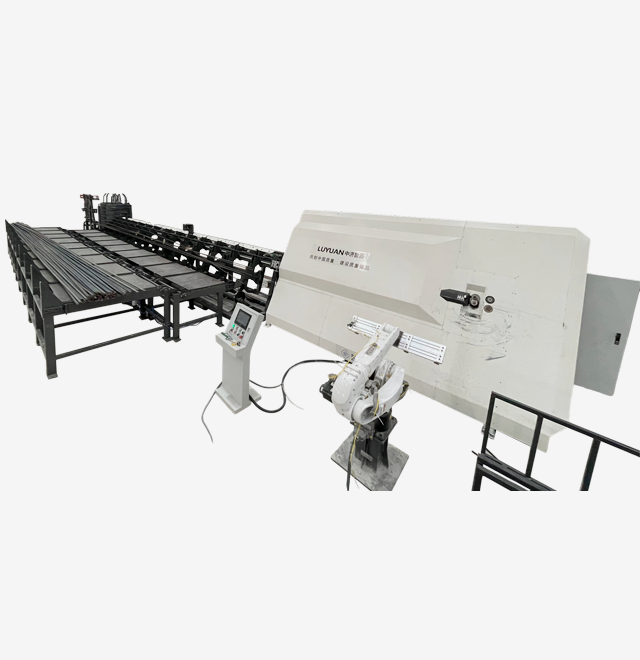
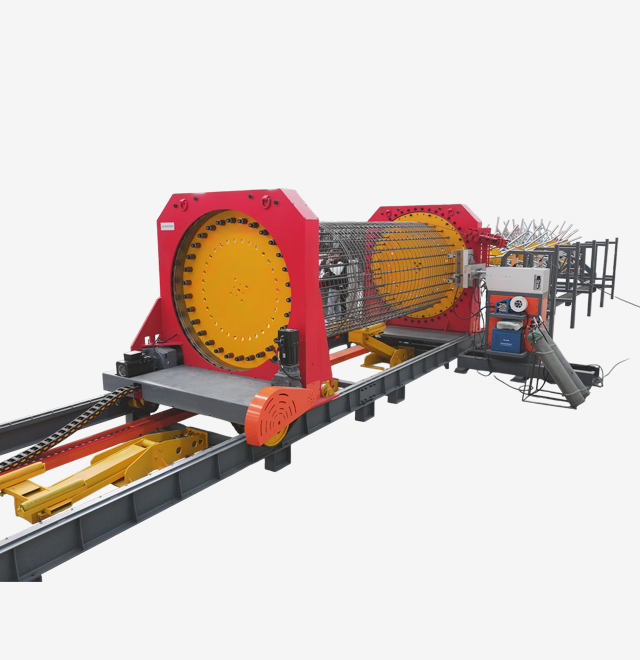
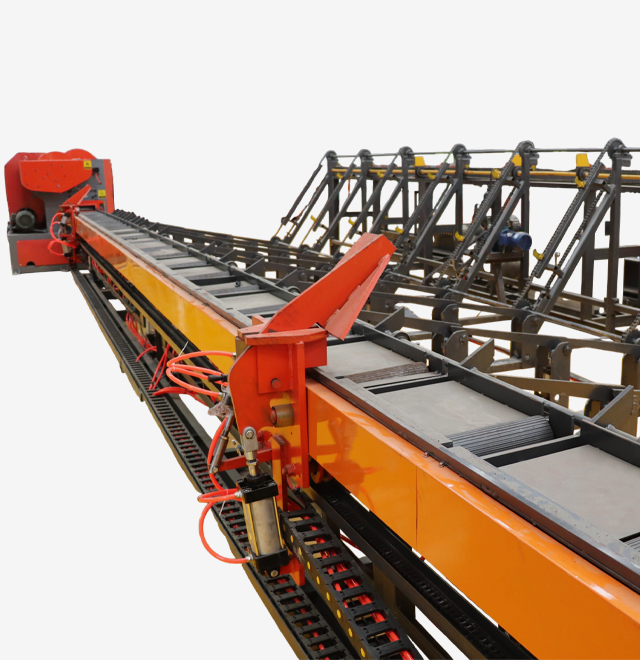
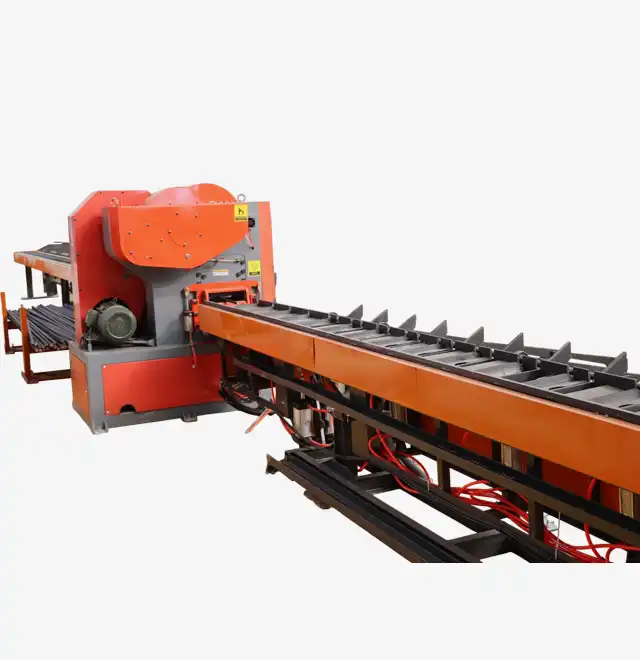
Telescopic Pile Cage Welding Machine LYGH-1600T for Rebar Cages
Jun 15, 2026
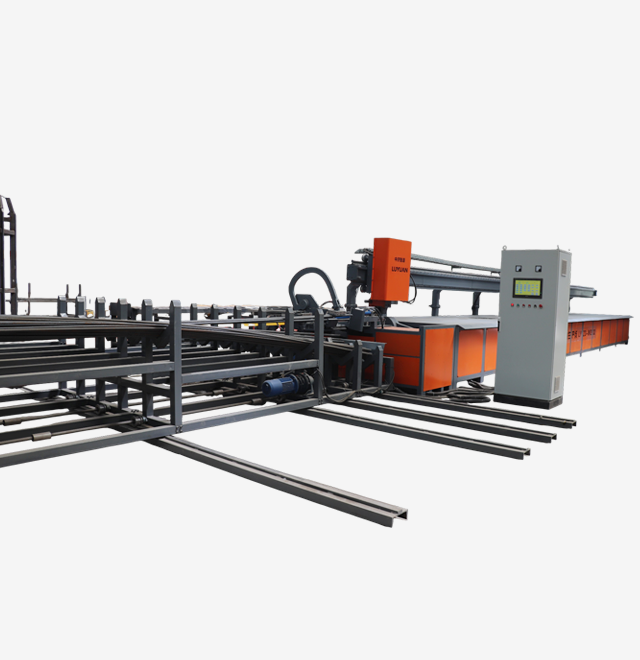
When we talk about how to change the way deep foundations are built, the Telescopic pile cage welding machine LYGH-1600T stands out as a well-thought-out option for making rebar cages automatically. This fully automated equipment meets the growing needs of building builders who want consistent quality, quick production cycles, and less reliance on workers. This machine changes the traditional way of making pile cages into a smarter, more efficient process that meets international engineering standards. It can handle cage sizes from 400mm to 1600mm and lengths of up to 18 meters.
Introduction to the LYGH-1600T Telescopic Pile Cage Welding Machine
In the United States, building infrastructure depends more and more on high-tech tools that can be used quickly and accurately. The Telescopic pile cage welding machine LYGH-1600T is a big step forward in the technology used to make pile cages. It combines PLC-controlled automation with a strong mechanical design that makes it useful for high-speed rail projects, bridge foundations, metro construction, and hydropower installations.
Addressing Critical Industry Pain Points
Today, construction companies have to deal with three problems that are all linked and have a direct effect on how profitable their projects are. Wages have gone up because of a lack of workers, but the number of skilled welders is still going down. When structures are made by hand, they can have geometric flaws that make them less stable. This is especially a problem in earthquake zones where load-bearing accuracy cannot be compromised. When making pile cages, can't keep up with building plans, there are production bottlenecks that push back the whole project schedule.
These problems can be fixed by this automatic welding system, which has consistent weld quality, faster production rates, and only minimal training needs for operators. By cutting down on the need for specialized welding skills, the equipment lets contractors move skilled workers to more important jobs while still keeping high-quality cages.
Key Technical Capabilities
The LYGH-1600T uses a 380V three-phase power source and uses a total of 35 kW of power, with 30 kW going to the welding process. Its PLC control system and easy-to-use touch screen interface let operators quickly set the cage's specs, so they can change them to fit the needs of a project without having to wait for a long time. The flexible frame design allows for productions of different lengths, which makes it very adaptable to different types of foundations.
Main horizontal bars with a width of 16mm to 40mm and spiral reinforcements with a width of 6mm to 12mm can be worked with. The spacing between the spirals can be changed up to 300mm. This flexibility is very helpful for workers who are working on several projects at once, each with its own technical needs.
How the LYGH-1600T Welding Machine Works: Technical Insights
Knowing how the equipment works helps procurement workers figure out how it will fit into current production environments and processes. The design of the Telescopic pile cage welding machine LYGH-1600T is the result of decades of improving manufacturing techniques and taking into account feedback from big infrastructure builders around the world.
Core Component Architecture
A high-torque spinning drive gear is at the heart of the system. It makes sure that the cage rotates at the same speed during the welding process. Top-mounted double-gun welding heads provide even entry, which keeps the integrity of every joint weld. The hydraulic system works at up to 16 MPa, which is strong enough to hold big rebar structures in place while they are being built.
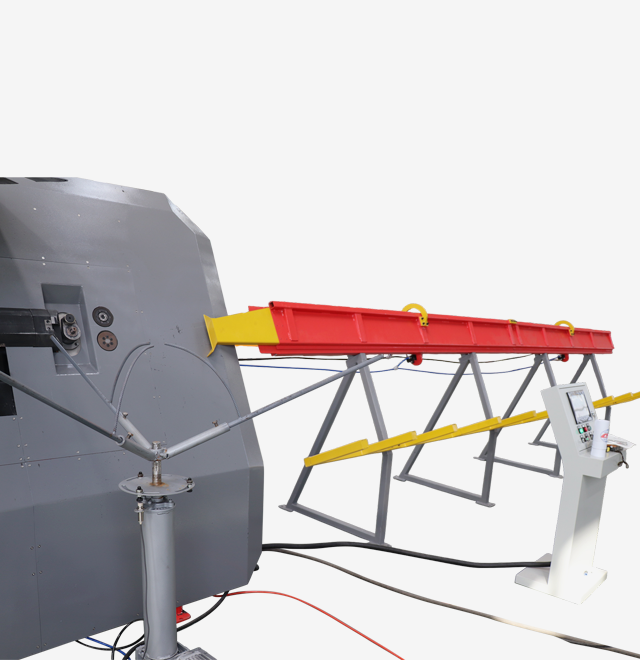
The technical benefit of the telescopic support system is very big. Instead of the fixed-length machines that take up most of the warehouse space, this frame can be customized to shrink for shipping and grow to fit cages up to 12 meters long. The whole system fits inside normal 40-foot high-cube containers for foreign shipping, which cuts down on shipping costs by a large amount.
Operational Workflow Optimization
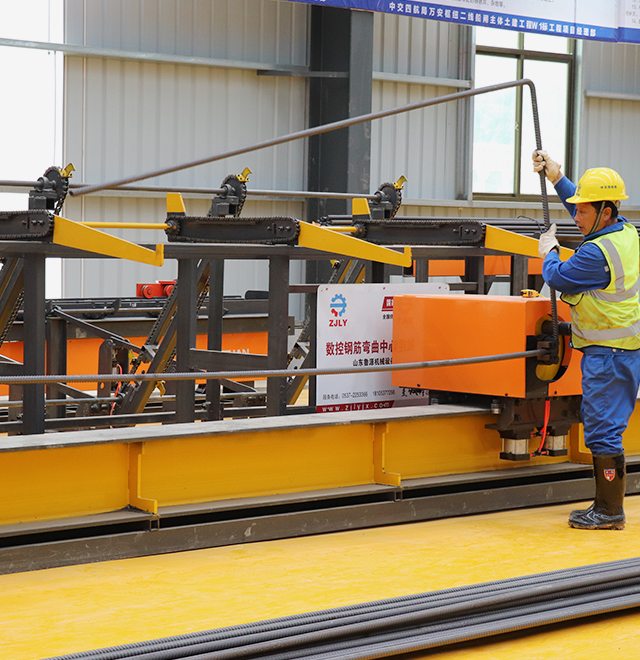
As soon as production starts on the Telescopic pile cage welding machine LYGH-1600T, workers put the main longitudinal bars into the spinning fixture and make sure they are spaced out according to the engineering plans. The automatic wire hopper then places the spiral reinforcement. As the cage turns, the two welding heads join the reinforcement to the main bars. It is important to keep the pitch accurately within ±2mm so that structural estimates match the conditions as they were when the building was built.
In a normal 10-hour shift, a two-person crew can make eight 12-meter cage pieces, which is three to four times as much work as a manual production team. This increase in speed directly leads to shorter project timelines and better use of resources.
Maintenance and Safety Protocols
Scheduled preventative repair is key to making sure that equipment works well. Control system problems can be avoided by backing up PLC program data once a week, and daily checks of the encoder orientation stop accuracy prevent it from slowly decreasing. Electrical cabinets need to be checked often to get rid of dust buildup, especially in manufacturing yards that are outside, where the weather makes parts more stressed.
Some safety features are emergency stop buttons, protective enclosures around welding areas, and automatic shutdown procedures that are set up to happen when operating parameters don't match what was designed. These safety measures meet OSHA and foreign safety standards and keep workers safe while limiting their liability.
Performance and Comparison: LYGH-1600T vs Competitors
When making a procurement choice, you need to compare results in an objective way and figure out the return on investment. When compared to both human processes and other automatic systems, the Telescopic pile cage welding machine LYGH-1600T shows clear benefits in a number of working areas.
Efficiency Metrics and Energy Consumption
The welding speed can be changed from 0 to 15 meters per minute, depending on the width of the rebar and the depth of the weld that needs to be achieved. The improved power transfer system makes the machines more energy efficient by lowering their use compared to older models. Contractors who work multiple shifts say they save a lot of energy every year, which helps bring down the total cost of the job.
In ideal conditions, the machine can make up to three cages per hour, but the real output depends on how complicated the cage is and how experienced the user is. Even the most optimistic estimates put the efficiency gains at 300% compared to manual teams, and the quality stability is much better than with hand-welded assemblies.
Quality and Structural Integrity
The Telescopic pile cage welding machine LYGH-1600T uses automated welding, which gets rid of the differences that come with doing things by hand. Every joint gets the same amount of heat and fuses for the same amount of time. This makes the tensile strength the same at all thousands of connection points. For high-rise buildings and important structures, where engineering formulas depend on materials working perfectly, this consistency is very important.
When finished cages are tested for concentration, horizontal variation is found to be less than 3 mm. This stops the wobble and deformation that happen during installation with units that were made by hand. This geometric accuracy cuts down on construction time while making sure that the concrete covers the reinforcements properly, which increases the service life of the building.
Adaptability Across Project Types
Because the machine's features can be changed, it can be used to build highway bridge piers, nuclear power plant structures, and metro stations in cities. Contractors who work with a wide range of clients like it when their equipment can be used on different types of projects without needing special tools or a lot of modification.
Customization choices include cage lengths longer than the normal 12-meter sections, which can meet the needs for deep foundations for wind turbine installations and offshore maritime buildings. This scalability saves businesses' investments in equipment as they work on bigger, trickier projects.
Procurement Guide: Sourcing the LYGH-1600T Telescopic Pile Cage Welding Machine
When you buy capital tools, you have to deal with supplier relationships, finance structures, and long-term support agreements. By understanding these aspects of buying the Telescopic pile cage welding machine LYGH-1600T, you can avoid common mistakes that lower the value of your tools.
Authorized Distribution and Verification
Zhongji Luyuan has a network of approved dealers who promise to deliver real products and offer factory-trained technical support. Steps in the verification process include checking the records of the distributor, going over the guarantee paperwork, and making sure that spare parts can be found through established supply lines. Since counterfeit technology is a constant problem in the business, supplier due diligence is a must.
Contractors who use the same rebar processing tools on multiple jobs or who run centralized fabrication facilities can get savings through bulk buy deals. Leasing tools is a way to get financing that helps you control your cash flow and use new technology right away.
Logistics and Installation Support
Taking into account production wait times and container vessel schedules, international shipping usually takes six to eight weeks from the time an order is confirmed until it arrives at a port. Zhongji Luyuan organizes logistics to keep customs delays to a minimum by sending full paperwork packages that speed up the clearance process.
For installation on-site, the Telescopic pile cage welding machine LYGH-1600T requires a 20-meter-by-6-meter foundation pad that is ready and equipped with sufficient electrical capacity for a 380V three-phase connection. Factory technicians handle the initial setup, including configuring control systems and training operator teams on proper operation and troubleshooting.
Total Cost of Ownership Considerations
In addition to the purchase price, looking at the projected operating lifespan, energy use, and upkeep needs gives a full picture of the finances. The LYGH-1600T is built to last, so wear parts don't need to be replaced as often. Standardized parts supply also keeps upkeep costs low.
The biggest ongoing savings come from lowering the cost of labor. When five-person manual teams are replaced with two-person automated processes, the company saves money every year, and on high-volume jobs, the equipment is usually paid for within 18 to 24 months.
LYGH Brand and Industry Reputation
Since it started in 2016, Shandong Zhongji Luyuan Machinery Co., Ltd. has become one of the biggest companies that makes CNC Telescopic pile cage welding machine LYGH-1600T tools for processing rebar. The company has 50 million yuan in registered capital and only does high-end processing solutions for reinforcement for big building firms around the world.
Partnerships with Industry Leaders
The fact that the company has worked with China Railway, China Railway Construction, China State Construction, China Communications Construction, and China Nuclear Power Construction Corporation for a long time shows that it can meet the strict requirements set by state-owned companies that build critical infrastructure. These partnerships give us useful feedback loops that help us keep making products better.
Export markets in South Korea, Malaysia, Thailand, Kazakhstan, Israel, and South Africa show that Zhongji Luyuan's products are well-liked around the world. Equipment that works in a wide range of climates, from wet, warm areas to dry deserts, proves that the design is strong and flexible.
Commitment to Innovation and Support
The money spent on research and development for the Telescopic pile cage welding machine LYGH-1600T is mostly focused on smart manufacturing features that integrate with larger systems for managing construction sites. Future product roadmaps include improved data connections for real-time production tracking and predictive maintenance algorithms that minimize unplanned downtime.
The company's extensive after-sales service network offers quick technical help, which makes investing in complicated tools less stressful. This pledge is important to equipment managers because they know that operating problems will be quickly fixed by factory-trained technicians who know how every part of the system works.
Quality Certifications and Standards Compliance
ISO9001 quality control systems are used in the manufacturing process, and the equipment is made to meet the standards for CE approval for foreign markets. These validations by a third party give buyers peace of mind that the product specs match the real performance capabilities and not just marketing promises.
Before equipment moves, it is put through strict tests that check for things like concentricity tolerances, weld penetration consistency, hydraulic system stability, and the integrity of the electrical wiring. This focus on quality is in line with what contractors want when they buy things, since they can't afford for tools to break down during important parts of the building process.
Conclusion
The Telescopic pile cage welding machine LYGH-1600T solves the main problems that modern infrastructure builders face, such as rising labor costs, the need for consistent quality, and the need to make production more efficient. With smart automation, strong mechanical design, and flexible specs, this equipment turns the process of making pile cages from one that requires a lot of manual work to one that is much more efficient. When contractors invest in this technology, they make themselves more competitive for big projects where speed of delivery and quality of construction are what set winning bids apart from lost ones. Automated rebar processing equipment is no longer a nice-to-have for businesses that want to grow sustainably as infrastructure development speeds up in areas like energy facilities, transportation networks, and urban building.
FAQ
What rebar diameters can the LYGH-1600T process effectively?
The machine can work with main horizontal bars ranging from φ16mm to φ40mm, and it can be changed to fit specific needs. The diameters of spiral reinforcement run from φ6mm to φ12mm, which meet the requirements for building bridges, tunnels, and foundations. Within this range, you can find pile cages that meet about 90% of the needs of business and infrastructural projects.
How does automated welding compare to manual methods in quality?
When you use automation to weld, the heat input and penetration depth are the same at every point. This gets rid of the differences that come up with human work. Weld shear strength meets or beats ASTM and Eurocode standards, with failure rates below 0.5%, compared to 3–5% for cages that are bonded by hand. For high-load uses and areas prone to earthquakes, this uniformity is very important.
What maintenance schedule does the equipment require?
As part of daily upkeep, the hydraulic connections are visually checked, the position of the encoders is confirmed, and dust is removed from the electrical cabinet. Backing up the PLC program and lubricating moving parts are weekly chores. As part of the monthly service, the welding gun electrodes are replaced, and the hydraulic fluid level is checked. When this plan is followed, operators say that equipment is up more than 95% of the time over multi-year operational periods.
Partner with a Trusted Telescopic Pile Cage Welding Machine LYGH-1600T Manufacturer
Zhongji Luyuan wants equipment managers, project leaders, and procurement workers to look into how the Telescopic pile cage welding machine LYGH-1600T can change the way your business makes rebar cages. As a well-known company that works with building contractors all over the world, we know what technical needs and operational pressures make people buy new tools. Our engineering team is ready to talk about customization options, give you full technical specs, and make implementation plans that are unique to your project portfolio. You can email our sales team at sales2@shandongluyuan.com to get price quotes, set up factory tours, or talk about bulk buy plans that will get you the most out of your investment. You can find detailed information about our products and case studies showing how they've worked in real life on bridge building, metro growth, and nuclear power projects at zjly2025.aixdb.cn.
References
1. American Concrete Institute. (2019). "Reinforcement Detailing Manual for Deep Foundation Systems." ACI Committee 336 Report.
2. Construction Industry Institute. (2021). "Automation in Rebar Fabrication: Productivity and Quality Impact Analysis." Research Report 2021-08.
3. International Federation for Structural Concrete. (2020). "Model Code for Concrete Structures: Design and Detailing of Reinforcement Cages." fib Bulletin 92.
4. National Institute of Standards and Technology. (2018). "Welding Quality Standards for Structural Steel Reinforcement." NIST Technical Note 2015.
5. Transportation Research Board. (2022). "Advanced Fabrication Technologies for Highway Bridge Foundations." NCHRP Report 945.
6. World Steel Association. (2020). "Best Practices in Automated Rebar Processing for Infrastructure Construction." Technical Paper Series Volume 14.