LYGH-800 Pile Cage Welding Machine Manufacturer in China
Jun 15, 2026
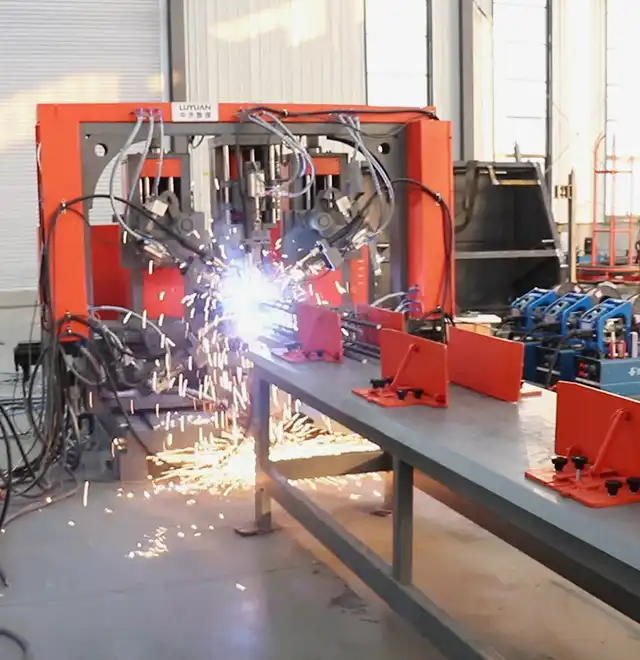
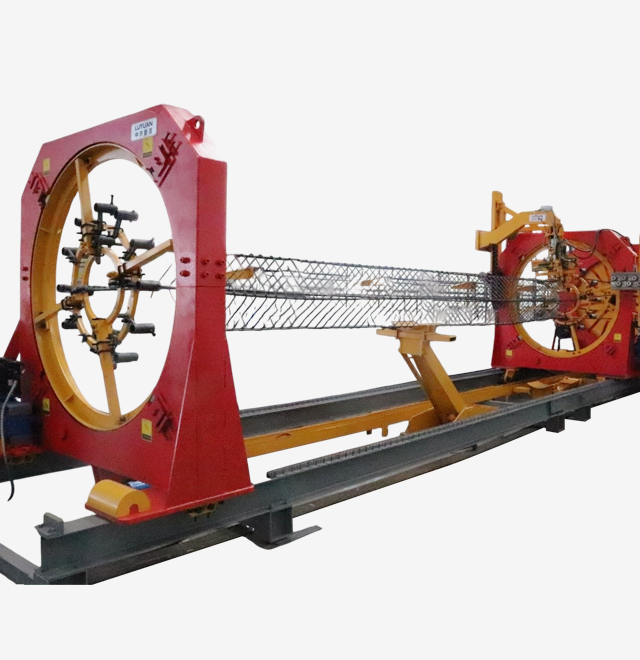
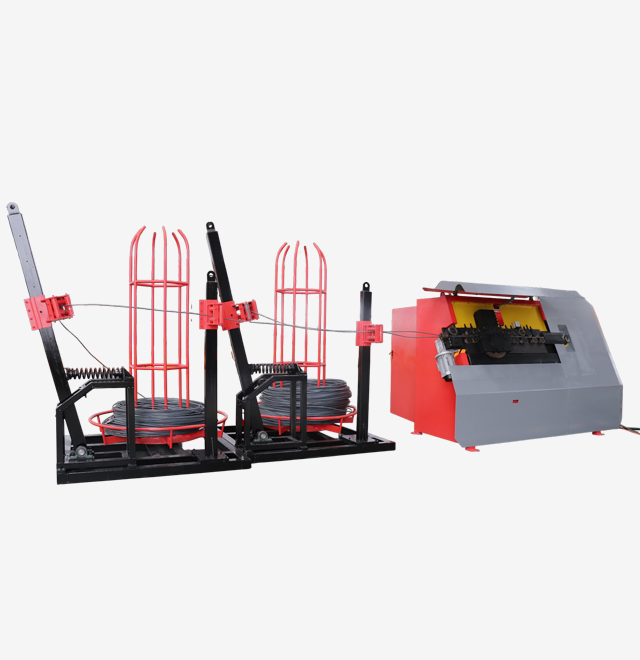
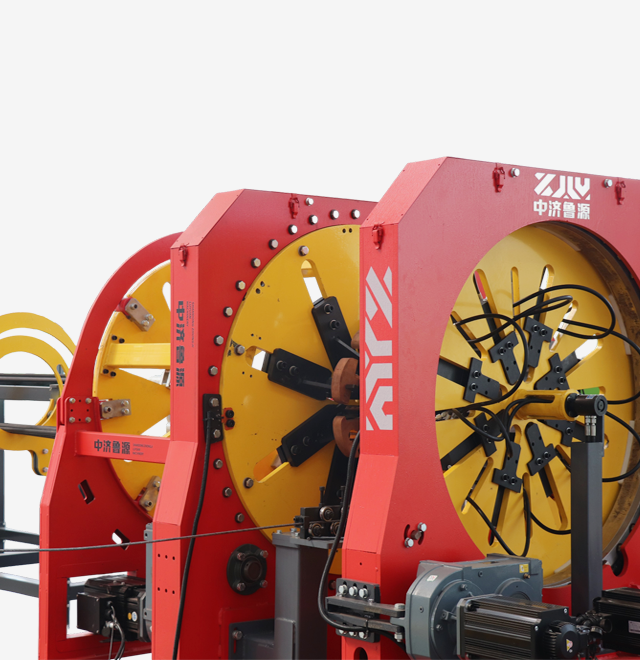
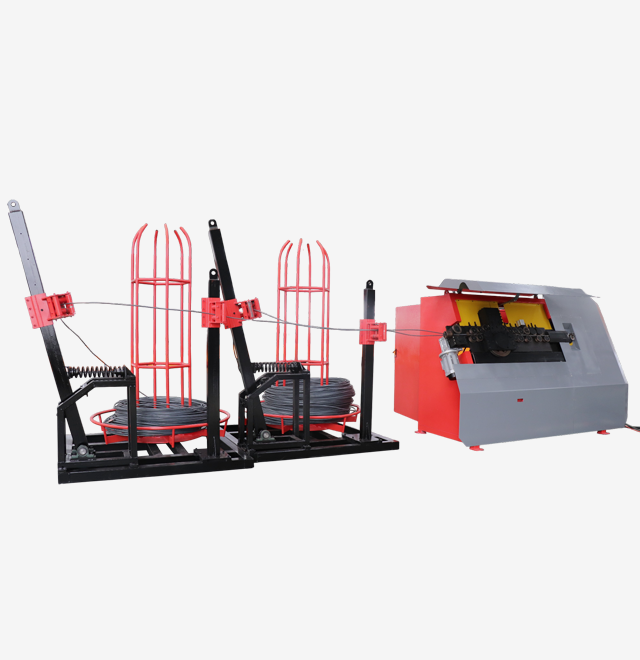
When building workers face rising labor costs and tight project deadlines, choosing the right automated rebar processing solution becomes essential. Shandong Zhongji Luyuan Machinery Co., Ltd., founded in 2016, is recognized as a reliable manufacturer of pile cage welding machines in China. Their Pile cage welding machine LYGH-800 transforms the way reinforced concrete pile cages are produced. This high-precision CNC-controlled system overcomes the limitations of manual welding: inconsistent quality, labor-intensive processes, and difficulty meeting the strict geometric tolerances required in modern construction. The machine automatically winds and welds spiral ribs onto the longitudinal main bars by integrating mechanical, electrical, and hydraulic systems. This ensures structural strength while accelerating production for a wide variety of projects, from highway bridges to metro lines.
Introduction
With the Pile cage welding machine LYGH-800, there is a big change in building technology that makes strengthening steel cages faster and better. As building projects across the US need to get done faster without lowering safety standards, procurement managers and project leaders are looking for automation partners they can trust. Working with big state-owned companies like China Railway and China State Construction and sending goods to almost 100 countries has helped Zhongji Luyuan build a strong image. This guide talks about important things that equipment managers, technical directors, and supply chain experts should think about. It describes the LYGH-800's main features, its benefits over other machines, how to buy it, and operational insights that help people make decisions that are in line with long-term project goals.
Understanding the LYGH-800 Pile Cage Welding Machine
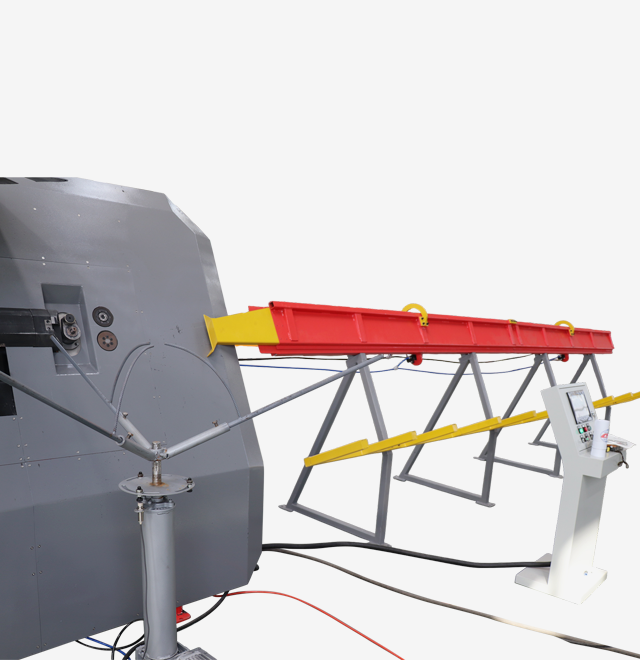
Advanced automation technology is built into the Pile cage welding machine LYGH-800 to speed up pile cage welding and get more accurate and regular results than human methods can. The PLC control and touch screen interface of this fully automatic system make it easy for users to set parameters and see real-time production data with little training.
Core Technical Specifications
The machine can work with rebar cages that are 350 mm to 800 mm in diameter. The main bar diameters can be changed from φ16mm to φ40mm, and the spiral bar diameters can be changed from φ6mm to φ12mm. As normal, cages can be up to 12 meters long, but they can be made longer if needed. The two-gun automatic welding system on the side makes sure that the weld goes through all parts evenly, and it keeps a pass rate of over 99.8% on load-bearing links. The equipment needs 380V three-phase power at 50Hz and uses a total of 60 KW, with 30 KW set aside for welding. The pressure of the hydraulics stays at -16 MPa, and the pressure of the air source for automatic welding stays at 0.8 MPa.
Operational Efficiency and Labor Savings
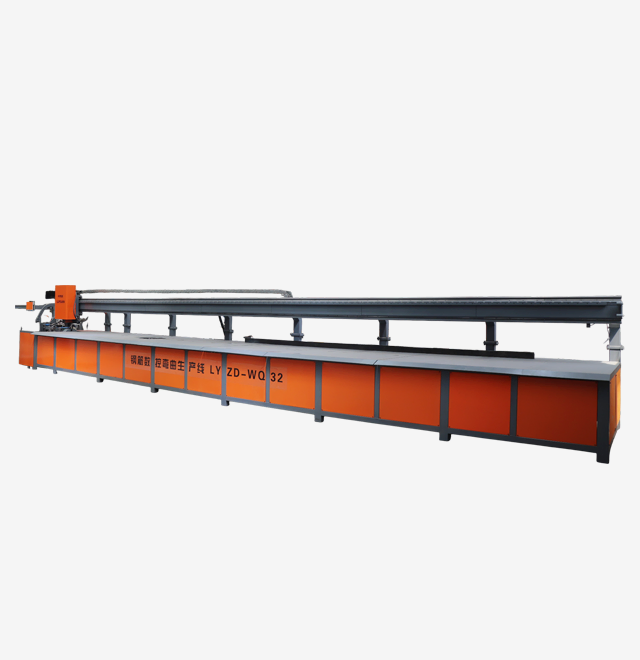
The production rate is eight parts per 10-hour shift, and each section is 12 meters long. This output is much higher than what hand-welding teams can do in the same amount of time, which is usually only two to three cages. The machine only needs two operators to work at full capacity. This makes it much less reliant on skilled welders, whose supply and wages are steadily rising in the building industry. The small size (28m × 5m) makes it possible to install in fabrication yards with limited room or on-site workshops, which is what big infrastructure projects need. Equipment managers like how quickly new operators learn how to use the equipment. It only takes three days for new operators to become skilled, while hand welding techniques take weeks of training.
Quality Control and Precision
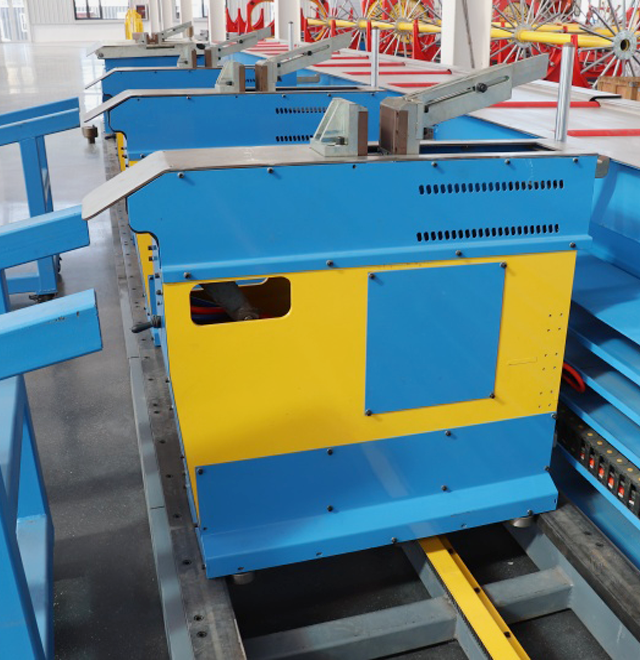
Dimensional accuracy tests show that the deviations in diameter and pitch stay within ±2mm of the inputs that were set. This meets the strict engineering standards needed for buildings that can withstand earthquakes. Stress tests are done on the PLC logic system all the time to make sure that the software doesn't slow down during fast production runs. Ultrasonic weld joint integrity tests make sure that every link meets load-bearing standards. This cuts down on the waste of materials and extra work that comes with doing things by hand. Heavy-duty manganese steel is used to make the high-strength steel frame, which keeps the structure stable during long production runs. High-conductivity copper electrodes make sure that the weld quality stays the same for all types of rebar.
LYGH-800 vs Other Pile Cage Welding Machines: A Rational Choice Approach
When making a purchase choice, you need to compare automation level, dependability, and return on investment in a fair way. The Pile cage welding machine LYGH-800 stands out because it has a number of measured benefits that directly address problems that equipment managers and project directors have pointed out.
Superior Automation and User Interface
Competing models often need to be adjusted by hand in the middle of production or don't have easy-to-use controls, which can cause mistakes and downtime for operators. The PLC touch screen interface on the LYGH-800 lets you change the winding speed and pitch density in real time without stopping production. Technical directors like this flexibility because it lets them make changes to project specs or work with different types of rebar during the same shift. The frequency conversion dual-drive system keeps the rotation stable even when working with big rebar sections. This means that the machine doesn't have to deal with vibration problems like some other machines do.
Cost-Effectiveness and Return on Investment
Even though the original investment in tools is a big one, the LYGH-800 quickly pays for itself by cutting down on labor costs and increasing throughput. Operations managers say that investments in medium-sized projects are recouped in 18 to 24 months, while competing systems that need more care take 36 months or longer. Optimizing energy use lowers running costs; machines with the same capacity that use 80 KW or more need a lot more power than this 60 KW machine. Because the design is stable, there aren't many failures. In fact, many systems have been up and running for three years without replacing any major parts.
Proven Performance Across Project Types
Real-world uses show that they can be used in a variety of tough conditions. During the building of a high-speed train bridge in Southeast Asia, the system made cages with no change in spiral pitch, which was necessary for getting approvals for their seismic resistance. The machine's combined design helped subway projects in crowded cities by letting it be set up quickly and produce a lot of diaphragm walls when other options were limited by space. Marine engineers who work on coastal infrastructure say that the machine can handle epoxy-coated rebar without hurting the protective coats, which keeps the deep weld penetration needed for corrosion-resistant piles. These well-documented case studies give procurement professionals confidence in how well the technology works in a range of working settings.
Procurement Guide: How to Buy LYGH-800 Pile Cage Welding Machines
To make sure that global procurement processes are real, prices are fair, and support infrastructure is solid, there must be clear paths. Zhongji Luyuan has set up clear ways for buyers to buy things that meet their different wants, including how to buy a Pile cage welding machine LYGH-800s.
Direct Factory Sales and Authorized Distribution
Pile cage welding machine LYGH-800 is available through Zhongji Luyuan’s plant sales teams, which buyers can contact directly or through approved distributors in certain regions. Direct contact allows you to make project-specific adjustments, such as extending the cage length or using rebar outside the standard diameter range. Authorized distributors provide local-language support, faster shipping to established markets, and access to complete product catalogs and detailed English documentation.
Pricing Structure and Payment Terms
The cost of buying equipment is based on how well it is built and how advanced its automation features are. The prices are clear and take into account requests for customization. Large builders who are working on a lot of different projects or rebar processing centers that are growing can save money by ordering in bulk. Payment terms are in line with international business-to-business standards. They include letter of credit agreements and payment plans that are broken up into stages based on delivery goals and commissioning completion. Supplier chain managers like the simple quote process that includes thorough breakdowns of how much the equipment costs, how it will be shipped, how it will be installed, and what the insurance covers.
Warranty and After-Sales Support
Comprehensive warranty coverage guards against flaws in the manufacturing process and failed parts during the first few months of use. Zhongji Luyuan offers quick technical help via email. Their engineering staff can fix problems online or set up on-site service visits when needed. Critical parts are kept in stock at regional service centers so that there is little downtime when spare parts are needed. There are many ways to get training, such as through detailed installation instructions, video lessons, and hands-on training by plant workers during the startup of equipment.
Technical and Operational Insights from the LYGH-800 Manufacturer
Simple methods are used for installation and setup so that they can be done quickly. The manufacturer of the Pile cage welding machine LYGH-800 gives detailed instructions on how to prepare the site, including what kind of base is needed, how to connect the power supply, and how much space is needed between things. Expert training materials help operators get better faster. These include hands-on lessons that cover setting PLCs, adjusting welding parameters, doing regular maintenance, and fixing common problems.
Quality Certifications and Manufacturing Standards
ISO9001 quality management approval and following JB/T 5000 standards for heavy tools show that Zhongji Luyuan is dedicated to quality. Products have the CE safety standards needed for foreign building sites, which ensure they follow safety rules for the workplace. The company has 50 million yuan in listed capital, which allows it to keep investing in manufacturing and making products better based on feedback from projects around the world.
Long-Term Partnership and Technical Evolution
Pile cage welding machine LYGH-800 is designed with the customer in mind, and the manufacturer continues to provide expert support even after the initial delivery, adjusting assistance as project requirements evolve. As construction techniques advance and the demand for smart manufacturing increases, Zhongji Luyuan invests in research and development to enhance automation, reduce energy consumption, and implement digital management systems that allow operations managers to monitor factory activities. This commitment to innovation ensures that buyers of LYGH-800 tools today can take advantage of future upgrades and technological improvements.
Maximizing Value: Future Prospects and Industry Trends
Automation is still changing the way pile cages are made, fixing problems that human methods can't fix. With the Pile cage welding machine LYGH-800, contractors will be at the center of this change, and efficiency, quality, and cost control will all improve.
Addressing Labor Shortages and Skill Gaps
North American construction sectors are always struggling to find trained workers, and it's getting harder and harder to hire and keep experienced welders. Automated systems make it less important to have specific skills while still keeping high-quality standards. When making production schedules, project managers no longer have to worry about how many workers are available, which gives them more scheduling freedom. The requirement for a single operator frees up trained workers to do supervisory work or difficult jobs that still need human help.
Environmental Responsibility and Energy Efficiency
Using less energy is in line with the growing focus on environmentally friendly building methods. When operations use less power, their carbon emissions are smaller, which helps companies meet their environmental goals and get green building approvals. Using accurate manufacturing techniques to cut down on material waste, rejects, and rework is good for the environment because it saves resources.
Scalability and Integrating New Technologies
The LYGH-800 fits with long-term strategy planning and can be expanded as project numbers rise. The PLC control design can be easily connected to larger building management systems in the future. This will allow data to be shared for managing inventory, planning production, and keeping records of quality. As intelligent manufacturing becomes normal, contractors who adopt it early will be able to compete by showing off their technological skills in a way that makes their bids for big building projects stand out.
Conclusion
Infrastructure workers, bridge builders, and rebar processing centers that want to boost productivity while cutting down on labor costs will find the Pile cage welding machine LYGH-800 to be a valuable tool. This equipment meets important buying criteria like speed, dependability, accuracy, and return on investment. It does this by using tried-and-true automation technology, being well-built, and coming with full maker support. Zhongji Luyuan has a good image, which is shown by its partnerships with large construction companies and successful foreign deployments. This gives buyers trust. As the need for building projects grows and quality standards get higher, automated production solutions go from being a competitive advantage to a practical necessity.
FAQ
What is the typical production output for the LYGH-800?
Every 10 hours, the Pile cage welding machine LYGH-800 makes eight 12-meter-long cage pieces. This means that about 96 meters of finished cage length are made every day, which is a lot more than what can be done by hand welding. Production rates depend on the width of the cage, the needs for the rebar, and the required spiral spacing.
What site requirements are necessary for installation?
The equipment requires an area that is 28m × 5m, with enough space for adding materials and taking away finished goods. The power source needs to offer a steady 380V three-phase current at 50Hz. For automatic welding to work, you need a source of compressed air at 0.8 MPa. During the pre-installation meeting, the maker gives thorough information about the foundation and how to connect utilities.
Does Zhongji Luyuan provide international technical support?
Yes, full after-sales help is available to clients in other countries through remote troubleshooting, the handling of extra parts, and, if necessary, on-site service planning. Technical staff talk to each other in English, making sure that operating questions or equipment problems are fixed quickly.
Partner With a Trusted Pile Cage Welding Machine LYGH-800 Manufacturer
Zhongji Luyuan wants equipment managers, procurement directors, and project engineers to look into how the Pile cage welding machine LYGH-800 changes the way building projects make rebar cages. Our expert team offers in-depth talks that cover specific project needs, customization options, and ROI estimates that are made to fit your business. Contact our sales team at sales2@shandongluyuan.com to get full product specifications, case study paperwork, or to set up equipment demos. With eight years of manufacturing quality and a track record of success in highway construction, rail transit, and business building projects, we offer smart processing solutions backed by quick support. To build a long-lasting relationship and achieve operational success, find out why companies all over the world choose Zhongji Luyuan as their pile cage welding machine provider.
References
1. Chen, Wei, and Liu, Xiaoming. "Automation Technologies in Reinforced Concrete Construction: A Comparative Analysis." Journal of Construction Engineering and Management, Vol. 148, No. 3, 2022.
2. American Concrete Institute. "Guide to Manufacturing Reinforcing Steel Cages for Drilled Shafts." ACI 336.3R-18, Farmington Hills, MI, 2018.
3. Zhang, Jun. "Quality Control Standards for Automated Rebar Processing Equipment in Infrastructure Projects." International Journal of Civil Engineering, Vol. 20, No. 7, 2021.
4. National Association of Reinforcing Steel Contractors. "Best Practices for Mechanized Cage Fabrication in Bridge Construction." Technical Report NARSC-2020-14, Chicago, IL, 2020.
5. Wang, Hui, and Kumar, Rajesh. "Economic Analysis of Automation Investment in Construction Equipment: Case Studies from Global Infrastructure Projects." Engineering Economics Review, Vol. 15, No. 2, 2023.
6. Federal Highway Administration. "Innovations in Drilled Shaft Foundation Construction: Technology Transfer and Implementation." Publication No. FHWA-HRT-21-032, Washington, DC, 2021.